
Last updated November 15, 2026
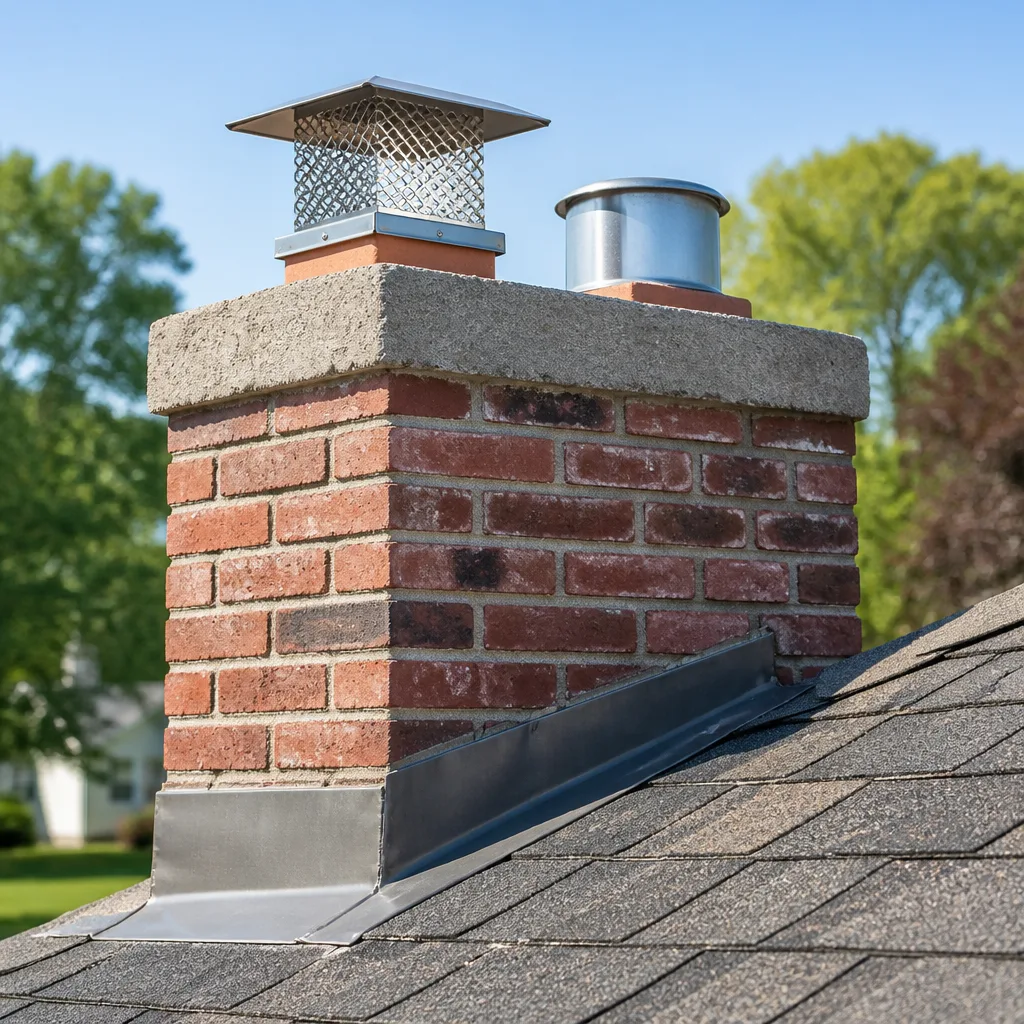 Sweep & inspection
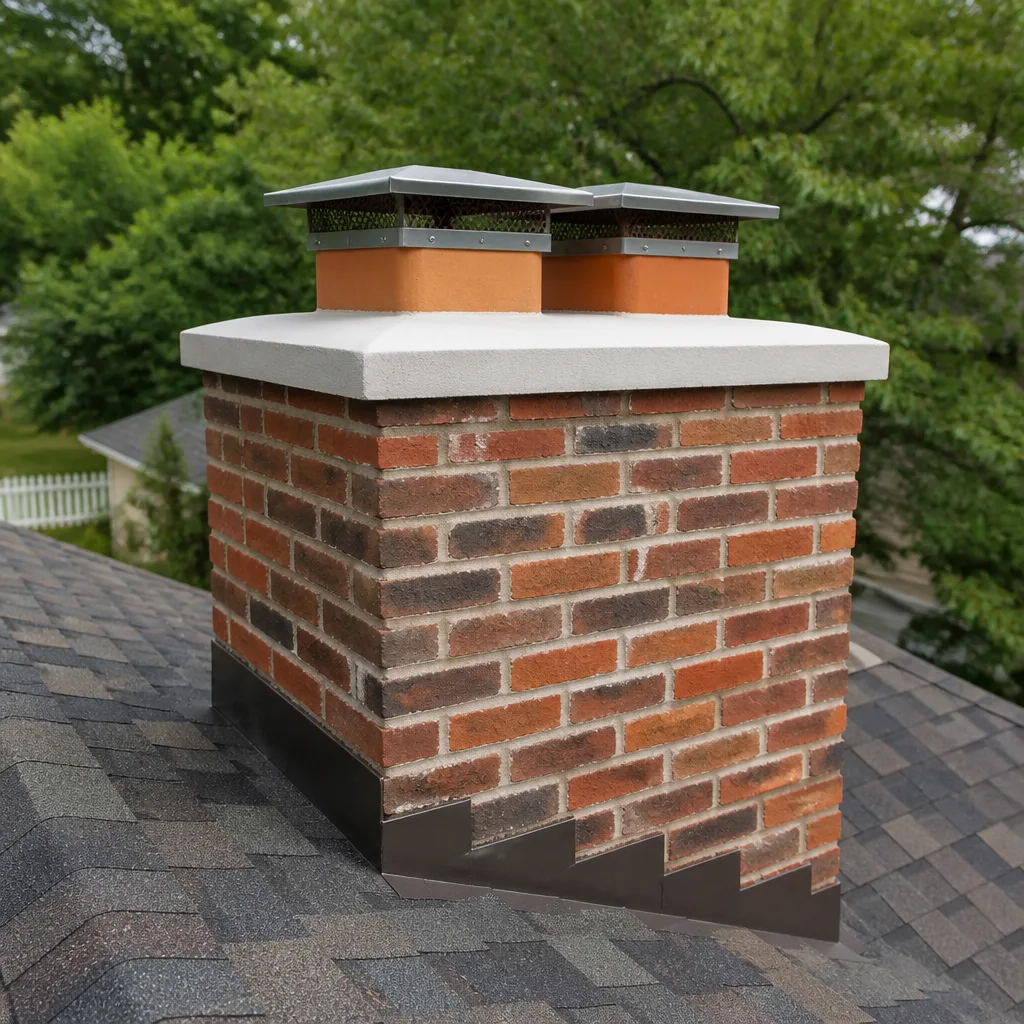 Caps & crowns
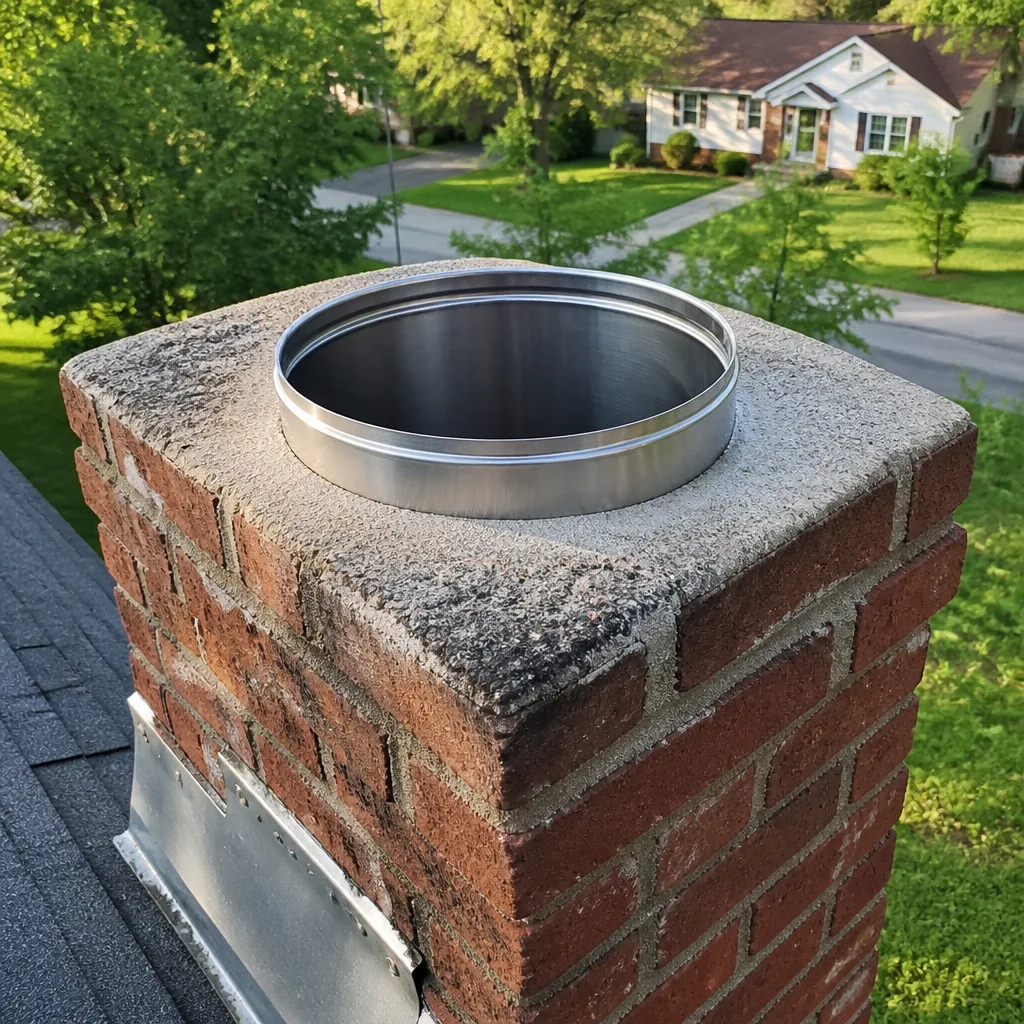 Flue relining
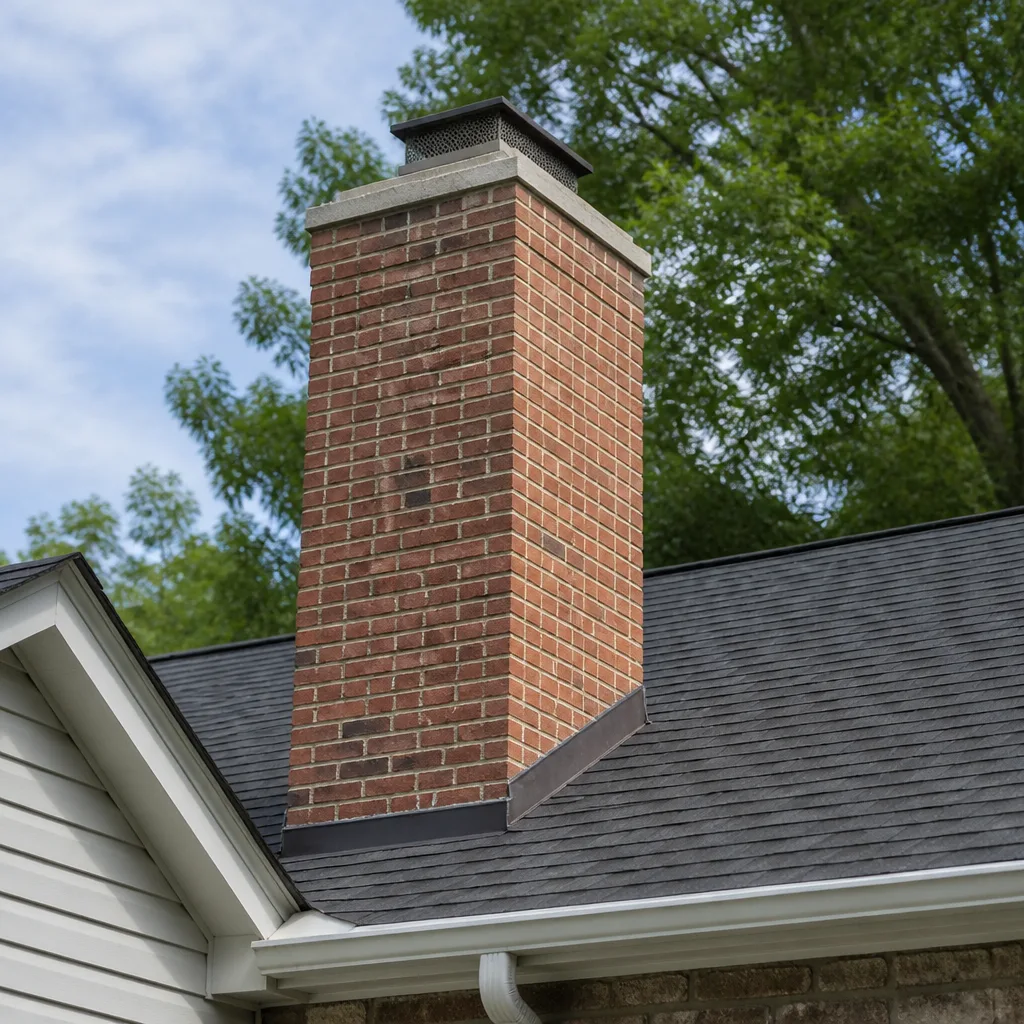 Masonry repair
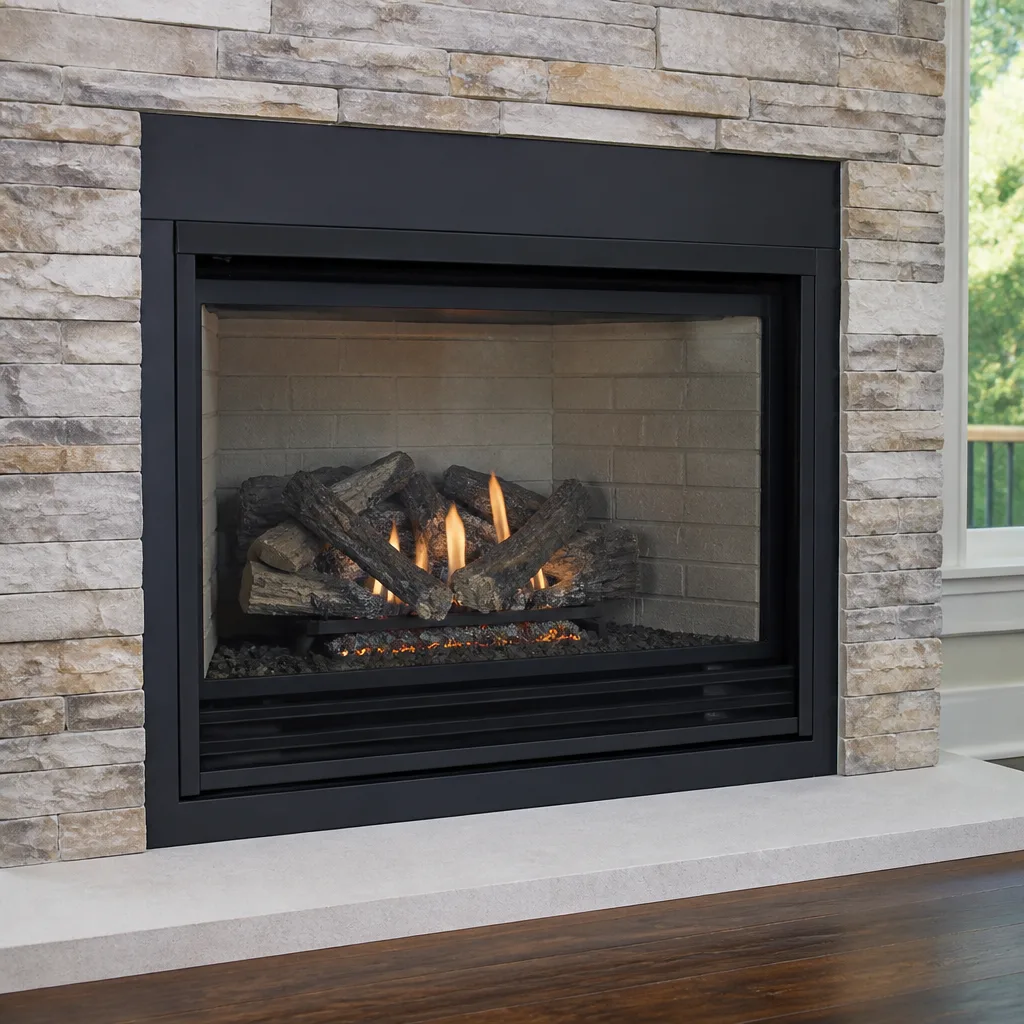 Gas fireplace service
Level 1 sweep and inspection to the NFPA 211 annual standard - flue, crown, cap, and flashing checked and photographed
Chimney sweep logs do not sweep chimneys. They loosen some creosote - which then falls where a brush and vacuum still have to collect it.
Chimney Cleaning Permits, Codes & Inspections in Albany, NY: What You Need to Know
Here’s the assumption that gets Albany homeowners into trouble: routine chimney sweeping needs no permit, so all chimney work must be permit-free. That’s wrong. The moment a job moves from removing creosote to replacing a flue liner, rebuilding a firebox, or installing a new cap and damper assembly, New York State code and your local building department enter the picture. Most contractors never mention it. If you’re planning work on a chimney in Albany this year, this guide walks through where the permit line actually sits, how inspections are classified under NFPA 211, what Albany County expects versus the state baseline, and how to collect paperwork that will satisfy an insurance adjuster today and a buyer’s attorney years from now.
Quick Answer
Routine chimney cleaning in Albany does not require a permit, but structural work – liner replacement, firebox or crown repair, and new cap or damper installation – generally does, and a building permit through the City of Albany or the relevant town is normally the contractor’s responsibility to pull, not yours. Any inspection tied to a real estate transaction in Albany should follow NFPA 211, which usually means a Level 2 inspection. The written inspection report, photos, and permit records are what protect you later, so insist on all three.
Styles & brands we work with
- Sweep & inspection
- Caps & crowns
- Flue relining
- Masonry repair
- Gas fireplace service
Table of Contents
- Where routine cleaning ends and permitted work begins
- What the New York State Residential Code says about chimneys
- How Albany County and Town of Guilderland interpret permit rules
- Level 1, 2, and 3 inspections under NFPA 211
- Which inspection is required when selling a home in Albany
- How to request documentation that satisfies insurers and buyers
- Contractor versus homeowner: who is on the hook
- Common mistakes to avoid
Where Does Routine Cleaning End and Permitted Work Begin?
Routine cleaning ends the moment the work stops being maintenance and starts changing the chimney’s structure, its venting path, or its fire-rated assembly. Sweeping removes creosote and soot from flues that are already built and code-compliant. That’s maintenance, and in Albany it doesn’t require a building permit. Replacing a flue liner, rebuilding a firebox, repairing or replacing a crown, installing a new cap and damper combination, or modifying how a wood stove or insert connects to the flue all cross the line into construction work.
The clearest way to see the boundary is to ask one question: does the work alter the chimney system itself, or does it clear what’s already there?
- No permit typically needed: a standard sweep, creosote removal, a Level 1 visual inspection, minor cap resealing, and routine maintenance on a system that hasn’t changed.
- Permit usually required: flue liner replacement or relining, firebox rebuilds, crown and masonry repair, new cap and damper assemblies, hearth extensions, and any change in the appliance venting setup.
- Ask your building department directly: a HeatShield flue resurfacing job or a DuraFlex flexible liner install often straddles the line depending on how the inspector sees it – treated as repair on some jobs, as new construction on others.
We’ve seen the assumption that “it’s just a liner, so nobody pulls a permit” cause real headaches in Albany. On a liner job, the permit is what documents that the installation met the manufacturer’s instructions and the applicable code. Without it, the paperwork trail ends the moment the contractor leaves your driveway, and everything after that is your word against a claims adjuster’s.
What the New York State Residential Code Says About Chimneys
The New York State Residential Code is where a chimney’s compliance is actually measured, and it’s the code most Albany-area building inspectors enforce on one- and two-family homes. It addresses clearances from combustibles, chimney height above the roofline, which liner materials are acceptable for which appliances, and how flue liners must be installed. The code itself is a technical document – most of what matters for a homeowner is how it gets applied on a specific job.
A few principles from the code come up again and again on Albany jobs:
- Chimneys must be lined. An unlined masonry chimney venting a wood appliance doesn’t meet code, and that’s true on an old Albany rowhouse just as it is on a 1990s suburban build.
- Liners must be continuous and sized for the appliance. Spliced or undersized liners are where a lot of older Albany chimneys fail inspection – and it’s usually not visible from the firebox.
- Clearances from combustibles must be maintained. On a masonry chimney with a wood frame nearby, that clearance to wood framing is a code item and a fire-safety item at the same time.
- Chimney height above the roof is specified. A chimney that ends too low on the roof can draft poorly and create a real carbon monoxide risk in a tight Albany home.
When we’re sizing a liner on an Albany job, this is why we start with a code check on the chimney as built, not just what fits inside the existing flue. A DuraFlex flexible liner is often the right answer precisely because it can follow an offset or irregular flue while still meeting the code’s continuous-liner requirement. The liner isn’t decorative hardware; it’s the part of the system a future inspector will look at first.
How Albany County and Town of Guilderland Interpret Permit Rules
New York State sets the baseline code, but the Authority Having Jurisdiction – the AHJ – is the building department that actually issues your permit, and its interpretation is what governs the job. In the Albany area that means the City of Albany’s building department for city addresses, and the Town of Guilderland (or whichever town your property sits in) for suburban addresses outside the city limits. The state code doesn’t change, but how each office reads “repair” versus “new work” does.
What we see in practice:
- City of Albany jobs on older rowhouse and pre-war stock tend to draw closer scrutiny on structural work – firebox rebuilds, crown repairs, and anything that touches the brick chimney chase. Permits get pulled more consistently for those, partly because the buildings next door share walls and the stakes for a structural failure are higher.
- Town of Guilderland jobs on newer suburban homes tend to focus on the liner and venting installation and how it was documented against the manufacturer’s instructions, not on the masonry of the chimney itself.
- Both offices generally treat a straight liner replacement as permittable work when it changes the venting configuration, even though the wording of the code section is the same.
- Neither office enforces NFPA 211 on its own. That’s a standard the inspection report follows; the building permit is a separate track.
The practical takeaway is simple: don’t assume that because one Albany-area department handled a similar job without a permit, the next one will too. Ask the office that actually covers your address, or ask us and we’ll tell you what we’ve seen for a job like yours. When we quote chimney repair that crosses into permitted work, the permit conversation comes up before the work is scheduled, not after.
Level 1, 2, and 3 Inspections Under NFPA 211 – What’s the Difference?
NFPA 211 classifies chimney inspections into three levels, and the classification matters because each one covers a different depth of the system. A Level 1 is the basic visual inspection. A Level 2 adds access to concealed areas – most commonly with a video camera – and is the standard when a property changes hands. A Level 3 is a diagnostic inspection that requires opening up part of the structure when there is a specific, suspected hazard the first two levels can’t resolve.
In plain terms:
- Level 1 Inspection: visual review of readily accessible portions of the chimney, firebox, flue, and connected appliance. Recommended annually. No tools beyond a flashlight, and no access to concealed spaces.
- Level 2 Inspection: everything in a Level 1, plus video camera access to the flue and inspection of accessible attics, crawlspaces, and basements. Required on a real estate transaction, after an operating malfunction, or after a chimney fire or other event that may have damaged the flue.
- Level 3 Inspection: everything in a Level 2, plus removal of parts of the building – chimney crown, wall panels, or additional components – to diagnose a specific concern. Undertaken only when a Level 2 has identified an access-restricted concern that needs to be resolved.
For most Albany homeowners, the practical outcome is this: an annual Level 1 for ongoing maintenance, and a Level 2 any time the home is being sold, a new appliance is being installed, or something about the system changes. That’s the level a buyer’s attorney is going to expect, and it’s the level that produces the photo documentation most insurance carriers want on file.
Which Inspection Is Required When Selling a Home in Albany?
A Level 2 inspection is the standard the industry follows when an Albany home is sold, and it’s what a buyer’s attorney, a lender, and most insurance carriers are going to want to see. It’s not the law in New York State in the sense that the code mandates a chimney inspection as a condition of closing – but practically, a purchase contract or a lender’s underwriting will usually require documentation, and the Level 2 report is the form of documentation that fits.
What a Level 2 gives you on a sale:
- Video of the flue interior. Photos and video of what the camera sees, not just a written description.
- Record of accessible concealed areas. Attic, crawlspace, and basement views, documented.
- A clear record of the appliance type and venting. Wood fireplace, gas insert, wood stove, or other – as it actually sits.
- Deficiencies tied to code language. Rather than “the flue needs work,” a report ties findings to specific code requirements.
In our experience, the sale process is where unpermitted work causes the most expensive surprises. An Albany buyer’s inspector who sees a recently replaced liner with no permit on record will flag it, and the seller ends up pulling a retroactive permit or negotiating a price reduction. If you’re selling, get the inspection done before the listing goes live so you have the report in hand. If you’re buying, insist on a Level 2 as a contract contingency, and don’t accept a seller’s word that the chimney “was just inspected” without the report.
How Do You Request Documentation That Satisfies Insurers and Buyers?
You ask for three things in writing: the inspection report, the photo and video record, and any permit documentation tied to prior work. All three together create the paper trail an insurance carrier or a buyer’s attorney will want to review, and each one serves a slightly different purpose.
Here’s the sequence that works:
- Request the written inspection report – the narrative findings tied to the applicable code and NFPA standard, not just a checkbox form.
- Request the photo and video file – a usable copy of what the camera saw, not a summary description. Adjusters want to see the flue.
- Request the permit history – for any structural work done on the chimney. If work was done, ask for the permit number and the final inspection record.
- File your copies – keep the report, video, and permit records together with the home’s other maintenance records. You’ll want them at claim time or at sale.
- Ask for the code section referenced – a report that names the specific code or standard provision for each deficiency is what holds up in a claim review or a sale negotiation.
That last step is the one most homeowners never think to ask for, and it’s the one that turns a report into evidence. A statement like “liner needs replacing” is a recommendation. A statement that ties a degraded liner to a specific code requirement, with video of the flue, is a documented condition. We produce both on every HeatShield or DuraFlex installation, because the same report that earns your insurance carrier’s trust today is the one a future Albany buyer will accept as proof that the work was done properly.
Contractor Versus Homeowner: Who’s Actually on the Hook?
Under New York State practice, pulling the building permit for permitted chimney work is the contractor’s responsibility – not the homeowner’s – and the permit should be in the contractor’s name as the party performing the work. When a contractor skips the permit, the liability doesn’t disappear. It rebounds onto the property owner, because the homeowner is the party who owns the code violation and is the party who’s going to be answering to an adjuster, a buyer, or a building inspector later.
Here’s how the exposure actually plays out:
- Fire or carbon monoxide claim: an insurance carrier reviewing a claim on a recently replaced liner has an obvious defense if the installation was unpermitted – the work wasn’t inspected, so the carrier can argue it wasn’t code-compliant. That’s the homeowner’s problem, not the contractor’s.
- Sale transaction: unpermitted structural work discovered during a buyer’s inspection becomes a disclosure issue and a price-negotiation issue (or worse), and the seller absorbs the cost.
- Retroactive permit: an owner who discovers unpermitted work later has to pull the permit retroactively, which often means opening up portions of the chimney to prove code compliance.
- Future repair: a contractor who sees evidence of unpermitted prior work can’t honestly sign off on it, and the current owner ends up paying to redo it to code.
So the practical answer is this: expect the contractor to pull permits, verify it in writing, and treat a contractor who shrugs at the question as a red flag. If a flue liner is being replaced on an Albany chimney, the correct sequence is: permit pulled before work, installation documented against the manufacturer’s instructions, final inspection on record, all paperwork delivered to you. From the firebox to the crown, that’s the standard we hold to on our own jobs. It’s also why we plan a chimney sweep as a separate line item from a structural job – the sweep is preventative, the repair is permitted work, and the paperwork reflects the difference.
How Often Should a Chimney in Albany Be Cleaned and Inspected?
An annual inspection and a cleaning when the sweep finds enough creosote to warrant it is the standard in Albany, and the seasonal reality here makes that timing specific. Albany’s winters are long and cold, the wood-burning season stretches from late fall into early spring, and the fireplace gets more use than it would in a milder climate. That adds up to more creosote accumulation per season on an actively used chimney than most homeowners expect.
Two rules of thumb we use on Albany jobs:
- Clean when the creosote calls for it, not on a fixed calendar. A lightly used gas insert and a heavily used open wood fireplace in the same Albany neighborhood don’t need the same schedule. Above a quarter inch of creosote is roughly the threshold where a sweep becomes necessary.
- Inspect at least annually. Even a chimney that doesn’t need cleaning this year benefits from a Level 1 look at the cap, crown, and flashing, because the freeze-thaw cycle in Albany works on masonry through the winter and small cracks widen fast.
The climate detail worth knowing: masonry chimneys in Albany go through repeated freeze-thaw over the heating season, and the crown and the mortar joints at the chimney top are where that shows up first. A cracked crown catches water, the water freezes, and the crack widens. That’s a repair issue, not a cleaning issue, and it’s why the annual inspection catches problems the sweep alone won’t. When the inspection does show a crown or firebox problem that needs permitted work, that’s a conversation before the season starts, not after it.
Common Mistakes to Avoid
- Assuming any liner replacement is permit-free. A replaced liner is a change to the venting configuration, and most Albany-area building departments want a permit on it. Ask before the work is scheduled.
- Letting the contractor leave without permitting documentation in hand. If the permit was pulled, get the permit number and the final inspection record. If it wasn’t, ask why in writing before you pay.
- Accepting a verbal “it’s fine” instead of a written report. On an Albany home sale, a buyer’s attorney is going to want a real Level 2 report with video. A contractor’s word doesn’t travel.
- Skipping the Level 2 because the Level 1 was clean. These cover different ground. A Level 1 doesn’t access concealed areas, and the concealed areas are where problems hide.
- Treating a masonry repair as maintenance. A rebuilt firebox or crown repair is construction work in Albany County and in the Town of Guilderland, and it should be permitted and inspected.
- Waiting until the first cold week to schedule. Albany’s burning season starts early, and by the time you want the fire on, the good inspection slots have been taken for weeks. Book before the season, not during it.
- Assuming the contractor knows your AHJ’s interpretation. City of Albany and Town of Guilderland don’t read every code section the same way. Ask which office covers your address, and ask what their process has been.
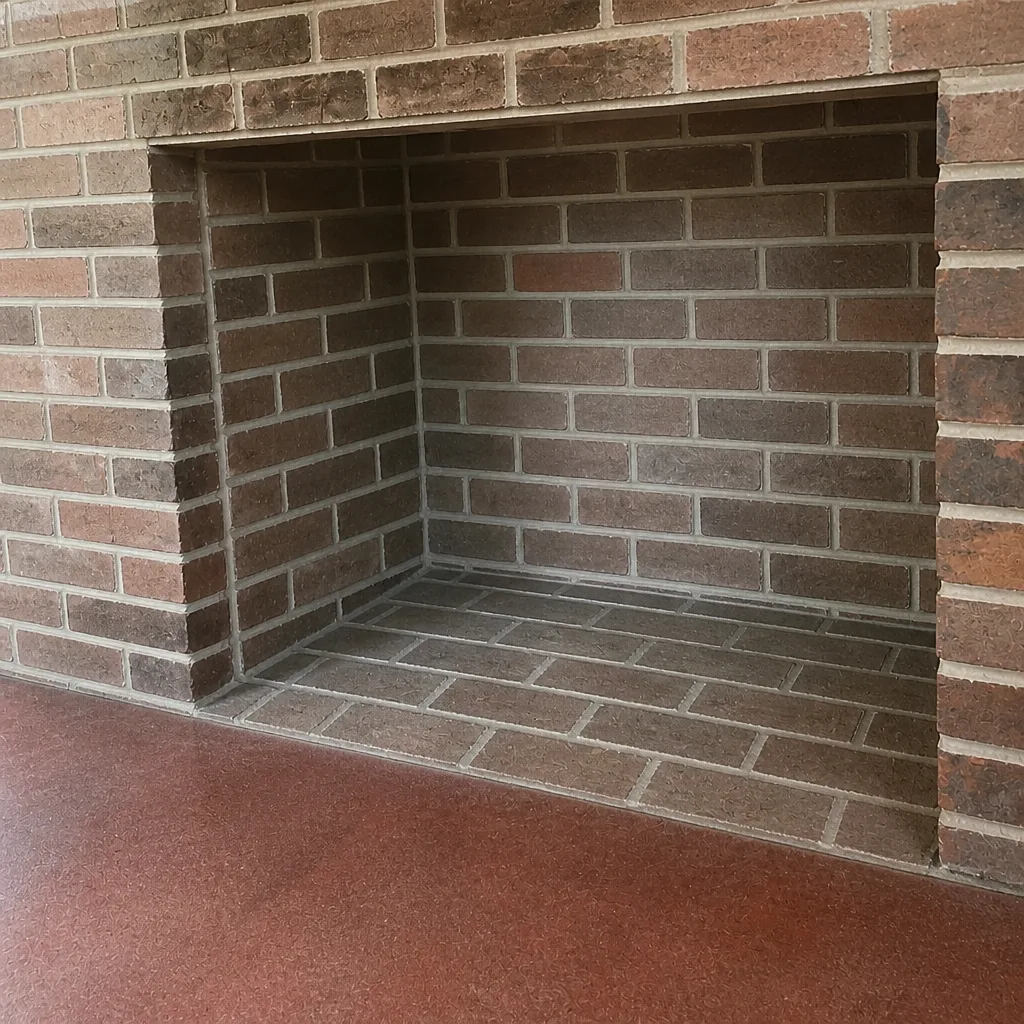
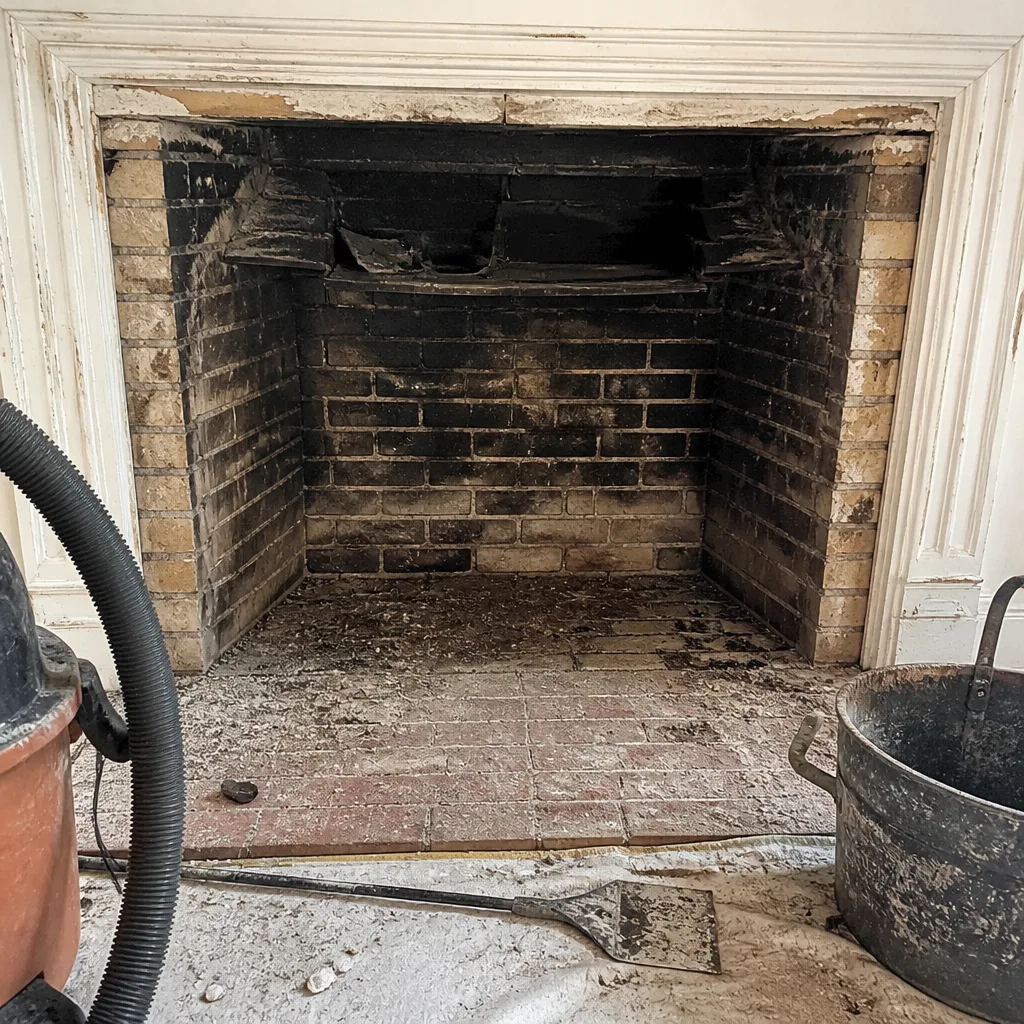
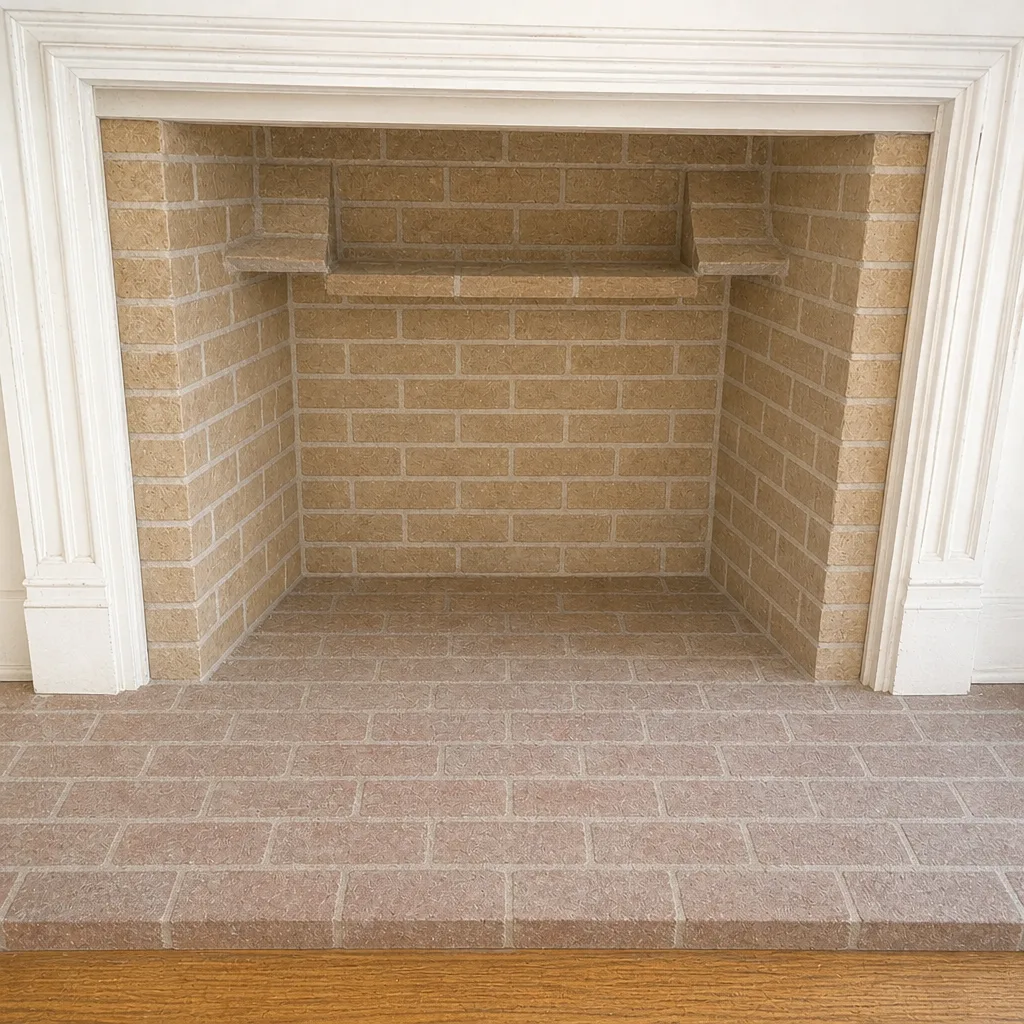
See the difference
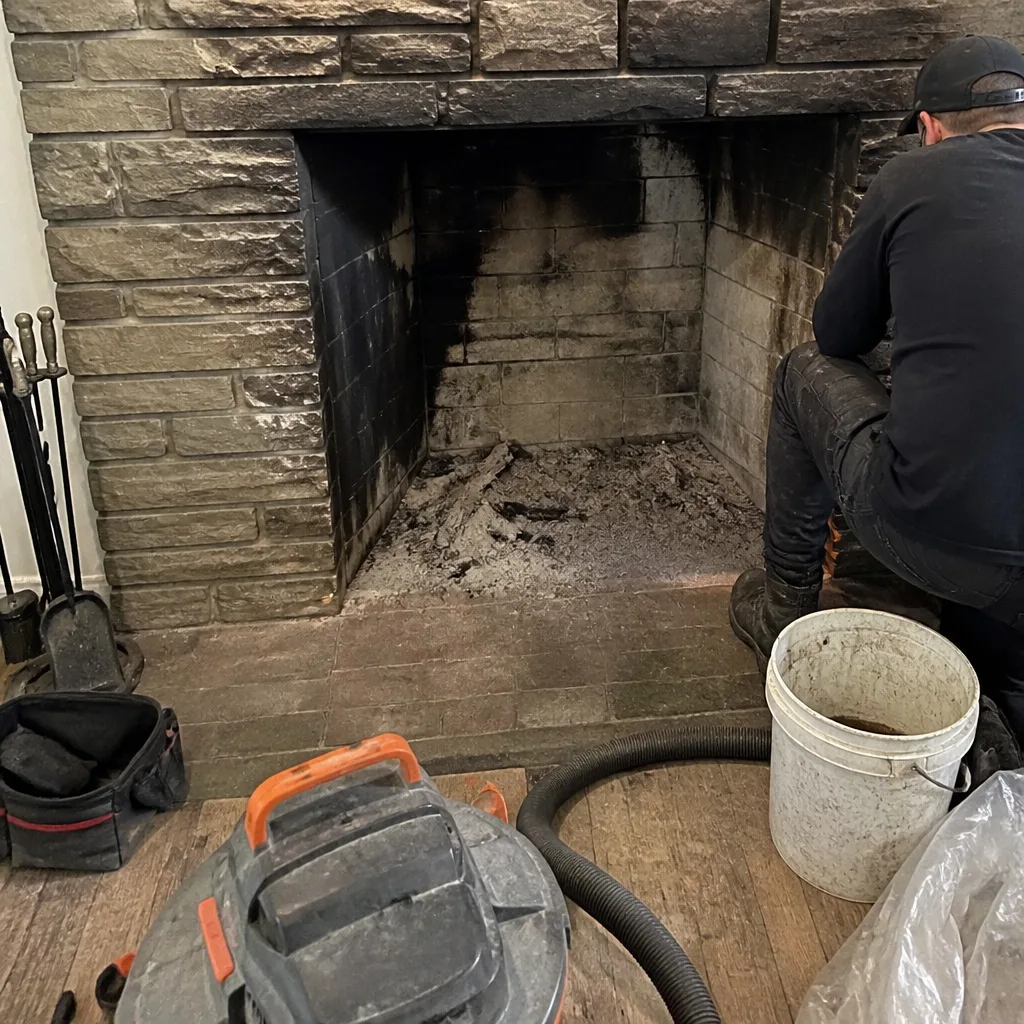 Before
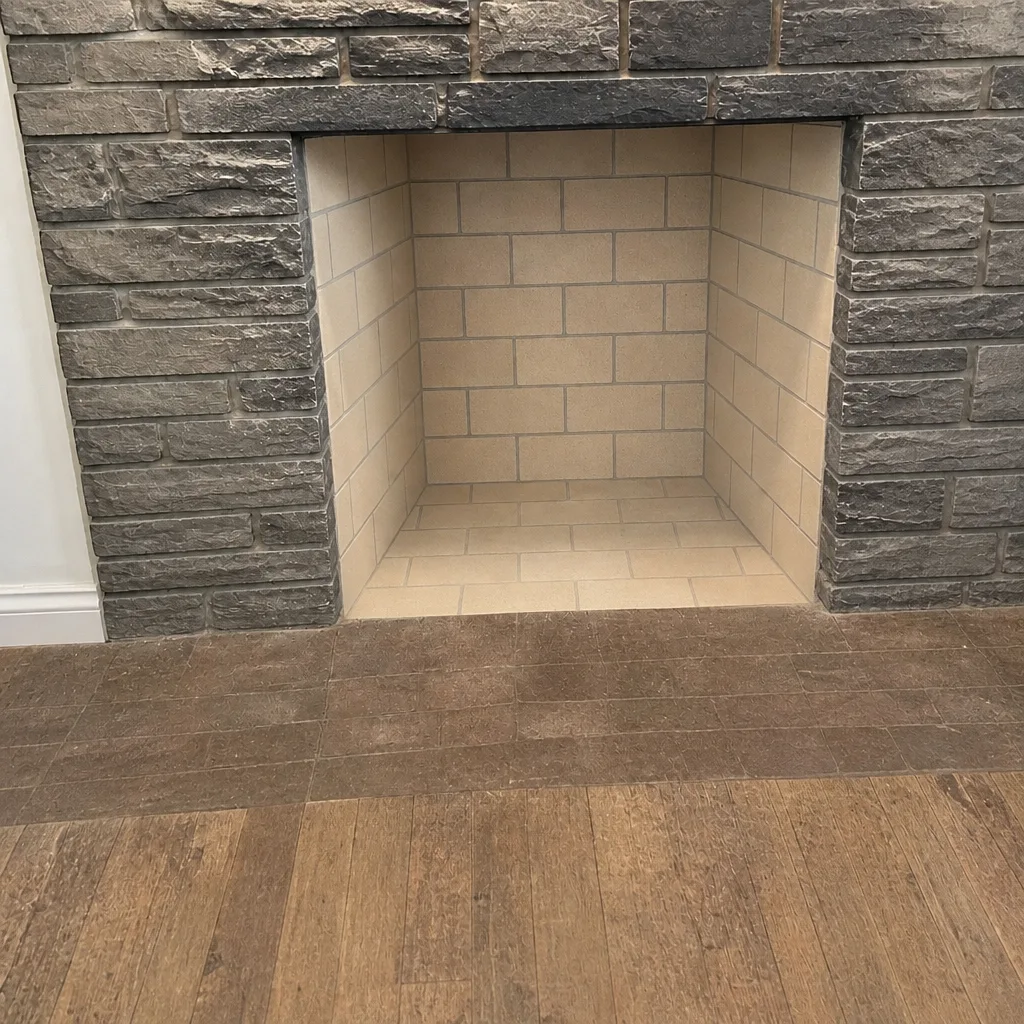 After
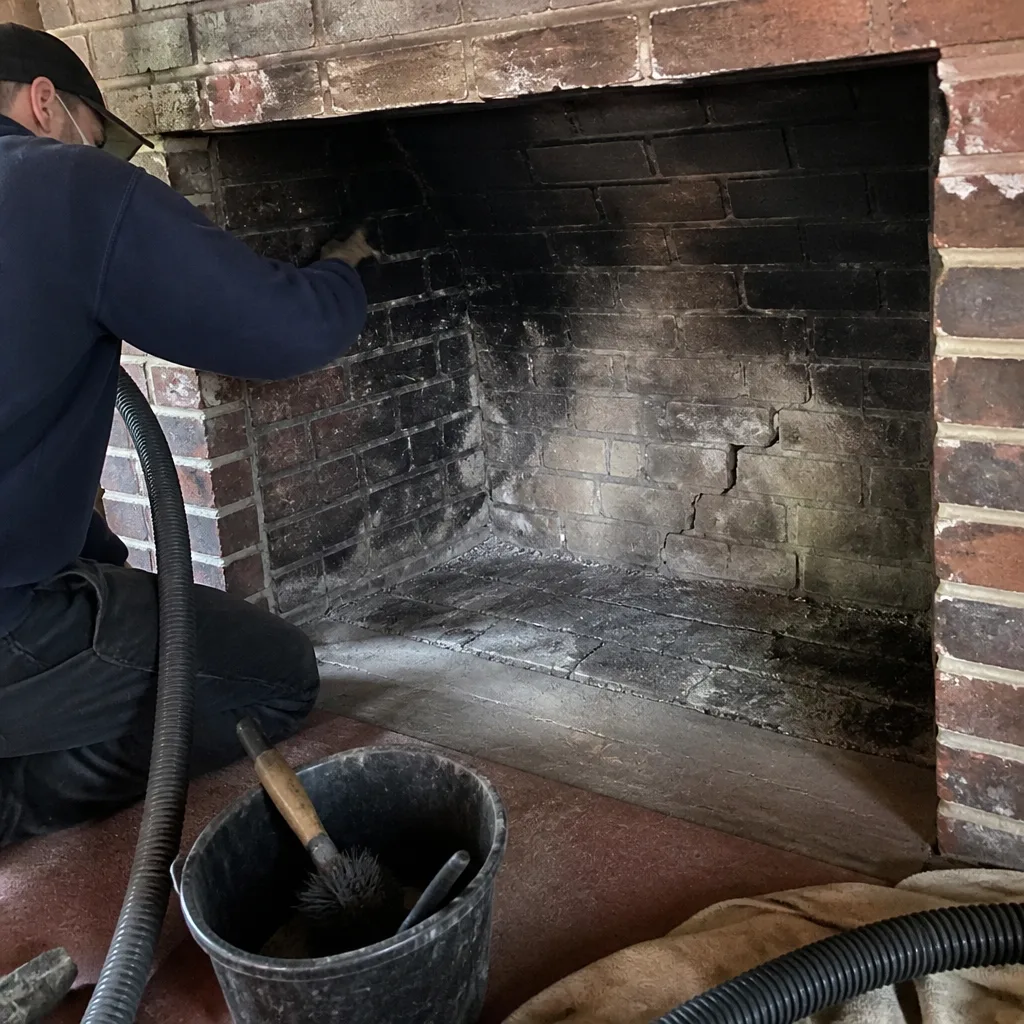 Before
 After
 Before
 After
When to Call a Professional
Some chimney work is a maintenance chore, and some of it is not safe or sensible to handle on your own. Call a professional for a Level 2 or Level 3 inspection, for any liner or firebox work, for a cap or damper installation, for a masonry repair anywhere on the chimney, and any time the sweep finds more than a quarter inch of creosote in the flue. Two of those deserve a specific warning: flue liners and firebox repairs involve the barriers between combustion gases and the wood framing of your Albany home, and carbon monoxide and chimney fire risk are real consequences of getting them wrong. A trained technician evaluates and installs; a homeowner inspecting their own liner with a flashlight is guessing.
One call covers sweep, inspection, and repair – no runaround. Chimney Sweep Albany offers free estimates in Albany – call (866) 650-9028 for an exact quote. Our technicians have up to experience, and we plan the permit path with you before any permitted work is scheduled. You can also start with a chimney sweep Albany visit and let the inspection tell you what, if anything, the chimney actually needs.
Frequently Asked Questions
No – routine chimney cleaning does not require a permit in Albany. A standard sweep and a Level 1 visual inspection are maintenance, not construction, and neither triggers a permit through the City of Albany or any town building department. The permit question only applies once the work turns structural: a liner replacement, firebox rebuild, crown repair, or new cap and damper installation. If the sweeping uncovers something that needs repair, ask the contractor whether that specific repair requires a permit before scheduling it – the answer depends on the scope and on which building department covers your address. Call (866) 650-9028 for an exact quote – estimates are free.
A Level 2 inspection under NFPA 211 is the standard expected when an Albany home is sold. It’s not a state statute that mandates the inspection as a condition of closing, but purchase contracts, lenders, and buyer’s attorneys routinely call for documentation that only a Level 2 produces: video of the flue interior, photos of accessible concealed areas, and a written report tied to the applicable code. If you’re the seller, getting the Level 2 done before listing avoids surprises. If you’re the buyer, make the Level 2 a contract contingency and ask for the actual report, not a summary. Call (866) 650-9028 to schedule one – estimates are free.
Pulling the permit for permitted chimney work is the contractor’s responsibility under New York State practice, and the permit should be in the contractor’s name as the party doing the work. The liability, though, stays on the property owner if the work was done without a permit. An insurance carrier reviewing a claim on a recently replaced liner can deny coverage on the grounds that the work was never inspected, and an Albany buyer’s inspector will flag unpermitted work during a sale. Ask the contractor in writing whether a permit is being pulled, and get the permit number and final inspection record when the work is done. Call (866) 650-9028 for a permit review on a planned job.
The cost depends on what was done and what the building department requires to sign off on it. A retroactive permit on a liner that was installed to the manufacturer’s instructions but never permitted may only require an inspection and the paperwork fee. A retroactive permit on a firebox rebuild or a structural repair that has to be opened up to prove code compliance can run into a much larger job, because the work has to be visible for the inspection. We quote these per job by written estimate after we’ve seen the chimney and the prior work – no phone number, no guessing. Call (866) 650-9028 for an exact quote – estimates are free.
Inspect annually and clean when the creosote level calls for it, which for most actively used wood-burning chimneys in Albany works out to about once a year. Albany’s long heating season puts more creosote on the flue per season than a milder climate would. Above roughly a quarter inch of creosote, a sweep is necessary. The annual Level 1 inspection is worth doing even in years the sweep isn’t – it catches crown cracks and mortar deterioration before the freeze-thaw cycle turns a small repair into a larger one. Call (866) 650-9028 for an exact quote – estimates are free.
A Level 1 is a visual inspection of readily accessible portions of the chimney, recommended annually. A Level 2 adds video camera access to the flue and inspection of accessible concealed areas such as attics and crawlspaces, and it’s the standard when a home sells or an appliance changes. A Level 3 is a diagnostic inspection that requires opening up part of the building when a Level 2 identifies a specific hazard that needs access to resolve. The levels build on each other: each one includes everything in the level before it, plus more. Most Albany homeowners need a Level 1 for ongoing maintenance and a Level 2 at sale. Call (866) 650-9028 to schedule the right level for your situation.
The Bottom Line
Routine chimney cleaning in Albany doesn’t need a permit, but almost everything past it does, and that distinction is where homeowners get caught out. Structural work – liner replacements, firebox rebuilds, crown repairs, cap and damper installations – is construction work that belongs in a permit, and the paperwork that comes with it is what protects you at claim time and at sale. Whether you’re dealing with the City of Albany or the Town of Guilderland, the standard is the same: permitted work, documented, inspected, and handed over to the owner. At inspection time, a Level 2 with video and a code-referenced report is what an insurance carrier or a buyer’s attorney wants to see. Get the paperwork in writing, verify the permit before the work starts, and don’t let a contractor talk you past either one.
If you’re planning work on an Albany chimney and want a straight answer on whether a permit applies, we can look at the job and tell you. Chimney Sweep Albany handles sweeping, inspection, and repair, and we source professional materials – HeatShield for flue resurfacing, Copperfield for caps and dampers – on the jobs that call for them. Call (866) 650-9028 for a free estimate. We answer 24/7. Fast dispatch from 7am to 7pm, Sunday through Friday. Whether you’re in the city itself or a nearby town like Voorheesville, one call covers sweep, inspection, and repair.
Written by the team at Chimney Sweep Albany.