
Last updated November 15, 2026
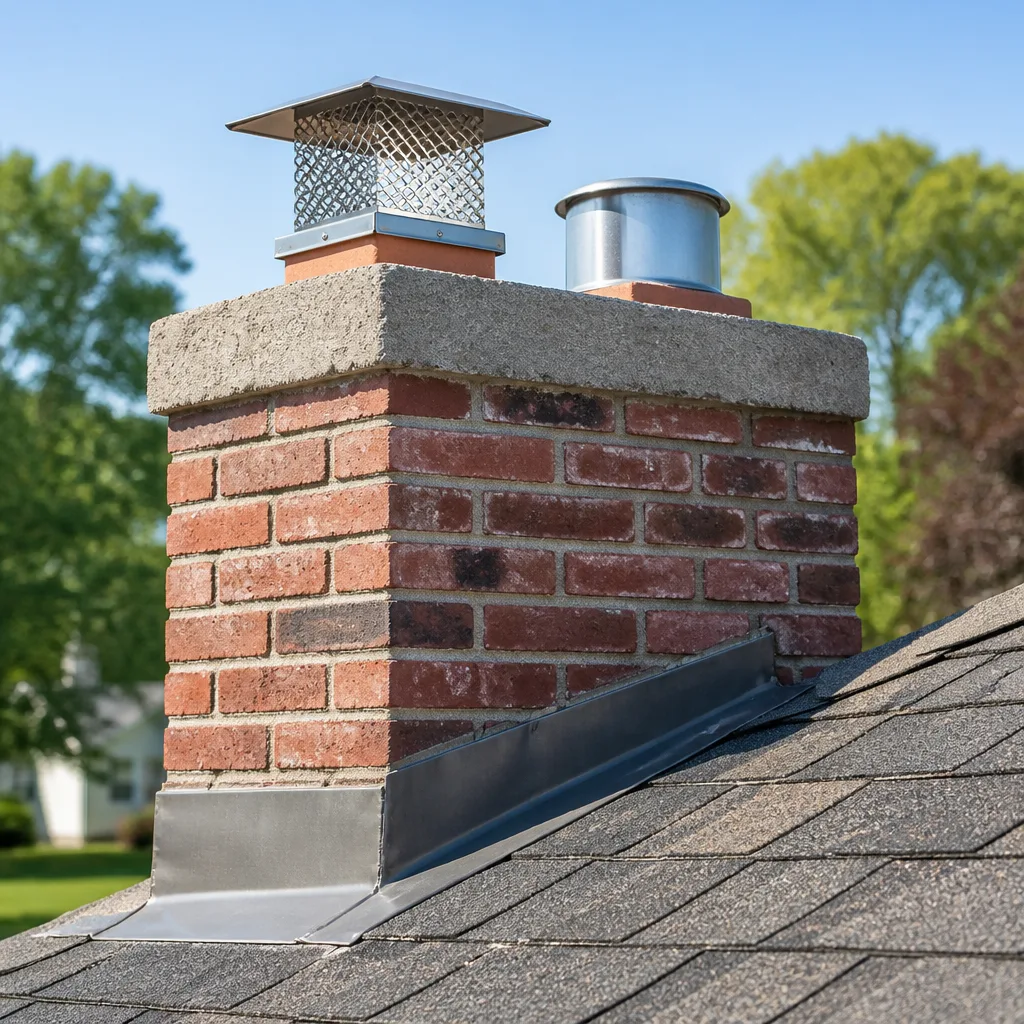 Sweep & inspection
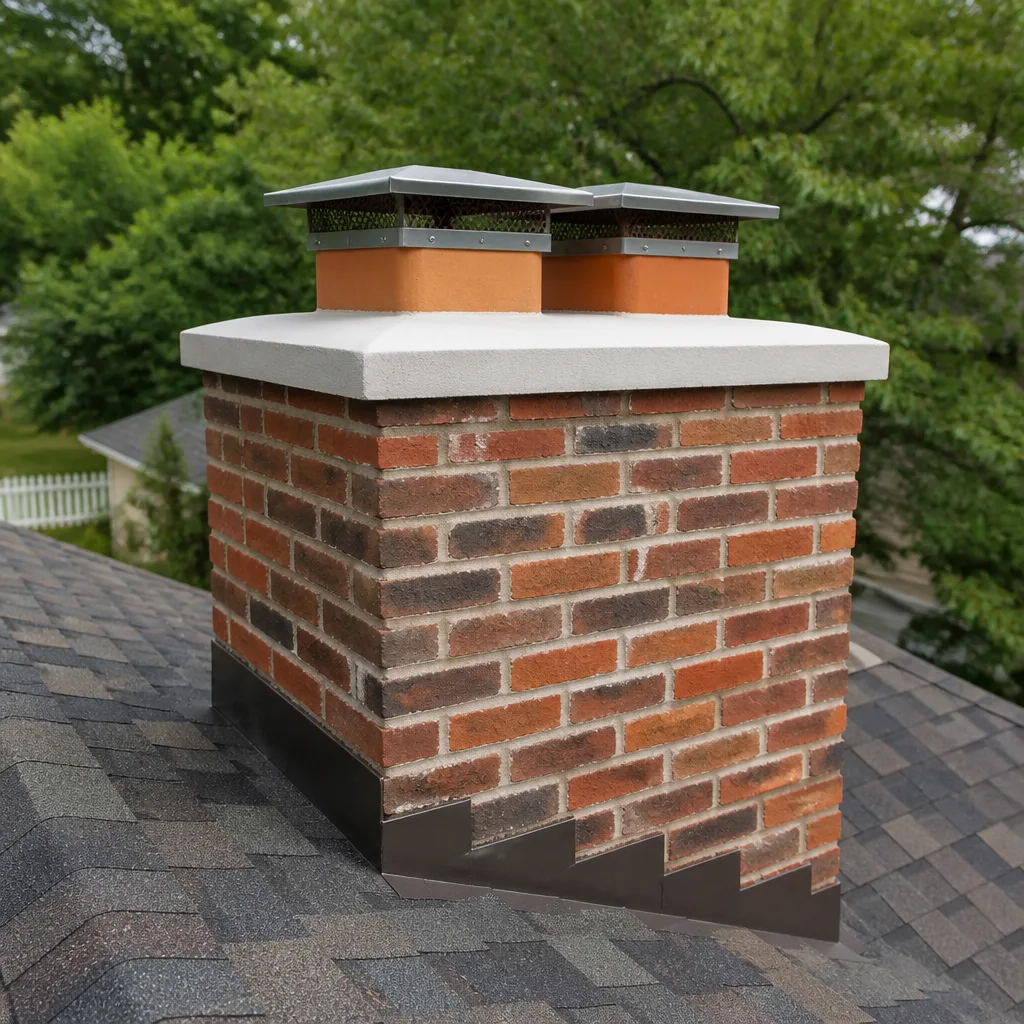 Caps & crowns
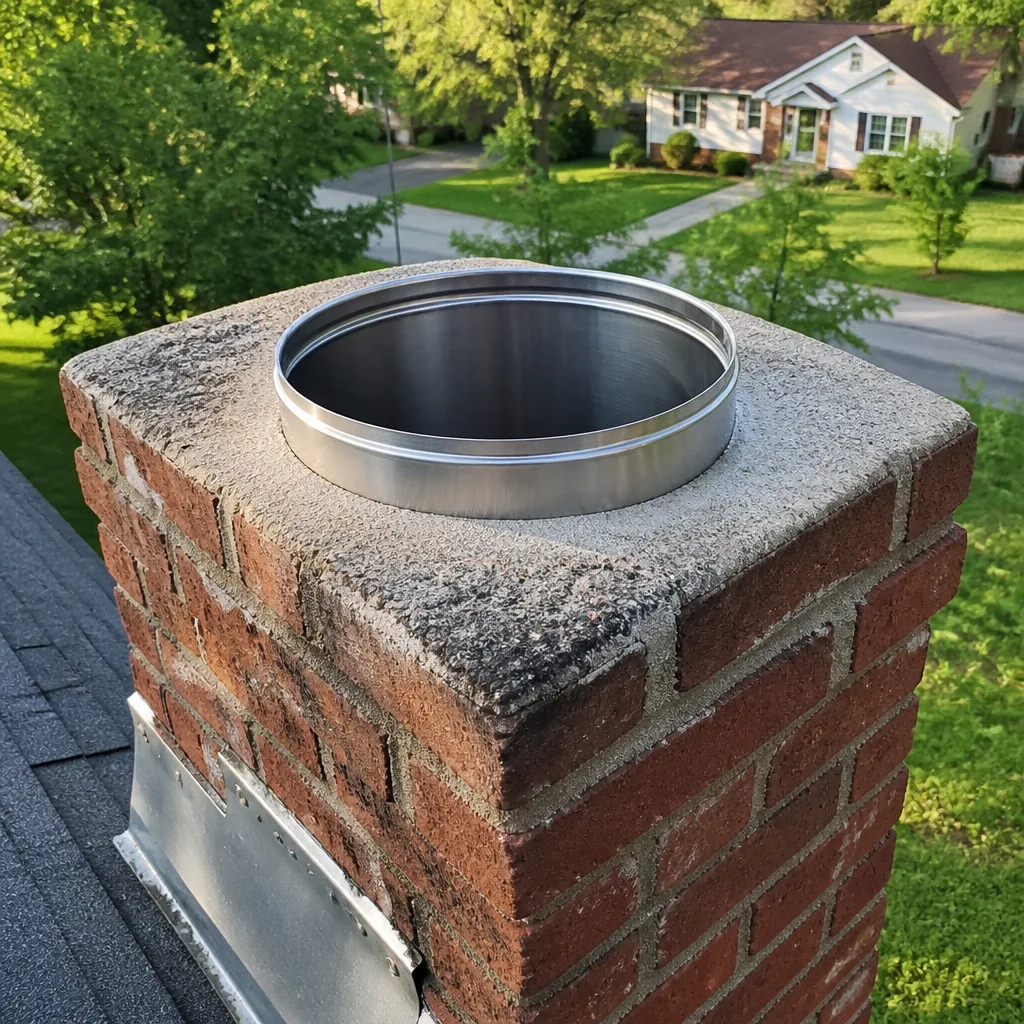 Flue relining
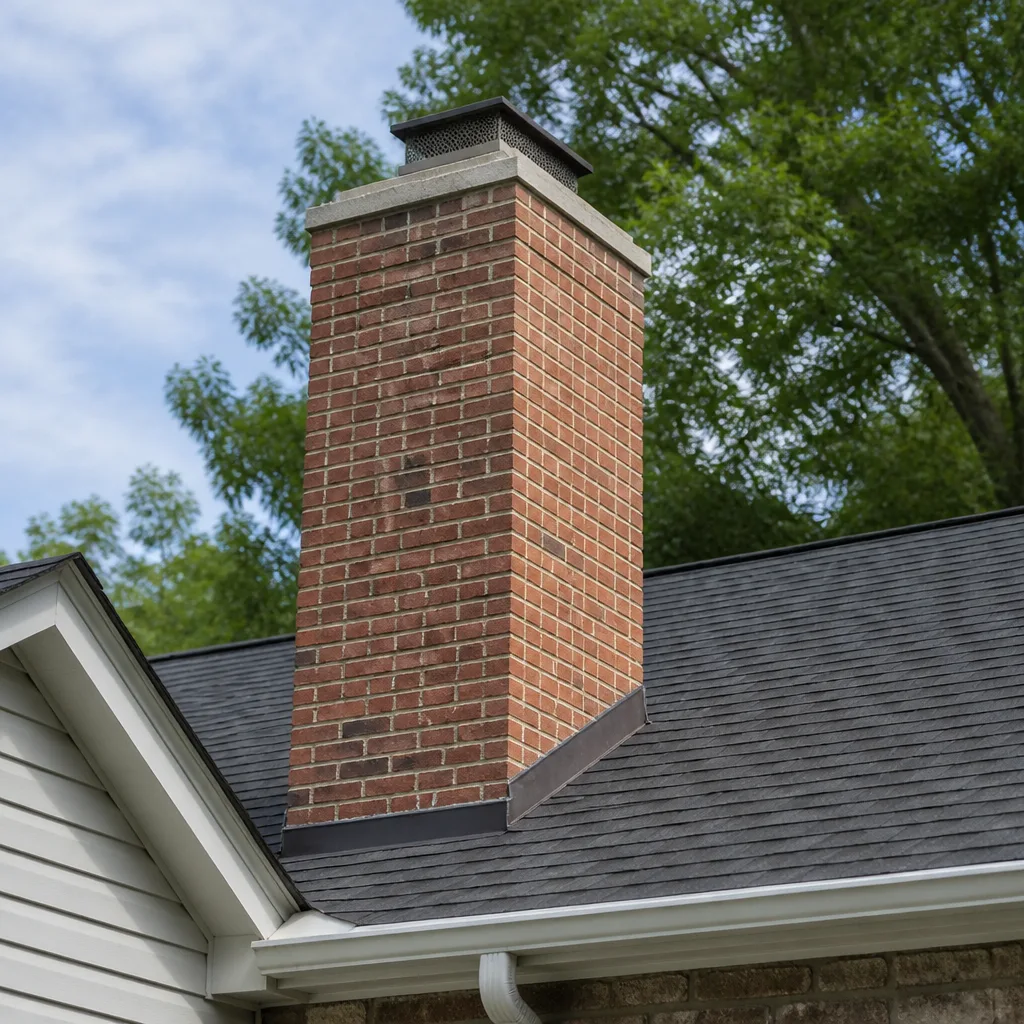 Masonry repair
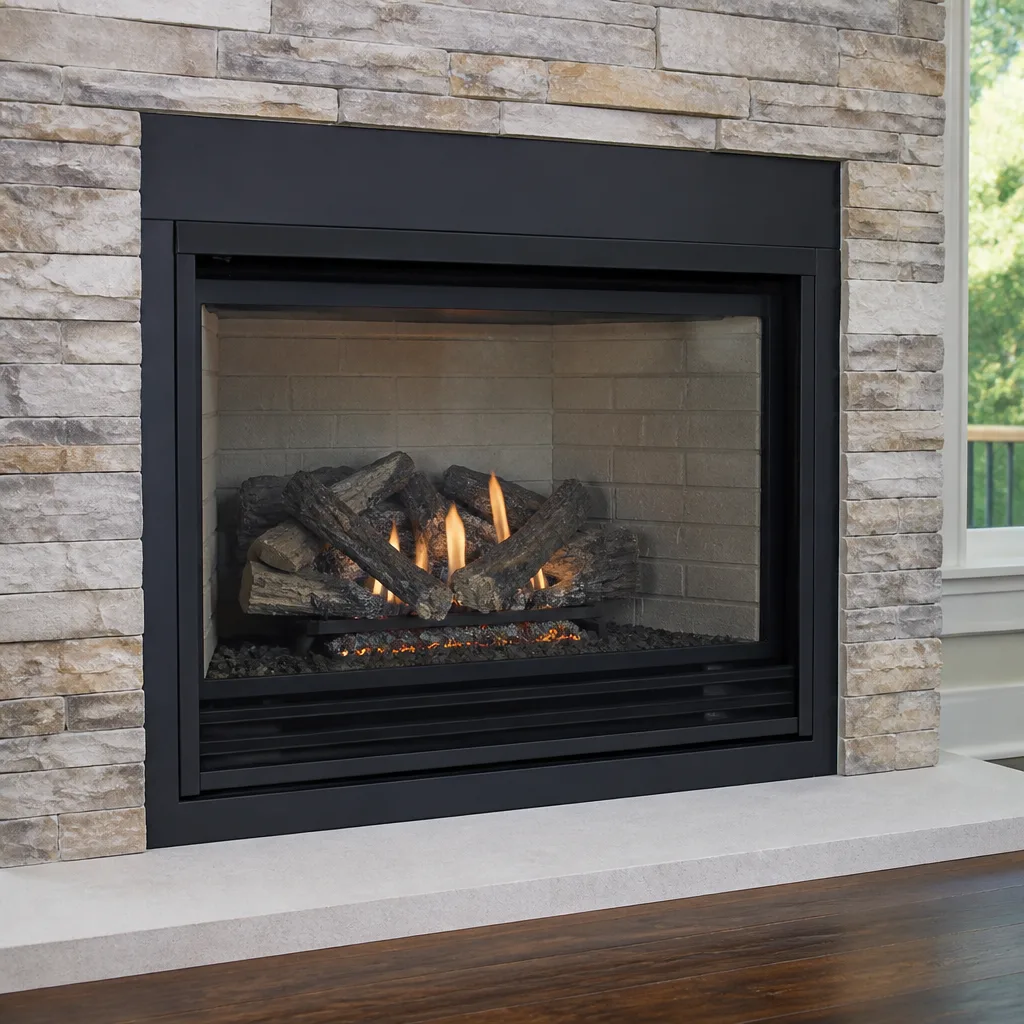 Gas fireplace service
Level 1 sweep and inspection to the NFPA 211 annual standard - flue, crown, cap, and flashing checked and photographed
Chimney sweep logs do not sweep chimneys. They loosen some creosote - which then falls where a brush and vacuum still have to collect it.
Chimney Sweep Maintenance Checklist for Albany Homeowners
Most chimney checklists float around the internet as generic annual reminders, and that’s where they fail. A single-page list can’t tell you that an Albany ranch with a low-pitch flue and a gas insert needs a different inspection cadence than a Center Square colonial running an open-hearth wood burner. The appliance, the fuel, the flue geometry, and how often you actually burn all change the schedule. This guide gives you a working framework instead of a fridge magnet: separate tracks for wood, gas, and oil, a month-by-month timeline built around Albany’s heating season and the damp stretch after the thaw, what you can safely check from the ground, and the red-line conditions that mean stop using the fireplace now.
Quick Answer
A chimney maintenance checklist for Albany homeowners should match your fuel type and usage, not just repeat “sweep once a year.” Wood-burning chimneys generally need sweeping when creosote reaches about 1/8 inch or after roughly a cord of wood, gas appliance vents need an annual inspection for corrosion and blockage even though they produce little soot, and oil flues need annual cleaning because of soot and sulfur residue. Whatever your setup, the work belongs on the calendar before the first cold snap, not after.
Styles & brands we work with
- Sweep & inspection
- Caps & crowns
- Flue relining
- Masonry repair
- Gas fireplace service
Table of Contents
- Why a One-Size Checklist Fails Albany Homes
- The Wood-Burning Chimney Track
- The Gas and Oil Appliance Tracks
- Your Month-by-Month Albany Calendar
- What You Can Check Safely vs. What Needs a Pro
- Red-Line Items: When to Stop Using the Fireplace
- Logging Maintenance for Insurance Documentation
- The Five-Step Pre-Season Routine
Why a One-Size Checklist Fails Albany Homes
Albany’s housing stock is a mix of pre-war colonials, mid-century ranches, and newer construction, and the chimneys that came with them differ as much as the buildings. An open-hearth fireplace in a Pine Hills colonial was built to move a high volume of smoke up a large masonry flue. A gas insert in a Guilderland ranch vents a small, low-temperature exhaust through a much narrower pipe. Treating both with the same “sweep in September” reminder ignores the fact that the gas vent has no creosote to sweep but does have a corrosion surface that can fail silently.
The climate adds its own variables. Albany winters bring freeze-thaw cycles that open hairline cracks in the crown and mortar joints. Spring’s wet thaw pushes moisture through any crack that’s already there. Summer dormancy lets a blocked or deteriorating chimney sit unattended for months without anyone noticing. A checklist that ignores the seasonality of those three phases is really just a reminder to book a sweep, not a maintenance plan.
What actually works is a framework keyed to three questions: what fuel you burn, how often you burn it, and how old the flue system is. Answer those honestly and the rest of the schedule falls into place. The sections below break each piece out so you can build a plan that fits your house rather than the average of every house in the country.
The Wood-Burning Chimney Track
Wood chimneys are the ones most people picture when they think about maintenance, and they’re the ones where the checklist earns its keep. Creosote – the tar-like residue left by incomplete combustion – builds up on the flue walls in three forms: a sooty powder, a crunchy flake layer, and a hard glaze that’s difficult to remove once it sets. The glaze stage is the dangerous one, because it’s highly combustible and a single hot ember can ignite it.
The general industry trigger for a sweep is about 1/8 inch of creosote accumulation on the flue walls. In practice that tends to line up with burning a cord of seasoned wood, though your burn habits and wood moisture determine that more than the cord count does. Burning unseasoned wood or damp wood produces far more creosote per fire, so a homeowner who burns green wood can hit the threshold faster than someone who seasons their wood properly.
What the wood track includes
- Annual flue sweep to remove creosote and soot before the heating season starts
- Level 2 inspection on any change of occupancy, after a chimney fire, or during a real estate transaction
- Cap and spark screen check – caps keep rain, animals, and debris out; Copperfield and Famco components are the kind of manufacturer-backed hardware worth using when it’s time to replace
- Crown and mortar inspection for cracking from Albany’s freeze-thaw cycles
- Damper operation test to confirm it opens, closes, and seals
- Flue tile check for cracks, spalling, or gaps at the joints
- Firebox inspection for mortar joint deterioration and cracked bricks
If the flue tiles are damaged or the chimney was built with an unlined flue, relining is the next conversation. DuraFlex flexible liner systems are the standard retrofit on older or irregular flues, and HeatShield ceramic resurfacing is an option when the existing liner is intact enough to restore rather than replace. We’ve seen chimneys in Albany’s older neighborhoods where the original flue has never been touched and the joints are failing, and the sweep is what surfaces the problem before it becomes a carbon monoxide entry point.
The Gas and Oil Appliance Tracks
Gas and oil chimneys don’t produce much creosote, which is why so many homeowners skip them entirely. That’s a mistake. The actual risks with gas are different: the flue can be blocked by a bird’s nest, a collapsed liner, or a dislodged cap, and the exhaust itself is acidic enough to corrode a liner from the inside over time. Because gas burns so cleanly, a problem with the vent doesn’t announce itself with smoke backing into the room the way a wood fire does.
The gas track is built around the annual inspection rather than the sweep. That means pulling the vent connection at the appliance, checking the flue for obstruction, confirming the liner isn’t deteriorating, and testing that the appliance is drafting correctly. A carbon monoxide alarm belongs in this conversation too – not as a substitute for a professional inspection, but as a backstop that catches what an inspection can miss between visits. Albany’s older homes with gas inserts retrofitted into original masonry chimneys are exactly the situation where that backstop matters most.
What the gas track includes
- Annual vent inspection for obstruction, corrosion, and correct draft
- Liner condition check – gas exhaust is acidic and can eat through a liner that looks fine from the outside
- Cap and termination check to confirm the vent isn’t clogged or improperly terminated
- Appliance flue connection inspection at the point where the vent meets the appliance
- Carbon monoxide alarm verification – test the alarm and check the battery and manufacture date
Oil flues are their own category. Oil appliances leave soot and sulfur residue that accumulates faster than gas deposits and can be corrosive to masonry. Annual cleaning is the baseline, along with an inspection of the flue liner and the vent connection. An oil-serviced chimney should never be skipped just because the burner itself gets serviced – those are two different systems, and the flue is the one that carries the exhaust out of the house.
If you’re not sure which track applies to your chimney, that’s the kind of question a real inspection answers. Call (866) 650-9028. We answer 24/7, and fast dispatch runs from 7am to 7pm, Sunday through Friday.
Your Month-by-Month Albany Calendar
The best time to book chimney work in Albany is late summer and early fall, before the first heating season demand makes scheduling tight and before the weather turns on people who waited. Here’s how the calendar breaks down across a typical year in this region.
- March – April (end of heating season): Book the post-season sweep or the end-of-season inspection. Creosote sits in the flue all summer, and any damage that happened over the winter is easier to spot and fix before the next heating season. This is also the window to schedule repairs so they’re done well before the fall.
- May – June (mud season and thaw): Check the crown, cap, and exterior masonry after the freeze-thaw cycle has finished its work. Water intrusion and mortar cracking show up most clearly in spring. Any repair found now can be scheduled with breathing room.
- July – August (summer dormancy): The chimney isn’t in use, which makes it the easiest time to do liner work, resurfacing, or cap replacement without disrupting the household. HeatShield and DuraFlex installations are far less disruptive when there’s no fire drawing through the system.
- September (pre-season prep): Schedule the annual sweep and inspection if it hasn’t already happened. Confirm the cap and spark screen are intact, test the damper, and make sure the woodpile is seasoned if you burn wood.
- October (first burn): The first fire of the season is a test run. Watch for smoke rolling into the room, smell for anything unusual, and make sure the draft is pulling correctly.
- November – February (heating season in full swing): Mid-season, focus on the things a homeowner can check without getting on the roof – alarm tests, damper operation, and signs of trouble like smoke backing up or creosote smell in the house. Call for a professional inspection if anything changes.
The timing matters more in this climate than in a mild one. An Albany winter that runs from late November into March gives a chimney months of continuous use, and the shoulder seasons are the only comfortable windows for repair work. For homeowners just setting up a routine, the general maintenance guide at Chimney Sweep Albany covers the core service types and what each one is for.
What You Can Check Safely vs. What Needs a Pro
A big share of the maintenance checklist is genuinely doable from the ground, and knowing which items belong to you versus which belong to a professional keeps the plan realistic. The split usually comes down to height, tools, and safety – if it requires a ladder, a roof, or reaching into the flue, it’s not a homeowner task.
Safe homeowner checks (ground level)
- Look at the chimney from the yard. Is the cap in place? Is the crown cracked or crumbled? Does the masonry look stained or efflorescent (white powdery deposits from water)?
- Test the damper. It should open and close fully and seal when closed.
- Inspect the firebox from the hearth for cracked bricks, missing mortar joints, or a cracked fireback.
- Watch the draft on the first fire of the season – a healthy chimney pulls smoke up and out with a clear, steady draft. Smoke rolling back into the room means something’s wrong.
- Test smoke and carbon monoxide alarms. Replace batteries on a schedule and note the manufacture date.
- Check for unusual smell. A strong creosote odor during summer dormancy often means creosote buildup or moisture intrusion.
Professional-only checks (roof and flue)
- Actual flue inspection with a camera or from the roof – the interior of a flue is where most problems hide, and you cannot see it from the firebox.
- Creosote measurement with the right tool – the 1/8 inch threshold is a professional measurement.
- Liner integrity testing – cracked or spalled flue tile is invisible from below in many cases.
- Crown and cap inspection at roof level – this is height work on a potentially steep or icy roof.
- Any work that involves the firebox, liner, or masonry – the structural pieces of a chimney aren’t a handyman project.
For a fuller breakdown of when a professional sweep is the right call versus a deferred one, the chimney sweep page covers the standard sweep process and what gets checked along the way. If your home is in one of the Albany area’s surrounding communities, the same service applies; the Voorheesville location guide walks through what a local visit looks like.
Red-Line Items: When to Stop Using the Fireplace
Most of the checklist is about timing – what to do and when. The red-line items are different. These are stop-now conditions, meaning you avoid burning in the fireplace until a professional has looked at it. Continuing to burn when any of these are present turns a maintenance issue into a safety issue.
- A cracked or crumbling firebox liner, or a fireback that’s cracked. Heat can escape through cracks into places it doesn’t belong and compromise the structure around the firebox.
- Signs of a past chimney fire. Puffy creosote (the glazed kind that looks like honeycomb or popcorn), cracked flue tiles, or warped metal components all point to a fire that happened inside the chimney. That flue needs inspection before you burn again.
- A strong, persistent creosote smell in the house, especially during summer. It often means buildup or moisture is present, and that’s not a condition to ignite.
- Smoke rolling back into the room. A blocked or collapsed flue can send exhaust – carbon monoxide included – into the living space instead of up and out.
- A carbon monoxide alarm sounding. This one is an immediate stop, open the windows, get everyone out, and call for a professional evaluation before anything else.
- A missing or damaged cap with visible animal nesting or debris. A bird or squirrel nest can obstruct a flue without the homeowner seeing it. The chimney needs a professional inspection before use.
- A leaning chimney or a significant mortar joint failure in the visible masonry. That’s a structural issue, not a cleaning issue, and it needs professional evaluation before the chimney is used.
If any of these match what you’re seeing, stop the fire and call. Call (866) 650-9028. We answer 24/7. A call outside dispatch hours is booked into the next opening, Sunday through Friday, 7am to 7pm.
Logging Maintenance for Insurance Documentation
Homeowner’s insurance claims related to a chimney fire or a carbon monoxide event tend to hinge on documentation – and most homeowners have none. The policy language usually looks for evidence that the chimney was maintained on a reasonable schedule, and a folder of service records is the difference between a straightforward claim and a contested one. The good news is that logging takes about five minutes a year once the system is in place.
New York doesn’t mandate a particular log format, but the standard categories matter: what was done, when, by whom, and what the findings were. The contents of an inspection report usually give you all four. Keep the report itself and add it to a running summary sheet.
What a maintenance log should include
- Date of each service – sweep, inspection, or repair – and who performed it
- Scope of work – what was cleaned, what was inspected, what was found
- The inspection report – keep the original with any photos or video stills the technician took
- Repairs and replacements – brand, model if available, and the date installed
- Alarm test dates – smoke and CO, both
- Fuel and appliance changes – if you switched from wood to gas, added an insert, or replaced a stove
One habit that pays off: photograph the service report and the receipt, and store them in a folder alongside the year’s other home records. If the insurer asks, you have the documentation ready. Photographs of the chimney exterior taken on the same date each year are also useful because they show change over time – a crown that’s cracking slowly shows up as a progression rather than a mystery.
For the broader picture on structural repair and what a typical repair scope involves, the chimney repair guide covers the kinds of issues that show up in inspection reports and how they’re usually addressed.
The Five-Step Pre-Season Routine
Every year before the first cold snap, run through this routine in order. It’s designed to take a homeowner’s day to complete the do-it-yourself items and to plug the professional items into the calendar with a comfortable margin.
- Confirm the season. Look at the calendar and set a target – for Albany, late August or the first week of September works well because it’s before the busy fall window. Book the sweep or inspection now rather than waiting for a cold-weather emergency.
- Walk the exterior. From the ground, check the cap, the visible masonry, and the crown for obvious defects. Note anything that looks changed from last year. If you keep photos, take a fresh set.
- Test the interior. Open and close the damper, check the firebox for cracks, verify that the chimney is clear of obvious debris, and test both smoke and carbon monoxide alarms.
- Book the professional inspection. The sweep and inspection are the foundation of the whole routine. Make sure the report goes into your maintenance log – that’s the document your insurer will want if anything happens.
- Interpret the results and act. Read the report carefully and get the recommended repairs done before the season starts. If a recommendation seems premature, ask about the evidence behind it. Any professional with a camera and a photo report should be able to show you what they’re seeing.
Working from a single company that handles the sweep, the inspection, and the repair – the same team doing all three – means the person who finds a problem is the person who fixes it. That reduces the handoff gap between a report and a repair, and it means you’re not retaining a second contractor for the masonry or the liner. Professional-grade brands like Gelco and HeatShield are used on the resurfacing side, and Copperfield and Famco on the caps, dampers, and venting, because those components are what hold up over years, not just one season.
Common Mistakes to Avoid
- Sweeping once and calling it done. A sweep removes creosote, but it doesn’t verify the liner, the crown, or the cap. Year one deserves a full Level 2 inspection, and any change of fuel or appliance afterward reopens the question. Albany’s older homes with original unlined flues are the toughest cases – the sweep alone won’t reveal whether the flue has ever been upgraded.
- Skipping maintenance on a gas insert because it “burns clean.” Gas doesn’t leave much creosote, but it can leave corrosion, and a blocked gas flue is a carbon monoxide risk. A Guilderland ranch with a gas insert still needs an annual vent inspection, even though the firebox itself may look spotless.
- Ignoring the crown and the cap. Albany’s freeze-thaw cycles are the primary cause of crown cracking. A small crack in the fall becomes a much larger problem through the winter. Cap damage is a similar story – a missing cap means water, snow, and animals get direct access to the flue.
- Burning wet or unseasoned wood. This is the single biggest driver of creosote buildup in a wood-burning chimney. Seasoned wood burns hotter and cleaner. A moisture meter costs less than a cord of wood and settles the question.
- Treating a “small” chimney fire as no big deal. Chimney fires often go unnoticed because they burn up and out quickly. Any evidence of a past fire – puffy creosote, warped metal, cracked tiles – means the flue needs a professional inspection before you burn again.
- Putting off the annual inspection an extra year. One skipped year is survivable in a clean, well-kept chimney. Two or three skipped years on a heavily used wood fireplace can let creosote build to glaze stage without anyone realizing it.
- Hiring a sweep without evidence of what was found. Any inspector worth hiring will show you what they saw and recommend repairs based on visible findings. A recommendation without a camera image is a red flag. If a sweep or inspection results in a big repair estimate, ask for the evidence first – the industry has the tools to provide it, and a professional with a camera and a photo report is expected to use them.
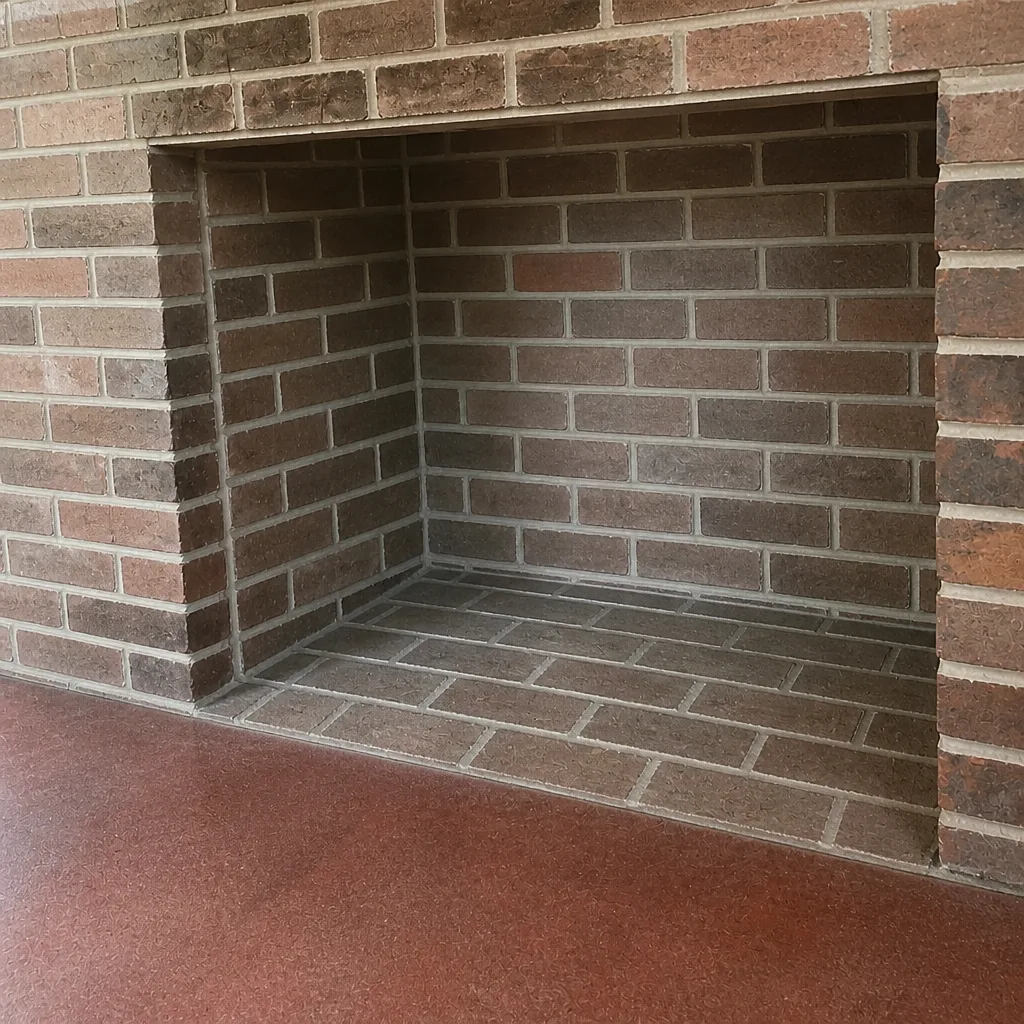
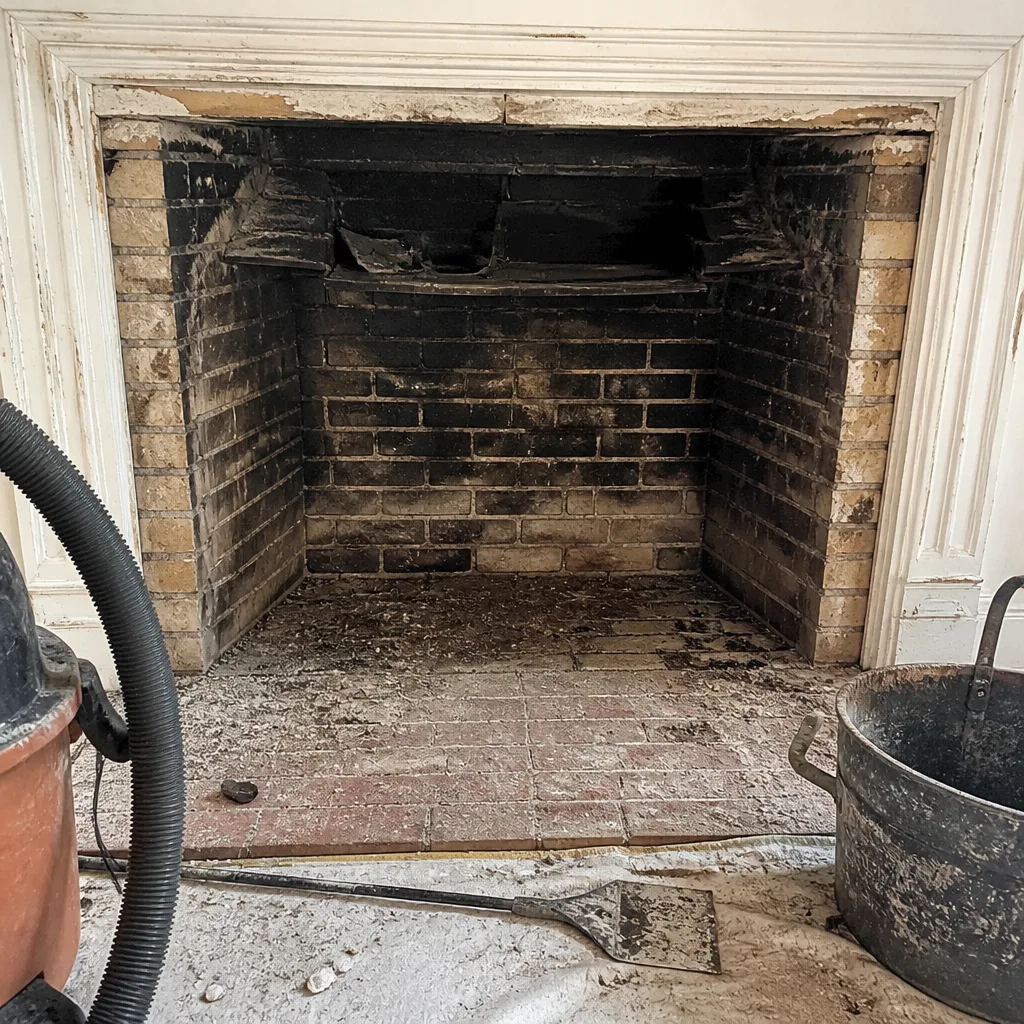
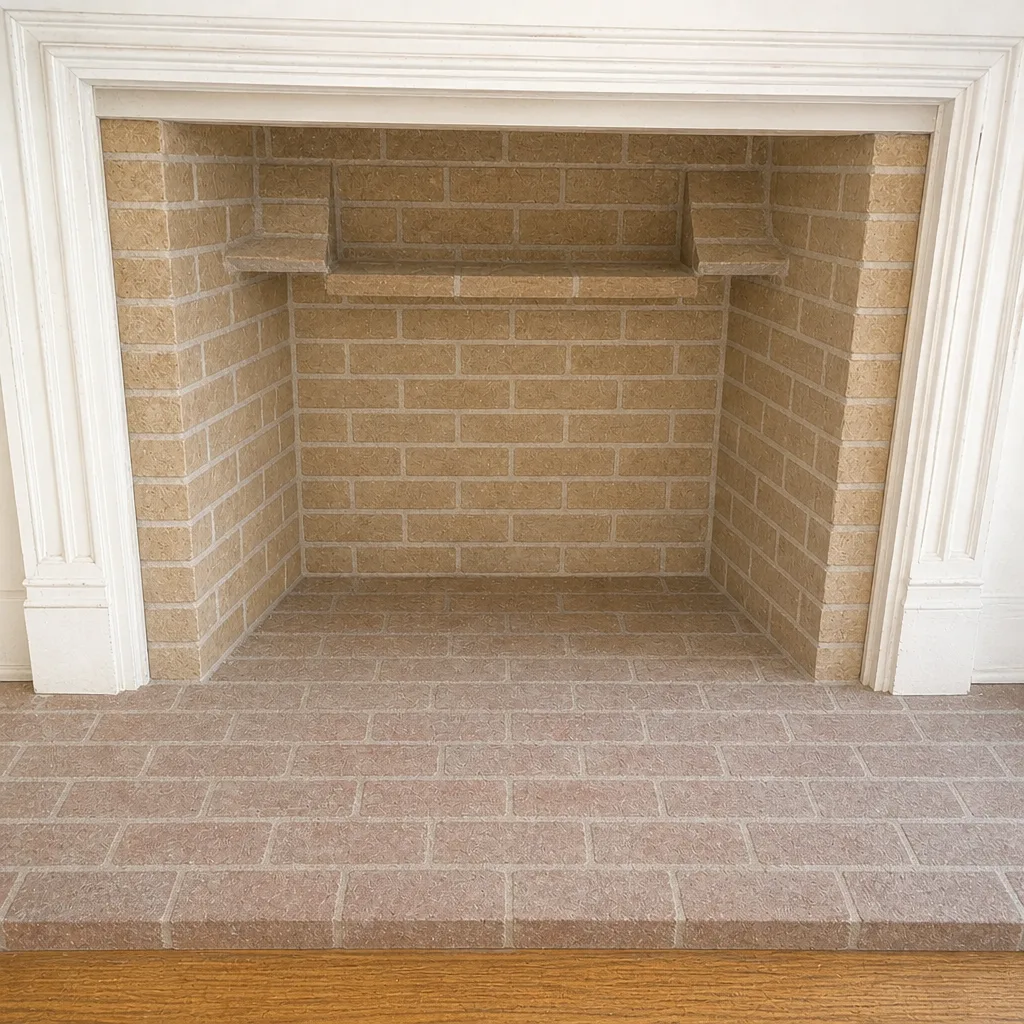
See the difference
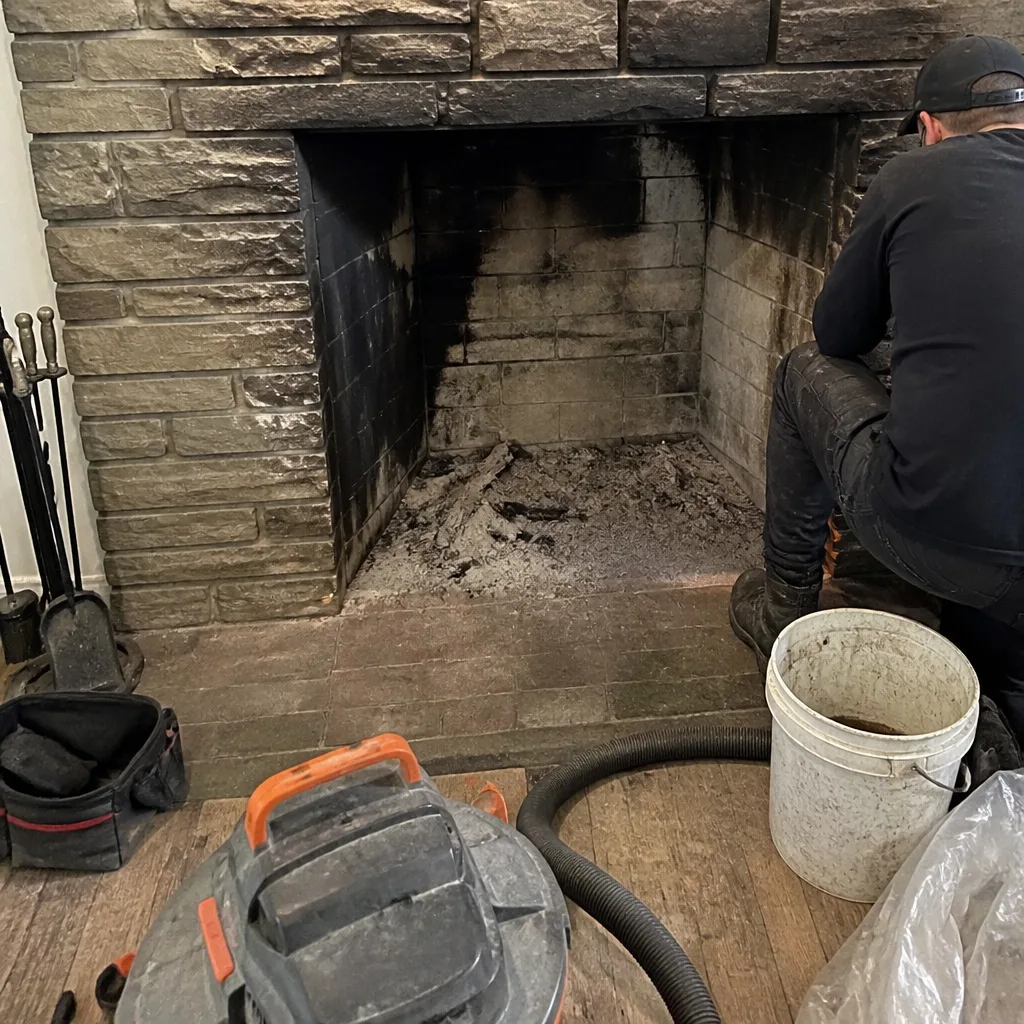 Before
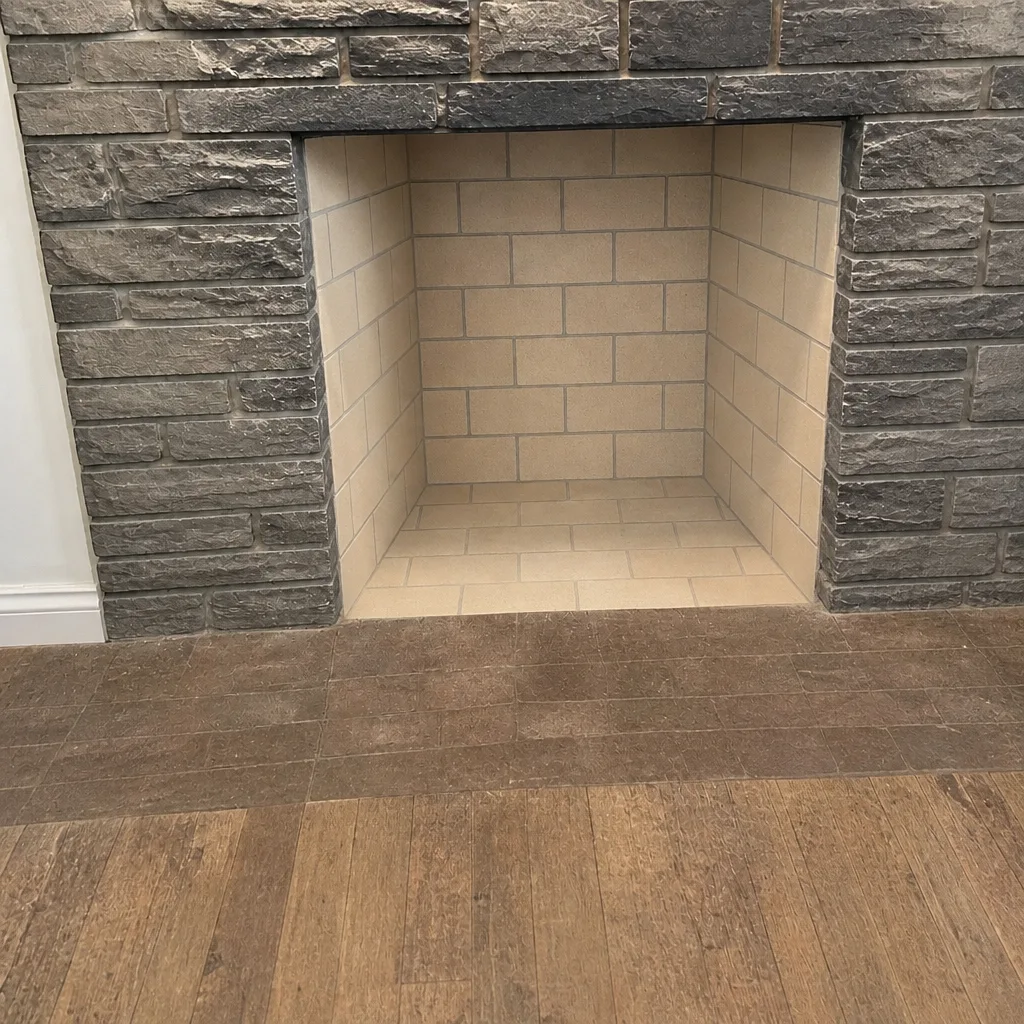 After
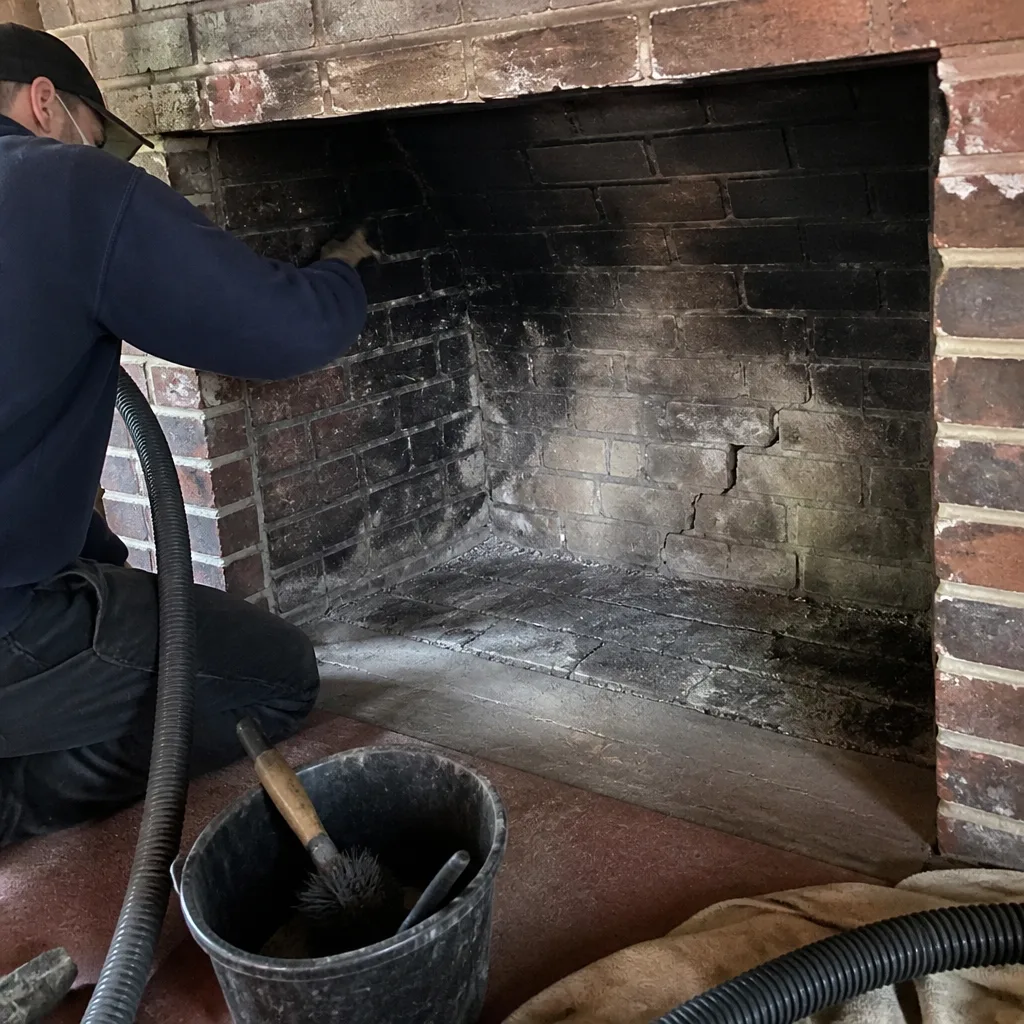 Before
 After
 Before
 After
When to Call a Professional
The split between a homeowner’s responsibility and a professional’s is clearer than most people think. Book a professional when: you’re due for the annual sweep or inspection, you’ve never had the flue examined, you’ve changed fuel types or added an appliance, you’re buying or selling the house, you’ve had a chimney fire or suspect one, you notice smoke backing into the room, you smell strong creosote in summer, or you find any of the red-line issues in this guide. Roof-level work, flue interior work, and anything structural all belong in the professional column. Chimney Sweep Albany offers free estimates in Albany – call (866) 650-9028. We answer 24/7. Fast dispatch runs from 7am to 7pm, Sunday through Friday.
Frequently Asked Questions
Wood-burning chimneys typically need sweeping when creosote reaches about 1/8 inch or after roughly a cord of seasoned wood, and an annual inspection keeps you ahead of buildup. Gas and oil appliance chimneys need an annual inspection or cleaning even without visible soot. Call (866) 650-9028 for a free estimate.
Creosote accumulates, and once it reaches a glazed stage, a hot ember can ignite it. Beyond fire risk, a blocked flue can send carbon monoxide into the house, and a deteriorating liner can silently leak exhaust into the walls. A missed season isn’t automatically a disaster, but the risk builds quietly with each skipped year. Call (866) 650-9028 for a professional inspection if you’ve gone more than a year.
Yes, and you should – the visible exterior, the damper, the firebox, and the draft on your first fire are all safe to check from ground level. What you can’t check from the ground is the flue interior, the liner, or the crown at roof level, and those are where most serious problems hide. Call (866) 650-9028 to book the professional inspection.
Yes. Gas appliance flues can become blocked or corroded even without soot buildup, and a blocked vent is a carbon monoxide risk. An annual vent inspection catches obstruction and corrosion before they become a problem. Call (866) 650-9028 for a gas flue inspection.
Keep the date, scope, findings, and inspector for every service, plus the original inspection report and any photos. New York homeowner’s policies generally look for evidence of regular maintenance, and a service log satisfies that without any special format. Call (866) 650-9028 to book the annual service that keeps the log current.
No. An unlined flue doesn’t protect the surrounding structure from heat transfer or creosote, and the typical fix is a flexible liner system. DuraFlex and similar systems are standard for retrofitting older flues. Call (866) 650-9028 for an inspection to confirm whether your chimney is lined properly.
The Bottom Line
A chimney maintenance checklist that works is one built around your fuel, your burn habits, and Albany’s seasons – not a generic one-size reminder. Wood chimneys need a sweep driven by creosote buildup; gas and oil appliance chimneys need an annual vent inspection regardless of visible soot. The pre-season window in late summer and early fall is the easiest time to schedule work, and the five-step routine belongs on the calendar every year before the first fire. Keep the log current, watch for the red-line items, and when in doubt, ask for evidence – a quality professional will show you the camera findings, not just the estimate. If it’s time to get this year’s checklist started, call (866) 650-9028. We answer 24/7. Fast dispatch from 7am to 7pm, Sunday through Friday. Free estimates in Albany.
Written by the team at Chimney Sweep Albany.