
Last updated November 15, 2026
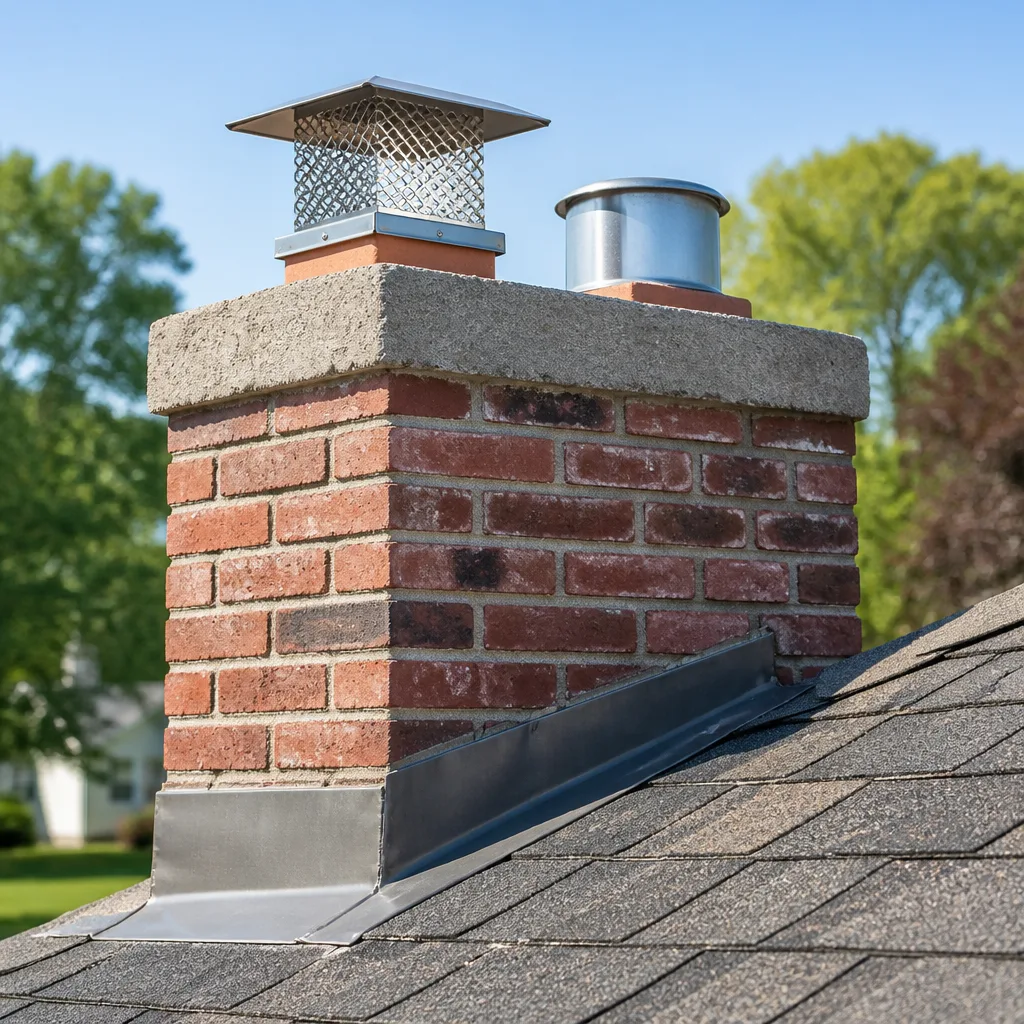 Sweep & inspection
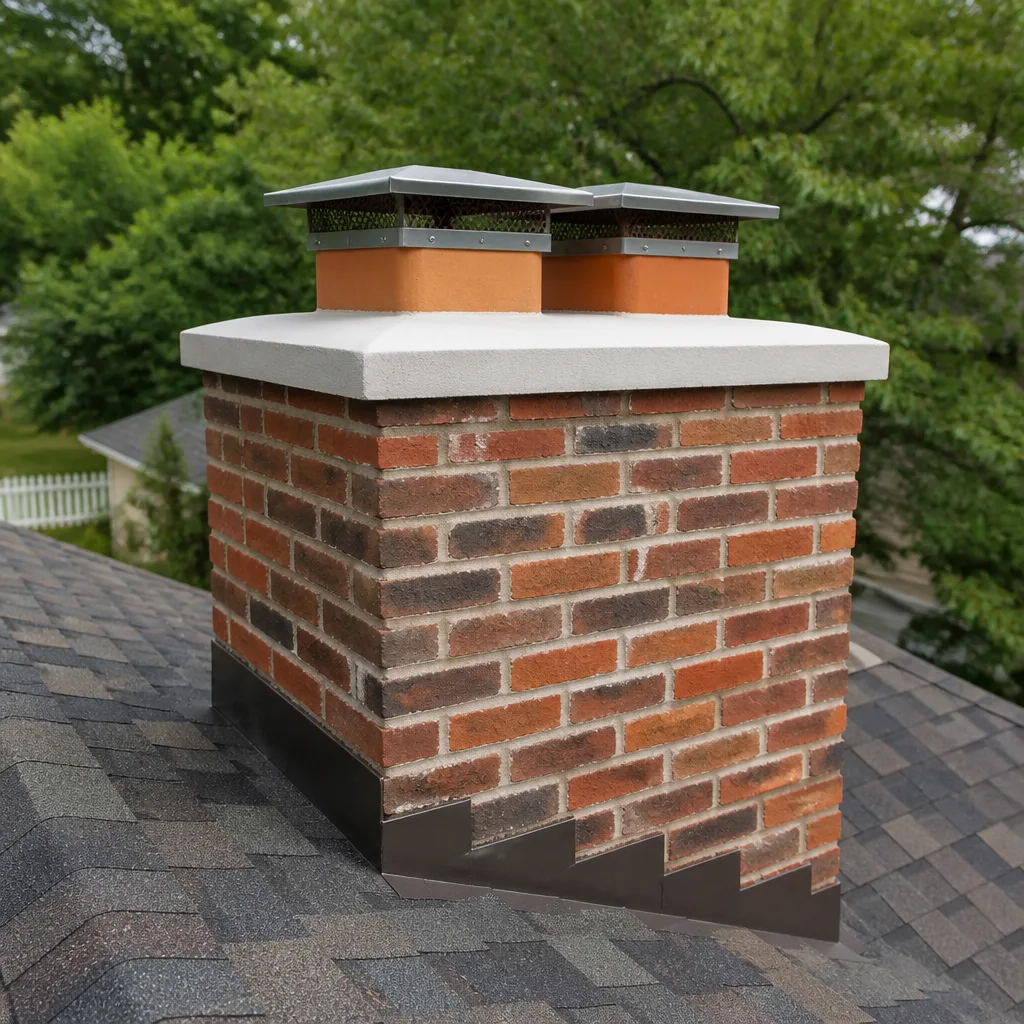 Caps & crowns
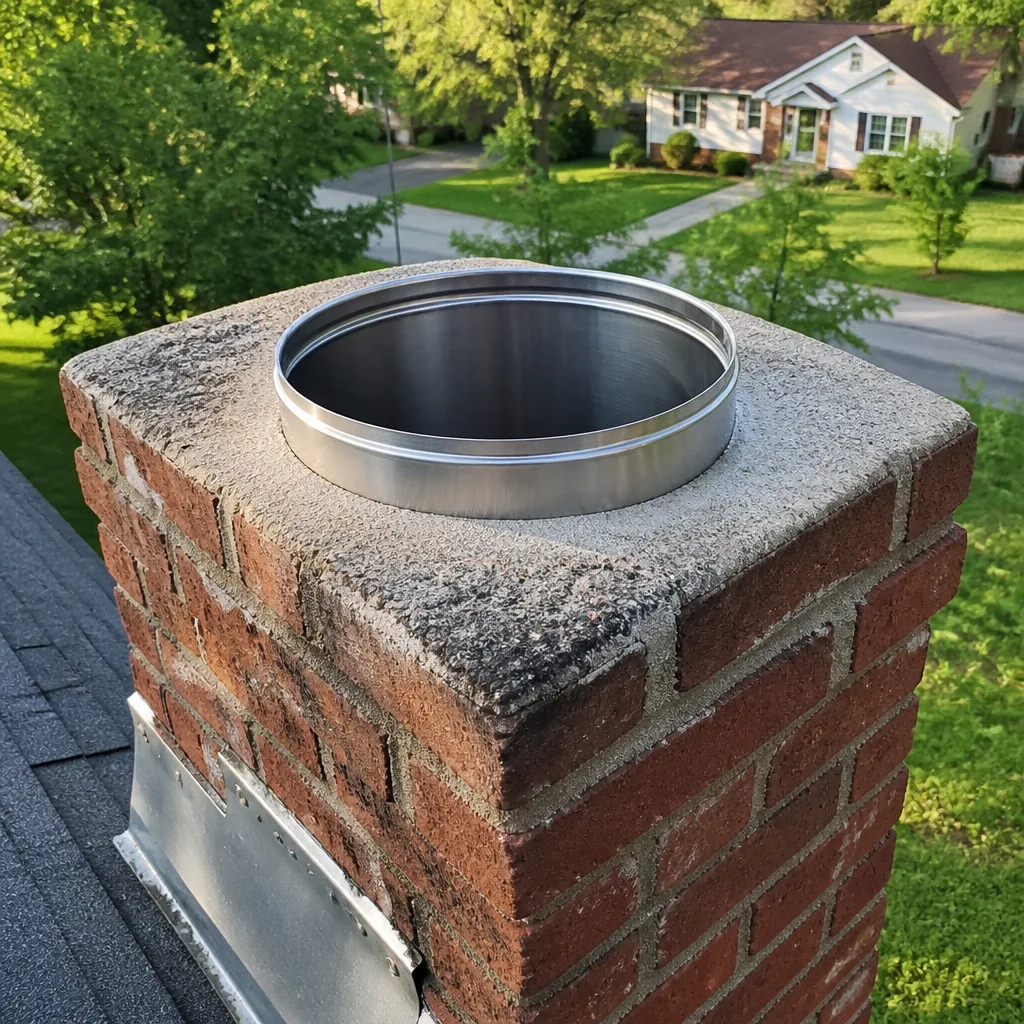 Flue relining
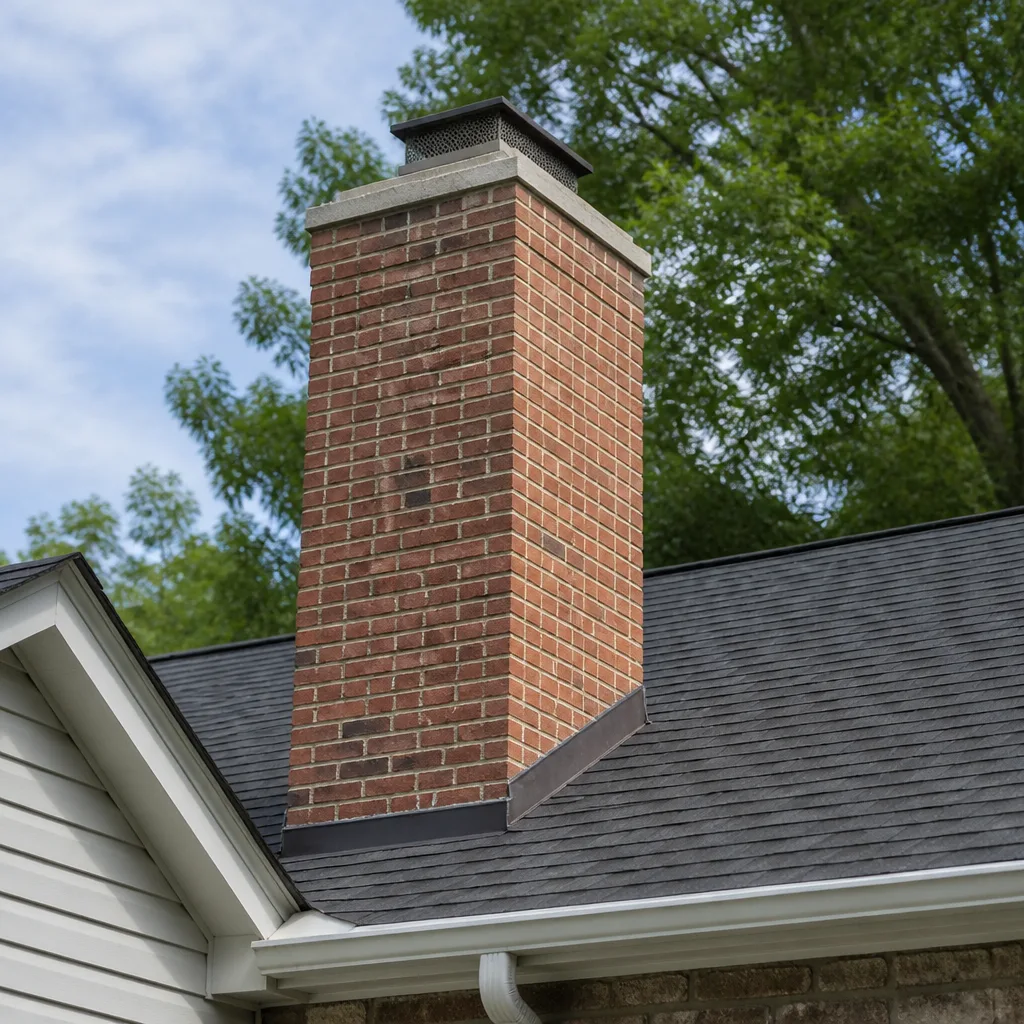 Masonry repair
 Gas fireplace service
Level 1 sweep and inspection to the NFPA 211 annual standard - flue, crown, cap, and flashing checked and photographed
Chimney sweep logs do not sweep chimneys. They loosen some creosote - which then falls where a brush and vacuum still have to collect it.
Chimney Cleaning Warning Signs: An Albany Homeowner’s Reference Guide
Most chimney warning signs don’t announce themselves. They don’t look like a movie scene with flames pouring from the roof. They look like a faint smoky smell that only shows up on cold mornings, a bit of white powdery staining on the brick, or a fire that just doesn’t draw the way it used to. Homeowners in Albany walk past these signals all season because none of them feel urgent, and that’s exactly the problem. This guide translates the subtle signs into plain language and explains what each one actually means inside the flue. You’ll finish knowing which signals can safely wait and which ones need a professional sweep before you light the next fire.
Quick Answer
The main chimney cleaning warning signs are a strong smoke or creosote smell in the living room, white staining on exterior masonry, soot falling into the firebox, a fire that burns unevenly or smokes back into the room, and visible cracks or gaps in the flue tiles. Any of these means the flue has more going on than a dirty surface, and it’s time for a professional inspection before the next burn. A strong smoke smell is the most specific clue of all: it usually points to a draft pressure problem, not just a messy chimney.
Styles & brands we work with
- Sweep & inspection
- Caps & crowns
- Flue relining
- Masonry repair
- Gas fireplace service
Table of Contents
- What Your Nose Tells You: Decoding Chimney Odors
- Visual Signs Inside the Firebox That Point to Liner Damage
- White Staining on Brick: A Moisture Warning, Not Cosmetic
- Unusual Fire Behavior and What It Reveals About Blockage
- Albany-Specific Draft Problems That Look Like Dirty Flue
- Creosote Stages and When Glaze Means Trouble
- What a Real Inspection Looks Like, Step by Step
- Common Mistakes to Avoid
What Your Nose Tells You: Decoding Chimney Odors
A strong smoke smell in your living room on a cold day isn’t just annoying. It’s a diagnostic clue about your flue’s draft pressure, and it narrows the problem to two or three likely causes before anyone climbs a ladder. Different odors point to different problems, and telling them apart matters more than most homeowners realize.
Creosote smell
Creosote smells like a campfire mixed with tar or asphalt. It’s sharp, and it often gets worse on warm days when the flue is warm but not drafting. A creosote odor usually means the flue has a build-up of combustion residue that’s volatilizing into the room. In our experience, this is the most common smell homeowners in Albany mention, and it usually resolves after a proper sweep with a camera verification of what got removed.
Animal debris smell
If the odor is musty, sour, or faintly like rot, the likely cause is a nest or animal debris sitting on the smoke shelf or damper. Birds, squirrels and raccoons drop in through an uncapped flue. A chimney cap with a proper mesh screen, like the ones we source through Famco or Copperfield, keeps animals out and usually prevents this problem from ever coming back.
Water-damaged masonry smell
Damp, earthy, or basement-like smells point to water getting into the masonry – often from a failed crown, a missing cap, or cracking in the mortar joints. That smell is a moisture signal, and moisture is what eventually drives spalling brick and cracked flue tiles. It’s easy to mistake for a dirty flue, but a sweep won’t fix it.
Visual Signs Inside the Firebox That Point to Liner Damage
You can spot liner damage without owning a camera, just by looking carefully into the firebox before the season starts. A liner is the protective barrier between the heat of the fire and the combustible parts of your house. When it starts to fail, the signs are visible at eye level more often than people expect.
Here’s how to check what’s visible before you call in a professional:
- Look at the top of the firebox opening. Cracks, gaps, or missing chunks in the firebrick or refractory panels suggest heat has been escaping where it shouldn’t.
- Shine a light up the flue from below. You’re looking for cracked tiles, open mortar joints, or visible soot patterns that pool at one point.
- Check the damper seal. A damper that no longer seats properly leaks smoke around the edges and can be a sign the frame itself has warped from heat.
- Look for crumbling or dark staining at the firebox seam. This is often the first sign of liner failure at the base, where heat is most concentrated.
- Inspect the smoke shelf and damper for heavy soot or debris. More than a small dusting means smoke is depositing back into the firebox instead of flowing up the flue.
If you see any of these, a sweep alone won’t resolve the underlying problem. A proper Chimney Sweep Albany visit includes both the cleaning and the diagnostic evidence of what’s worn. HeatShield ceramic resurfacing is often the answer when a flue is deteriorating but still structurally sound enough to be restored rather than rebuilt.
White Staining on Brick: A Moisture Warning, Not Cosmetic
White staining on exterior chimney masonry is a moisture warning, not a cosmetic issue. Homeowners often assume this chalky residue is harmless oxidation or weathering. It isn’t. That white powder is called efflorescence, and it forms when water moves through masonry, dissolves mineral salts inside the brick, and deposits them on the surface as it evaporates.
What makes efflorescence worth acting on is where the water is getting in. There are three common entry points:
- A failed crown. The concrete cap at the top of the chimney cracks with freeze-thaw cycles, and rainwater runs straight down into the brick.
- Missing or damaged flashing. The metal flashing where the chimney meets the roof is a common leak point on older Albany homes, especially after a hard winter.
- Porous brick and unsealed mortar. Older, softer brick absorbs water like a sponge if it’s never been sealed or maintained.
Albany’s climate makes this worse. Repeated freeze-thaw cycles in late winter force water to expand inside the masonry, opening small cracks into larger ones. That’s when spalling starts: the brick face sheets off and the structural integrity of the chimney begins to weaken. A moisture-triggered masonry problem like this usually needs more than a sweep. Depending on the extent, it may call for crown repair, flashing replacement, or a proper cap and damper installation, which is where components from Copperfield and Olympia Chimney come into play.
If you see efflorescence, take a photo before the next rain. Comparing it after a wet week tells a professional a lot about how fast water is moving through the masonry.
Unusual Fire Behavior and What It Reveals About Blockage
A well-running fire pulls smoke up and away with almost no spill. A fire that smolders, smokes into the room, or won’t hold a consistent flame is giving you information about where a blockage is – but the behavior tells you about location, not just presence.
Smoke rolling into the room when you first light
A small amount of smoke on cold startup is normal when the flue is cold and the pressure is low. Smoke that keeps rolling into the room after five minutes of burning is a sign of insufficient draft, which usually means a partial obstruction with debris or creosote near the top of the flue, or a drop in indoor pressure from an exhaust fan or another appliance drawing air out of the house.
Uneven flame and lazy draw
A fire that burns more on one side than the other, or that keeps dying down despite good fuel, is often the result of an internal blockage at the top of the flue, a damaged damper, or a smoke shelf packed with soot. The fuel isn’t the issue: the smoke has nowhere to go, so the fire struggles to keep pulling fresh air in.
A fire that roars or pops
Sudden pops, roaring sounds, or flames that surge up the flue point to a heavier creosote deposit igniting in the flue. That’s the moment to stop burning and call. A chimney fire can burn out on its own and still leave the flue compromised in ways you can’t see from below.
If any of these behaviors show up, don’t run another fire to “see if it settles.” Call (866) 650-9028 and book an inspection. We answer 24/7. Fast dispatch from 7am to 7pm, Sunday through Friday.
Albany-Specific Draft Problems That Look Like Dirty Flue
Albany’s wind patterns and home construction create draft problems that mimic the symptoms of a dirty flue. That’s a frustrating diagnosis for homeowners, because a sweep doesn’t fix a draft that was never caused by soot in the first place.
Here’s what we see in the region:
- Wind-driven backdrafts. Albany sits in a bowl-shaped river valley where wind can hit a chimney from an unexpected direction. A short chimney on a sloped roof is especially vulnerable to a backdraft that pushes smoke back down the flue even when the flue is spotless.
- Negative pressure in tightly sealed homes. Many of the older homes in neighborhoods like Center Square and the Pine Hills have been upgraded with modern windows and insulation. That’s good for heating bills and bad for chimney draft, because a well-sealed house can’t pull in enough make-up air. The chimney ends up competing with the furnace, the dryer, or a bathroom fan for the same air, and the fire loses.
- Chimney height against the roofline. A chimney that’s too short relative to the roof ridge or a nearby tree line loses draft pressure. This often shows up as a fire that lights fine on a calm evening and smokes into the room on a windy day.
- Older flue configurations in Albany housing stock. Many pre-1950 homes have irregular or offset flues that don’t flow cleanly. Some of these benefit from a flexible liner like DuraFlex, which handles irregular flue configurations that rigid liners can’t fit.
An inspection is what separates a draft problem from a dirty flue. If you’re in Albany and your fire smokes regardless of how clean the flue is, the issue is almost certainly airflow or geometry, not soot. That’s also true if you’re outside the city in a nearby community like Voorheesville, where older construction runs into the same draft challenges. When you need a chimney sweep for the cleaning side of the job and a diagnostic for the airflow side, both happen in a single visit.
Creosote Stages and When Glaze Means Trouble
Creosote builds up in stages, and the difference between a light dusting and a glazed coating is the difference between “schedule a sweep” and “stop burning now.” Knowing the stages helps you read what you’re seeing.
- Stage 1: Soot and light flaky creosote. This is what a routine sweep removes. It’s normal after a season of burning and doesn’t indicate a structural problem.
- Stage 2: Crusty, flaky deposits. Noticeably thicker and harder to scrape. Still usually manageable with a proper sweep, but it means the flue is running cooler than it should be.
- Stage 3: Glazed, hardened creosote. This is the dangerous stage. It looks like a shiny, tar-like coating on the flue walls and won’t come off with conventional brushing alone. It ignites easily at high heat, and it’s the most common cause of chimney fires.
Smoldering, low-heat fires produce more creosote than hot, well-ventilated fires, which is why a fireplace that gets used occasionally with wet wood tends to build up faster than one burned hot with seasoned fuel. If you see glaze on the flue walls, stop using the fireplace until a professional sweep has addressed it. A camera inspection confirms how far the glaze extends and whether a resurfacing system like HeatShield is needed to bring the flue back to a safe condition.
What a Real Inspection Looks Like, Step by Step
A real chimney inspection is systematic, not a five-minute glance up the flue. Here’s what a thorough visit should cover when you book a professional inspection:
- Interior inspection with a camera. A camera on a rod or reel runs the full length of the flue so the technician can see what’s inside it. This is the step most homeowners care about most, because it catches what a visual glance from the firebox misses.
- Firebox and damper check. Confirm the damper operates, the firebox has no visible cracks, and the smoke shelf is clear.
- Creosote assessment. Note the depth and stage of build-up so the sweep can be scoped properly.
- Exterior inspection. Check the crown, cap, flashing, and masonry for signs of water damage or deterioration.
- Draft test. Confirm the flue actually pulls when the fire is lit under normal conditions.
- Written summary with photos. A camera inspection should come with a photo record you can see yourself. That’s the whole point: you shouldn’t have to take anyone’s word for what’s inside your chimney.
Nothing gets recommended unless the camera evidence supports it. If a liner is intact and the creosote is at Stage 1, the answer is a sweep and nothing more. If the flue shows glaze, cracked tiles, or failed mortar joints, the options get discussed with the photos right there in front of you. Our technicians have up to experience, and we work with professional-grade parts from Gelco and Olympia Chimney where hardware needs replacing.
Common Mistakes to Avoid
- Burning wet or unseasoned wood to “save it for later.” Green wood smolders, creates more creosote, and forces your fire to work harder. In Albany’s cold, burn season is long enough that wet wood becomes a real creosote problem by spring.
- Treating a smoky fire as “just how this fireplace behaves.” Every fireplace that smokes is smoking for a specific reason. Draft loss, a blockage, or a damaged damper are all fixable, and none of them are normal.
- Assuming white stains are cosmetic. Efflorescence points to water inside the masonry. Ignoring it lets freeze-thaw cycles open cracks that spread into structural damage.
- Using a hardware-store brush kit to clean a glazed flue. Glazed creosote needs professional-grade removal, and a stiff brush may damage older clay tiles. Professional sweeping is safer for the flue and more complete.
- Skipping a camera inspection because “it looks fine from the firebox.” Most liner damage starts higher up where you can’t see it. Photos from inside the flue are the only honest way to know.
- Going without a chimney cap. An uncapped flue invites animals, rain, and debris. A properly fitted cap is cheap insurance compared to clearing a blocked flue in December.
- Burning paper, cardboard, or trash to “get the fire going.” Loose paper sends burning embers up the flue and creates uneven temperatures that stress the liner. Seasoned firewood and a proper fire starter are all you need.
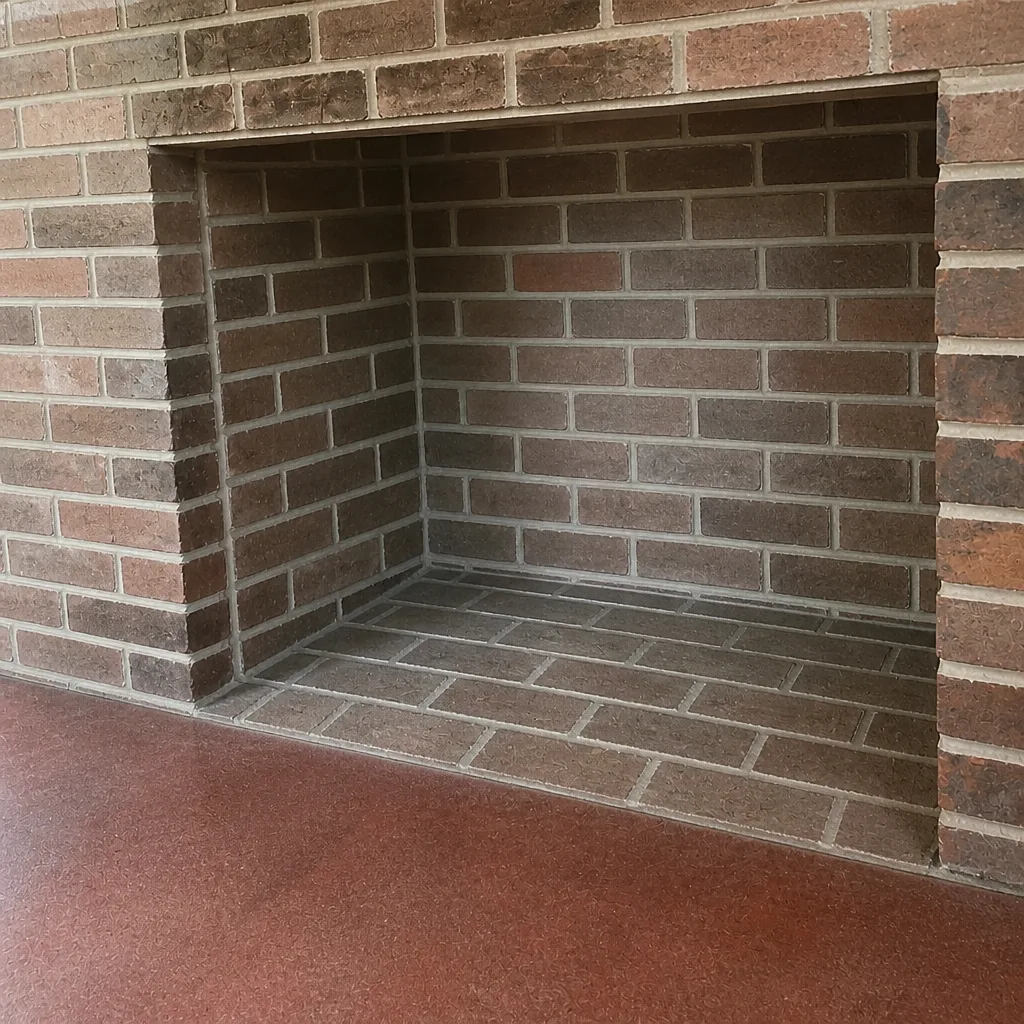
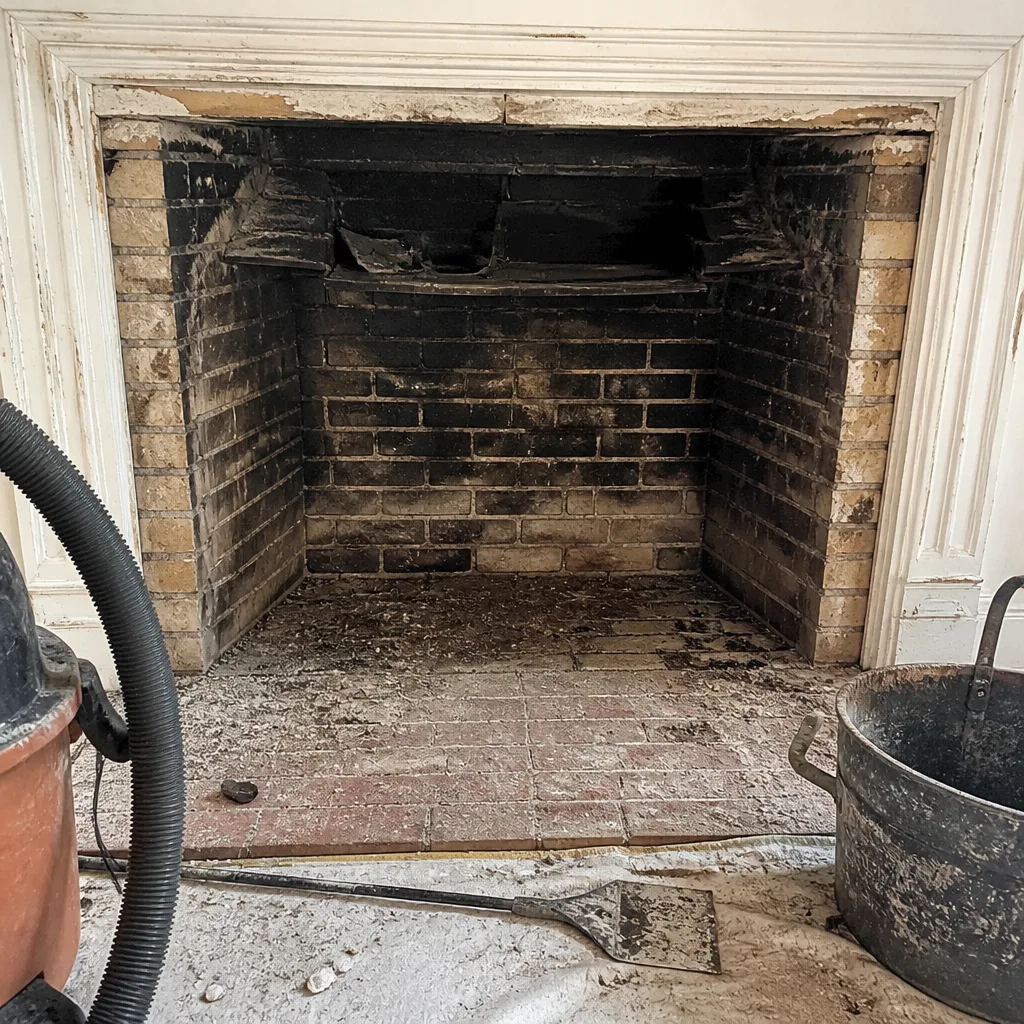
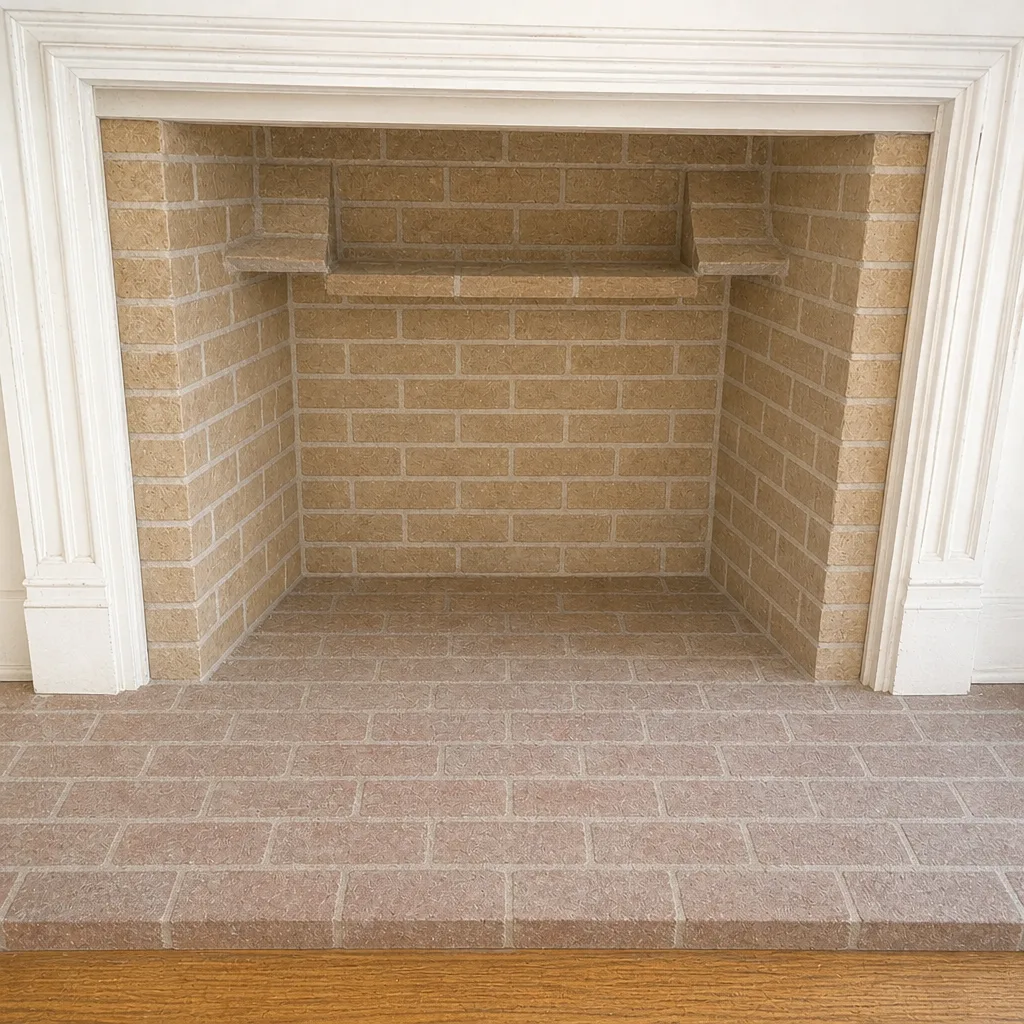
See the difference
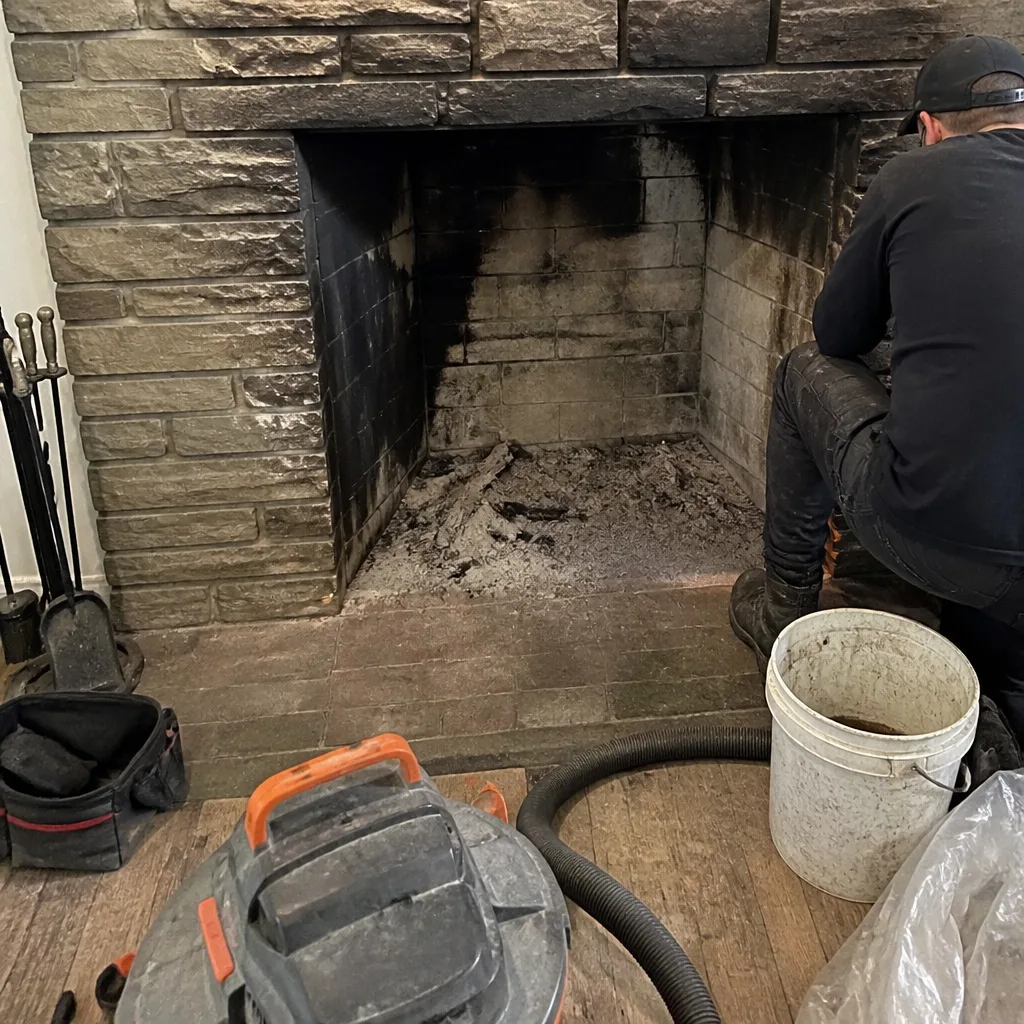 Before
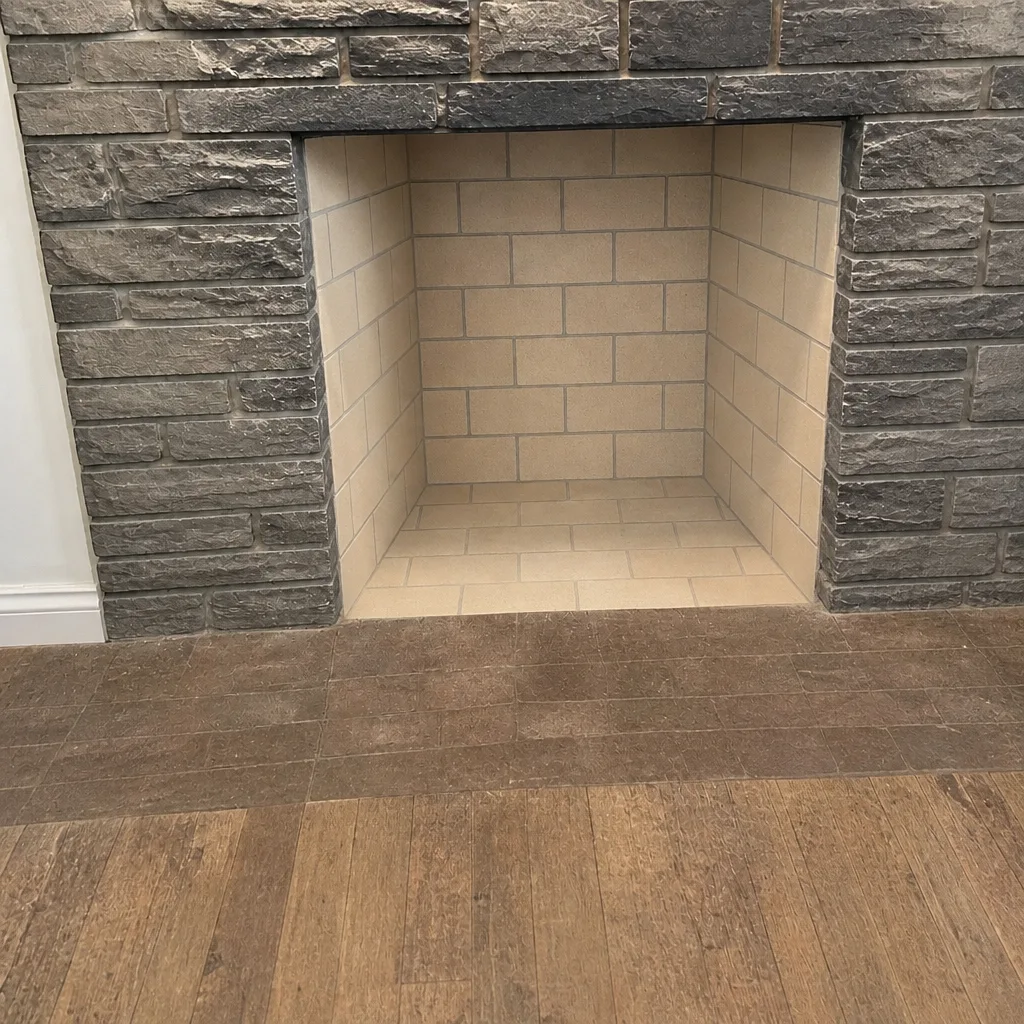 After
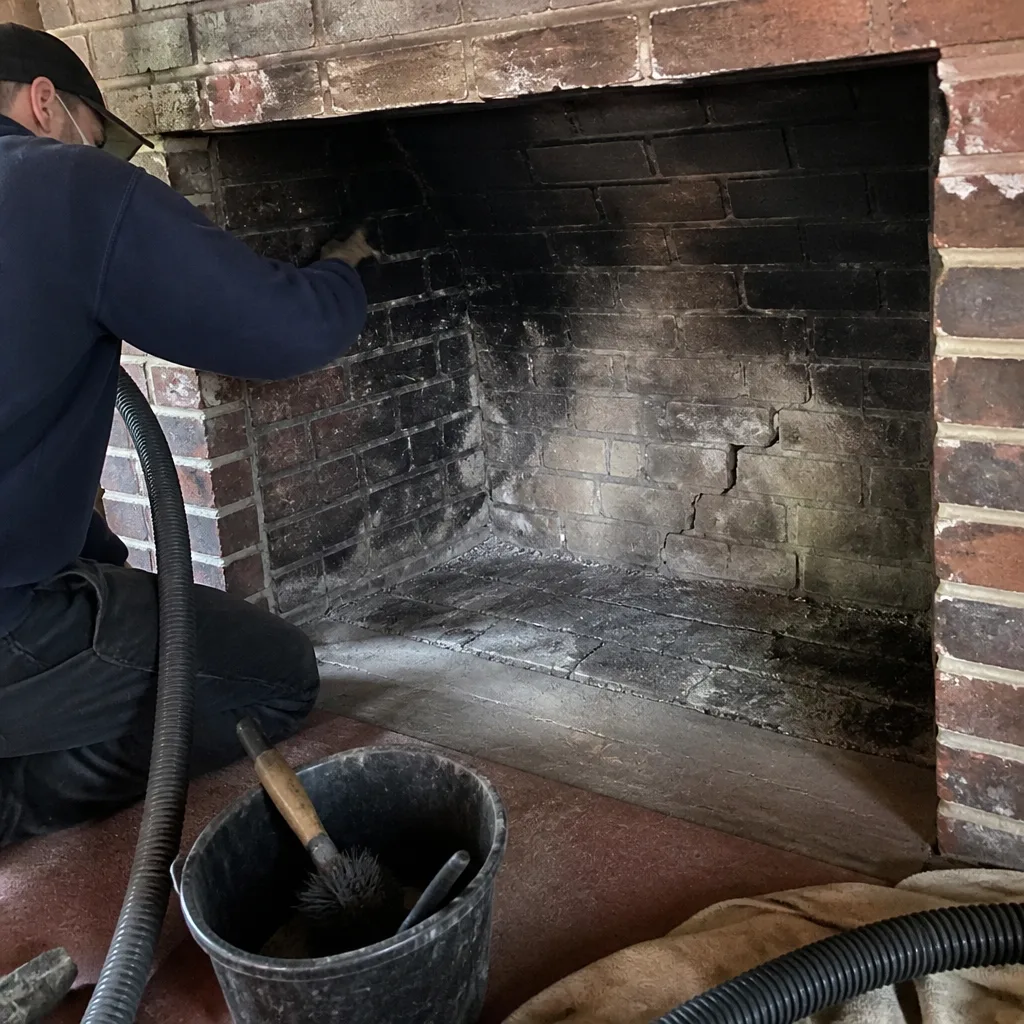 Before
 After
 Before
 After
When to Call a Professional
Call a professional when you smell smoke or creosote inside the living space, when you see white staining on exterior brick, when the fire smokes back into the room after five minutes of burning, when you find soot or debris in the firebox, or when the fire behaves differently than it did last season. Any of these is a signal worth having a trained technician read. The right time to book is before the first fire of the season, not mid-season when the countdown to the holidays is already on. Chimney Sweep Albany offers free estimates in Albany – call (866) 650-9028. Whether you need a chimney repair or a routine sweep, we’ll tell you plainly what can wait and what can’t. We answer 24/7. Fast dispatch from 7am to 7pm, Sunday through Friday.
Frequently Asked Questions
A chimney sweep in Albany typically falls in the low-to-mid hundreds of dollars for a standard sweep, with the final price set per job by the written estimate. An inspection with a camera adds to the scope, and repair work is quoted separately once the camera shows what’s there. Call (866) 650-9028 for an exact quote – estimates are free.
Often not, and that’s the honest answer. A liner replacement is only recommended when the camera inspection shows cracked tiles, failed mortar joints, or heat damage that can’t be brought back to a safe condition with resurfacing. HeatShield ceramic resurfacing restores many deteriorating flues without full replacement, and it’s a service we offer when the flue qualifies. Without camera evidence, no liner recommendation is made. Call (866) 650-9028 to have the flue inspected first.
A chimney used regularly for wood burning should be swept once a year, or sooner if you notice creosote build-up, a smell, or a change in how the fire draws. Homeowners who burn occasionally with seasoned wood tend to stay on the annual schedule. Gas inserts and appliances still need an annual inspection for venting, even though they don’t produce creosote the way a wood fire does. Call (866) 650-9028 to book a sweep before the season starts.
Skipped sweeps let creosote accumulate to the glazed stage, which is the main fuel source in a chimney fire. Cracked tiles and damaged mortar go unnoticed, and a blocked flue can push carbon monoxide back into the house instead of up and out. None of this is inevitable – it’s the predictable outcome of a flue that hasn’t been inspected. Call (866) 650-9028 to schedule an inspection before the next burn season.
Smoke rolling into the room usually points to low draft pressure, which has two or three common causes: a blockage in the upper flue, a cold chimney that hasn’t warmed up enough to pull, or negative pressure from a tight house competing with other exhaust fans. In Albany, wind-driven backdrafts and tightly sealed homes are frequent culprits. A camera inspection confirms which one you’re dealing with. Call (866) 650-9028 to book a diagnostic.
White powder (efflorescence) is a moisture warning, not a cosmetic detail. It means water is moving through the masonry and depositing salts on the surface, usually through a failing crown, missing cap, or damaged flashing. In Albany’s freeze-thaw climate, that moisture expands inside the brick and can cause spalling if left alone. Call (866) 650-9028 to have the exterior checked before the next cold snap.
The Bottom Line
Chimney warning signs don’t have to be dramatic to be worth acting on. The smell of creosote in the living room, white staining on the brick, a fire that smokes or pops, and cracks in the firebox all describe the same thing in different ways: something inside the flue is doing more than it should. Albany homeowners who read these signals early tend to spend less, not more, because small fixes stay small when they’re caught in time. Inspect first, recommend honestly, repair right. That’s the whole approach. If you don’t want to worry about it from one season to the next, our Chimney Sweep Albany service covers the sweep, the inspection, and the repair under one call. We work with professional brands like Gelco, Olympia Chimney, Famco and Copperfield, and our technicians have up to experience.
Call (866) 650-9028 for a free estimate and a same-day sweep when you need it. We answer 24/7. Fast dispatch from 7am to 7pm, Sunday through Friday. Even if you’re outside Albany in a nearby community like Voorheesville, chimney sweep and chimney repair visits are handled by the same team from start to finish. Let’s confirm what your chimney is telling you before the next fire is lit.
Written by the team at Chimney Sweep Albany.