
Last updated November 15, 2026
 Sweep & inspection
 Caps & crowns
 Flue relining
 Masonry repair
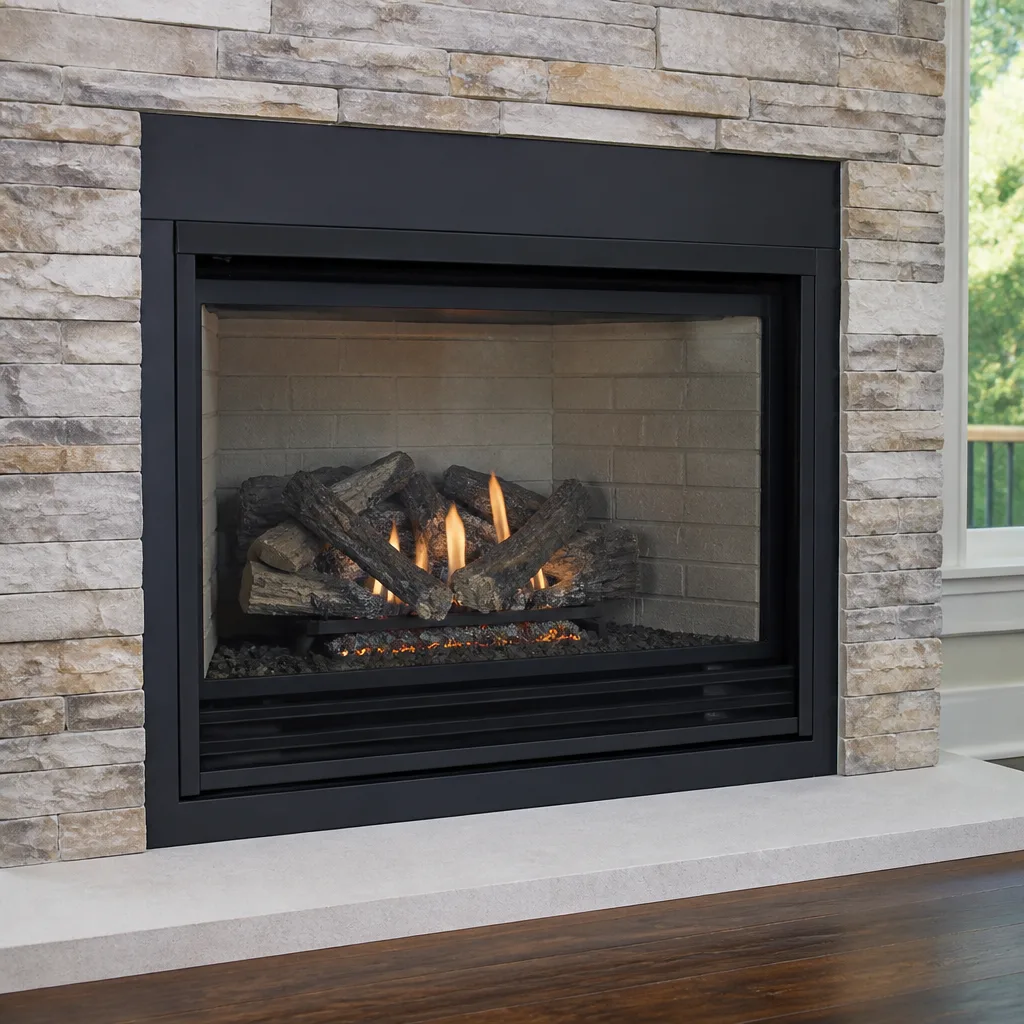 Gas fireplace service
Level 1 sweep and inspection to the NFPA 211 annual standard - flue, crown, cap, and flashing checked and photographed
Chimney sweep logs do not sweep chimneys. They loosen some creosote - which then falls where a brush and vacuum still have to collect it.
Chimney Sweep Maintenance Schedule: What to Do and When
The NFPA recommends an annual chimney inspection, and that advice gets repeated everywhere. What rarely gets said is that the same standard applies whether you burn three fires a winter or three fires a week, and those two chimneys are not in the same condition come March. A calendar month on a wall doesn’t know your fuel, your burn volume, your liner material, or how much rain your crown takes in Albany’s wet springs. This guide replaces the generic sweep schedule with a decision-based framework: how to calculate your real sweep frequency, which tasks belong in fall versus spring, why the post-season window matters more here than the October rush, and how to keep a burn log a technician can actually use.
Quick Answer
Most Albany households burning wood regularly need a sweep once per cord of wood burned, with a minimum of one inspection per year and a sweep whenever creosote reaches 1/8 inch on the flue walls. Fall tasks (before the first fire) focus on readiness and safety; spring tasks (after the last fire) focus on moisture, cap integrity, and structural inspection. The April-to-June window matters more in Albany than the pre-season rush because wet spring weather is when uncapped flues take on the most water damage.
Styles & brands we work with
- Sweep & inspection
- Caps & crowns
- Flue relining
- Masonry repair
- Gas fireplace service
Table of Contents
- Why a Generic Annual Schedule Fails
- How to Calculate Your Actual Sweep Frequency
- Fall Tasks: What to Do Before the First Fire
- Spring Tasks: What to Do After the Last Fire
- Why Albany’s Wet Springs Change the Inspection Calendar
- Liner Material and Inspection Intervals
- Keeping a Burn Log That Actually Helps
- Signs Your Chimney Needs Attention Sooner
Why a Generic Annual Schedule Fails
The annual inspection standard exists because it’s a reasonable floor, not because every chimney degrades at the same rate. Four variables drive how fast a flue actually deteriorates, and none of them are captured by “schedule it every October.”
- Fuel type. Seasoned hardwood produces less creosote than softwood, green wood, or manufactured logs. A household burning kiln-dried hardwood will accumulate deposits more slowly than one burning whatever’s stacked out back.
- Burn frequency. A decorative fireplace used a dozen times a season is a different animal from a primary heat source running daily from October through March.
- Liner condition. A sound stainless liner sheds deposits differently than a clay tile flue with spalled mortar joints, which catches and holds creosote in the cracks.
- Local climate. Albany’s freeze-thaw cycles and wet springs stress masonry in ways a dry climate doesn’t. Water intrusion is a maintenance issue, not just a cosmetic one.
The practical result is that an Albany household burning four cords a season through a clay tile flue may need two sweeps annually, while a gas-insert user in a suburban home with a stainless liner may need one inspection and no sweep at all. A schedule that treats both the same is a schedule that serves neither well.
How to Calculate Your Actual Sweep Frequency
The industry shorthand is simple: one sweep per cord of wood burned. That’s the baseline. From there, adjust upward if any of the following apply. Count your cords honestly – a “cord” is a stacked 4x4x8 foot pile, and most people overestimate. A face cord is one-third of a cord, and if that’s what you’re buying, multiply accordingly.
- Count the cords. Total the full cords burned last season. If you’re not sure, estimate conservatively low and inspect early.
- Check the wood. If your wood was seasoned less than six months or feels heavy and damp, treat the total as higher than the raw cord count.
- Note the liner. Clay tile flues require more frequent sweeps than stainless. Cast-in-place and HeatShield-restored flues sit somewhere in between.
- Multiply or divide. One sweep per cord is the floor. Heavy users or damp-wood burners may need sweeps at every cord and an inspection between. Light users (under one cord) can often stretch to one sweep every other year with an annual visual inspection.
- Inspect at 1/8 inch. Whatever the math says, if a technician finds 1/8 inch or more of creosote, it gets swept. That’s the industry threshold for a hazardous deposit.
For most Albany households, that means one sweep per year is the floor, not the ceiling. If you’re on the fence, book an inspection through Chimney Sweep Albany and let the flue condition dictate the answer instead of the calendar.
Fall Tasks: What to Do Before the First Fire
Fall is about readiness. The goal is to walk into your first fire of the season knowing the chimney is clear, the cap is intact, and nothing has changed structurally over the summer. Doing this in the wrong order (say, sweeping before checking the cap) can leave you sweeping twice.
- Visual exterior check. From the ground, look at the crown, the cap, and the flashing. Cracked crowns, missing caps, and loose flashing are common after a summer of thunderstorms in Albany.
- Book the inspection. A proper inspection includes a camera view of the flue. Get this scheduled before the October rush if you can. Fall calendars fill fastest.
- Sweep if needed. If creosote is at threshold, sweep. If it’s minor, an inspection record is enough.
- Check the damper. Open, close, repeat. A damper that sticks can be a sign of rust or debris, and in Albany’s humid summers, dampers seize more often than people expect.
- Chimney cap integrity. A missing or damaged cap is the single biggest driver of water damage in this climate. If yours is failing, replacing it with a Famco or Copperfield unit at this stage is easier than doing it in a spring rain.
- Test a small fire. Before the first real burn, run a small fire to confirm draft and smoke behavior. If smoke rolls into the room, stop and call.
Fitting this into a fall routine is straightforward. A chimney sweep done in September or early October is a safer, cheaper position than scheduling one after the first cold snap when everyone in the region calls the same week.
Spring Tasks: What to Do After the Last Fire
Spring tasks are about catching what the winter did. The order matters here more than in fall, because doing an inspection before the moisture has settled out of the masonry can produce a misleading read on the crown, the mortar, and the flue interior.
- Wait for a dry window. Give the chimney a week or two of dry weather after the last fire before inspecting. Reading a wet chimney tells you about rain, not about condition.
- Sweep if the fall sweep was skipped or you burned heavily. November-through-March accumulation is the worst of the year.
- Camera inspection of the flue. This is the pass that catches spalled tiles, failed mortar joints, and hairline cracks before the freeze-thaw cycles of next winter widen them.
- Crown and flashing check. Look for new hairline cracks, missing mortar, or gaps where the chimney meets the roof.
- Cap and damper. Confirm the cap survived the winter wind and that the damper still moves freely.
- Repair while it’s dry. Liner repairs, crown work, and cap replacements are all cleaner jobs when the masonry isn’t saturated. A chimney repair done in May has the whole summer to cure before the next burn season stresses it.
Spring is also when you have the time. Fall bookings stack up. A May inspection gets scheduled in days, not weeks, and it gives you a full summer to plan any repairs you’d rather not do in cold weather.
Why Albany’s Wet Springs Change the Inspection Calendar
Albany’s climate does something to chimneys that a dry-climate schedule doesn’t account for. Spring rains are frequent and steady. Masonry is porous. A chimney without a functional cap and a sound crown absorbs water all spring and into early summer, and that moisture does its damage slowly: spalled brick faces, failed mortar joints, rusted dampers, and (in the worst cases) interior freeze-thaw cracking when the following winter’s cold arrives.
The April-to-June inspection window catches this. It’s after the burn season ends, after the spring rains have had a chance to test your crown and flashing, and before the summer heat dries everything out and hides the evidence. An October inspection sees a chimney that’s been dry all summer; an April inspection sees the one that just got wet.
Uncapped flues are the worst offenders. If your cap has been missing since last fall, the flue has taken a full winter of snowmelt, a spring of rain, and possibly summer thunderstorms on the interior. That’s the scenario where a technician finds rusted dampers, damaged clay tiles, and interior stains that would have been caught in a single 20-minute inspection the year before.
Homes in the older Hill neighborhoods and around the Voorheesville area often have original clay tile flues with crowns that have seen decades of this cycle. Ours have up to experience reading exactly this failure pattern, and we’ve learned that treating the post-season inspection as the more important of the two is the difference between catching a problem in May and discovering it in October when it’s already a repair.
Liner Material and Inspection Intervals
Different liner materials fail in different ways, and matching the inspection interval to the material avoids both over-inspecting and missing a problem. Here’s the breakdown we work from:
- Clay tile liners. The most common liner in older Albany housing stock. Prone to spalling tiles, cracked mortar joints, and gaps between tile sections. Inspect annually; verify the camera pass. Once a tile cracks, the deposit-catch problem compounds. HeatShield resurfacing is a fit for light to moderate deterioration when the structural integrity of the flue is still intact.
- Stainless steel flexible liners. Durable and easier to keep clean, but they fail at the joints and around the top plate. Inspect annually; look specifically at the top connection and the bottom transition. A DuraFlex system installed to code on an aged chimney turns a high-maintenance flue into a low-maintenance one.
- Cast-in-place liners. The most durable option, but they can develop hairline cracking with heat stress over time. Inspect annually, with a camera check every second or third year unless you’re a heavy burner.
- HeatShield-restored flues. The ceramic resurfacing restores a functional flue surface without full replacement. Once restored, treat it as a clay tile flue for inspection purposes – annual, with a camera check.
The inspection interval is the same on paper. The reason for it is different for each material, and knowing which is in your chimney saves everyone time. For homes in Voorheesville and similar older housing stock, clay tile is the usual starting point – and often where a HeatShield or DuraFlex conversation begins.
Keeping a Burn Log That Actually Helps
“We use it pretty regularly” is what a technician hears when there’s no record. It’s not useless, but it’s not diagnostic. A simple burn log – one page, five columns – turns that vagueness into information the technician can act on.
Here’s what to track:
- Date of each burn. Even approximate is better than nothing. A column of dates tells you your actual burn frequency.
- Approximate duration. Was it a two-hour evening fire or a ten-hour overnight burn? Long, slow burns at low draft are the biggest creosote producers.
- Wood type and moisture. “Seasoned hardwood” or “mixed, unsure of moisture” – note what you actually loaded.
- Cords consumed. One entry per cord delivered, and note the date the supply ran out. That’s your annual burn volume, confirmed.
- Anything unusual. Smoke coming back into the room, a smell, a sound, a draft change. Those are the notes a technician wants to see.
Two seasons of burn log turns a maintenance schedule from guesswork into planning. It also surfaces things you’d otherwise forget – say, that the year you got the “well-seasoned” firewood delivered, the chimney needed a mid-season sweep. That’s real diagnostic data.
Signs Your Chimney Needs Attention Sooner
A schedule is a baseline, not a guarantee. Some signals override the calendar and warrant an inspection now, not at the next scheduled window. In our experience in Albany, these are the ones most often dismissed as “probably nothing”:
- Smoke rolling back into the room. Draft problems usually indicate a blockage, a failing cap, or a pressure imbalance. Don’t keep burning through it.
- Chimney odors even when the fireplace is cold. Soot and creosote smell stronger in humid weather. A persistent odor can signal deposit buildup or water intrusion.
- Dark staining on the exterior brick. Staining above the firebox or on the chimney face often points to water penetration or a failing crown.
- Visible creosote at the firebox. If you can see a dark, glossy layer on the firebox or flue walls, it’s already past threshold. Book a camera inspection.
- Rust on the damper or firebox metal. Rust signals water intrusion, often from a failed cap or crown. This is a spring-inspection find, not a fall one.
- Loose or crumbling mortar in the firebox. Heat stress and moisture both cause this. It can also mean the firebox needs rebuilding, which is best caught early.
If any of these apply, skip the schedule and call. Detail matters here, and a technician with the right diagnostic tools – camera inspection, draft measurement – will know within minutes what the condition of the flue is.
Common Mistakes to Avoid
- Sweeping before checking the cap. If the cap is missing or damaged, sweeping pulls dust and moisture into a compromised flue. Check the cap first, sweep second, or do both in the same visit – not in reverse.
- Waiting until October to book the inspection. Fall calendars fill by mid-September. A spring inspection is scheduled in days, not weeks, and gives you the whole summer to handle repairs.
- Treating “no visible problem” as “no problem.” A camera inspection catches spalled tiles, hairline cracks, and mortar joint failure that no flashlight from the firebox can see. Skip it and you’re guessing.
- Burning unseasoned wood to stretch the supply. It produces more creosote, faster. In Albany, where wet springs already stress the chimney, adding fuel-side moisture compounds the problem.
- Assuming a gas insert means no inspection. Gas inserts vent through a flue that still needs periodic inspection. Liner condition, cap integrity, and moisture are still relevant.
- Calling the generalist handyman for flue work. Cap and damper replacement, liner restoration, and flue inspection are specialist work. The wrong hardware-store components on a Famco or Copperfield-grade installation are a step backward.
- Ignoring a single season of staining or odor. One season of “it’s probably fine” is usually how a repairable liner becomes a replacement.
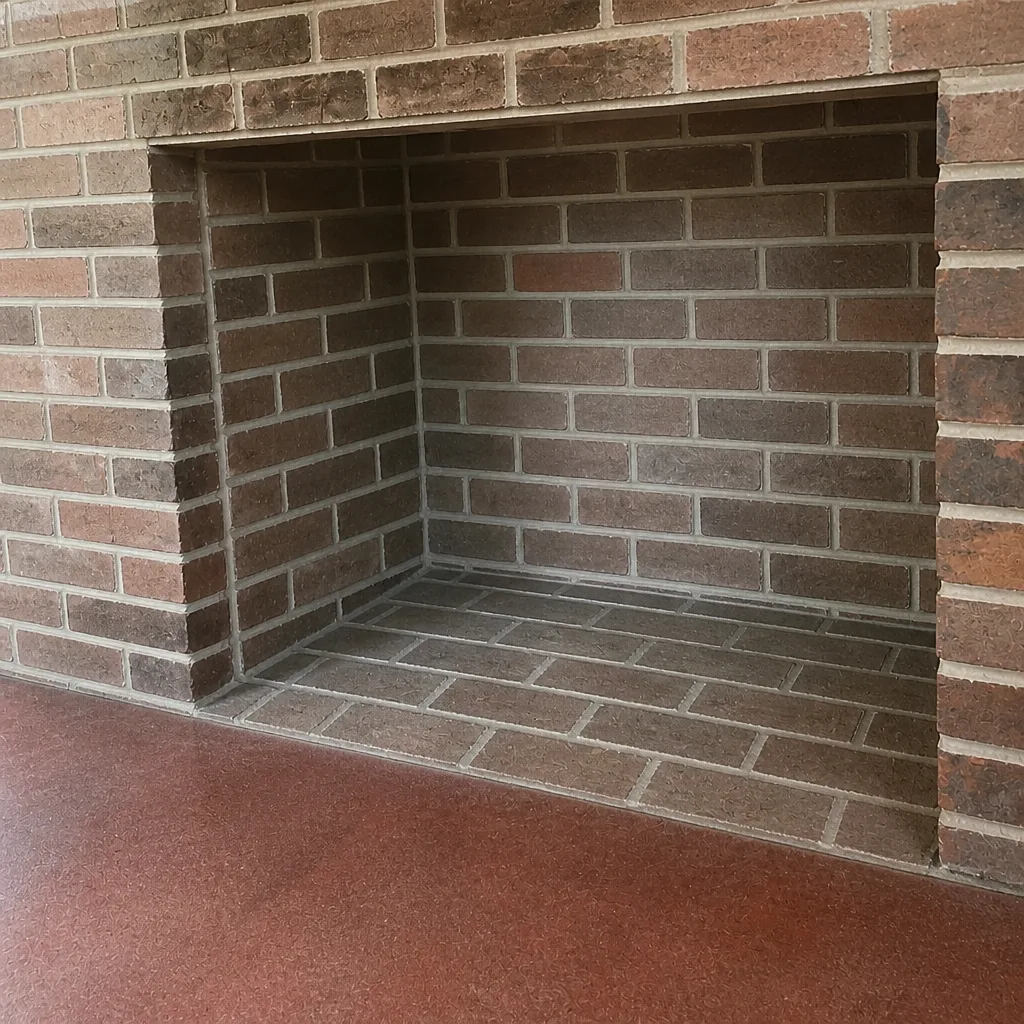
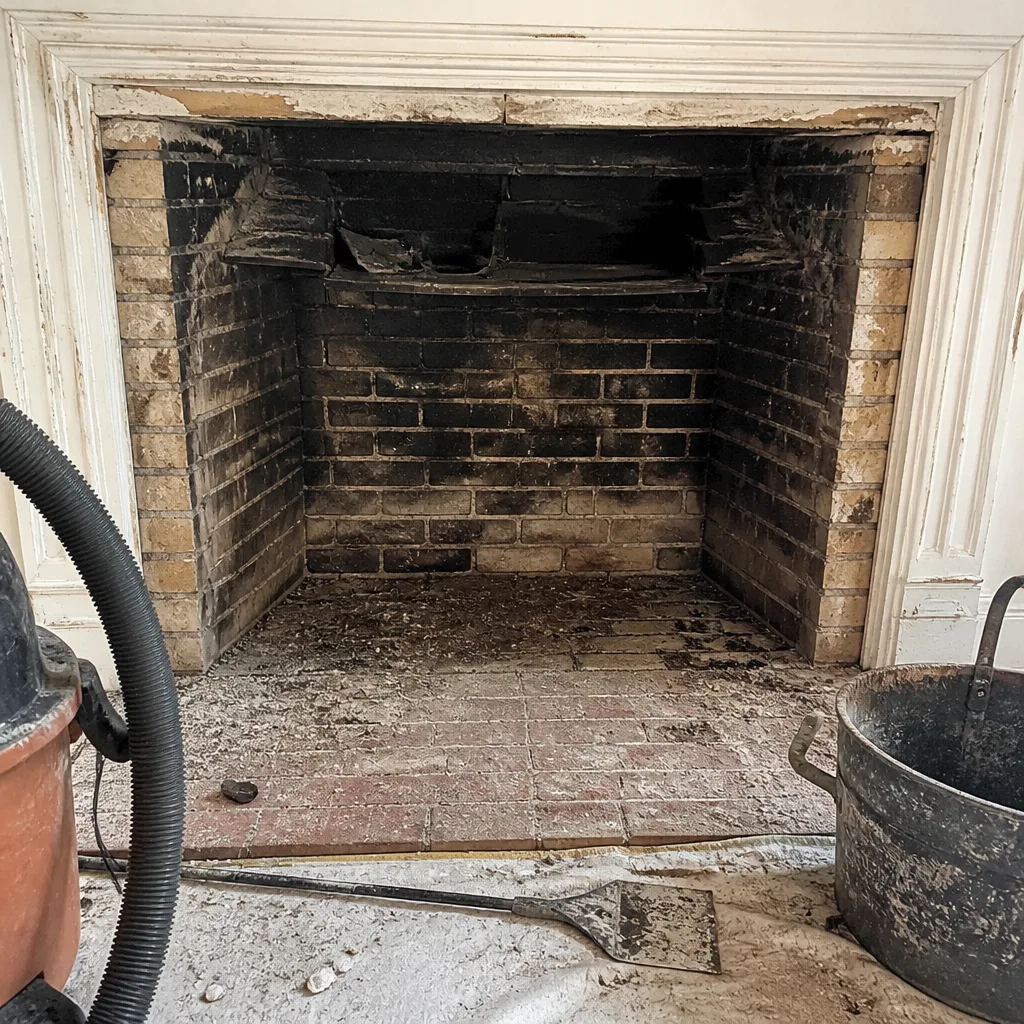
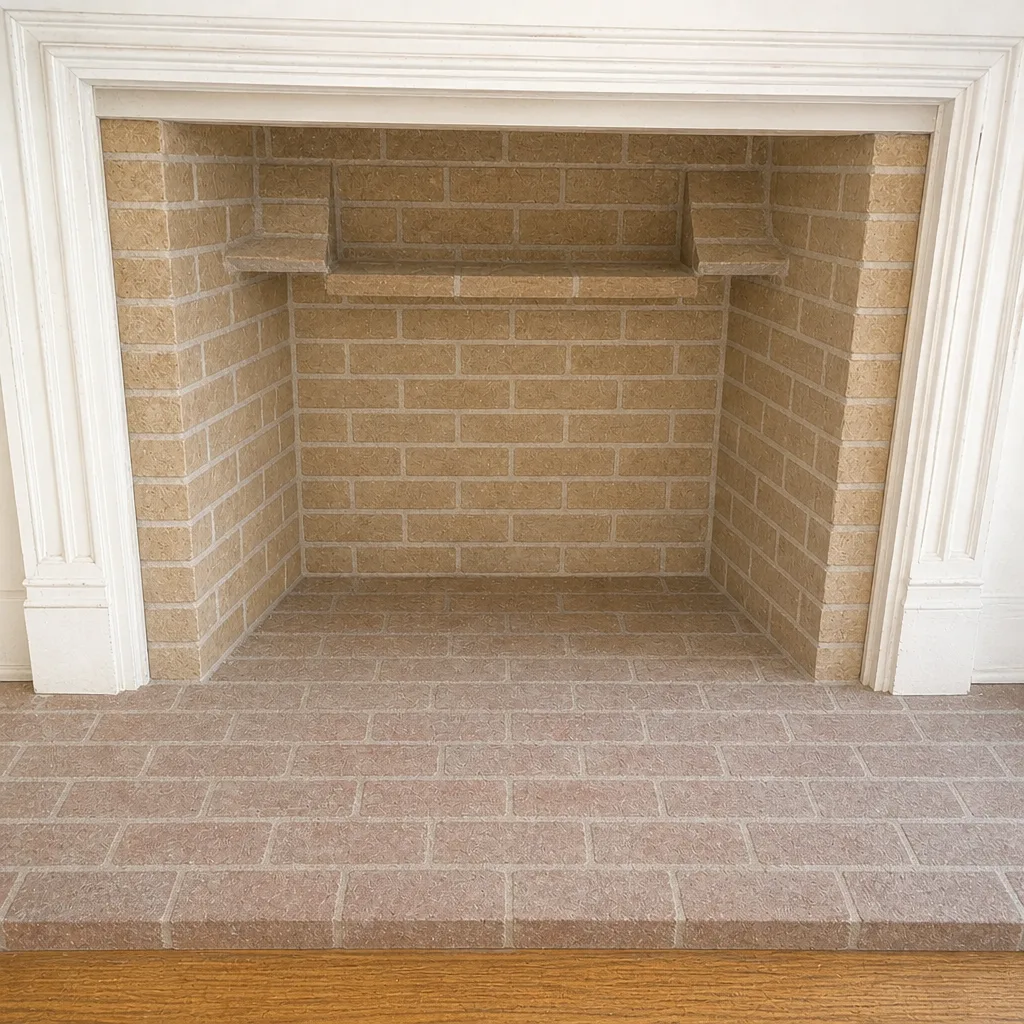
See the difference
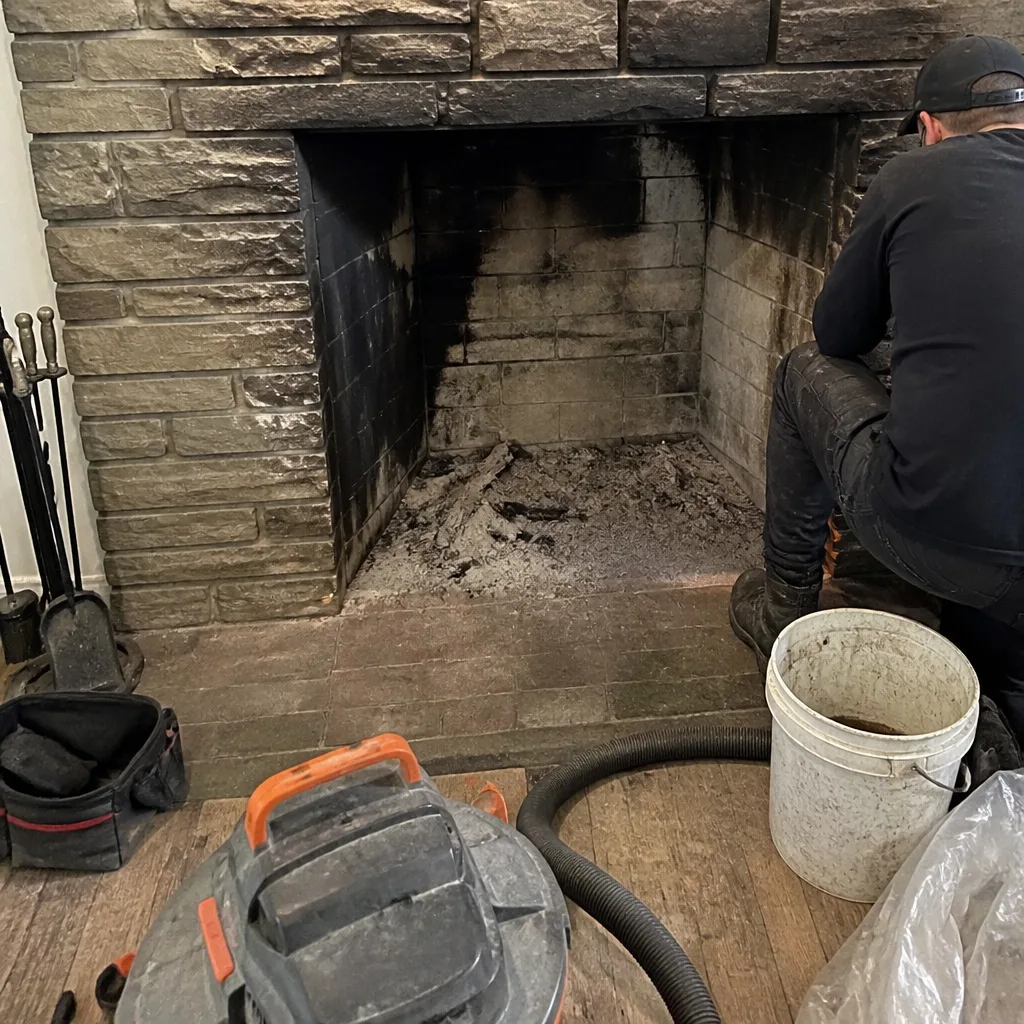 Before
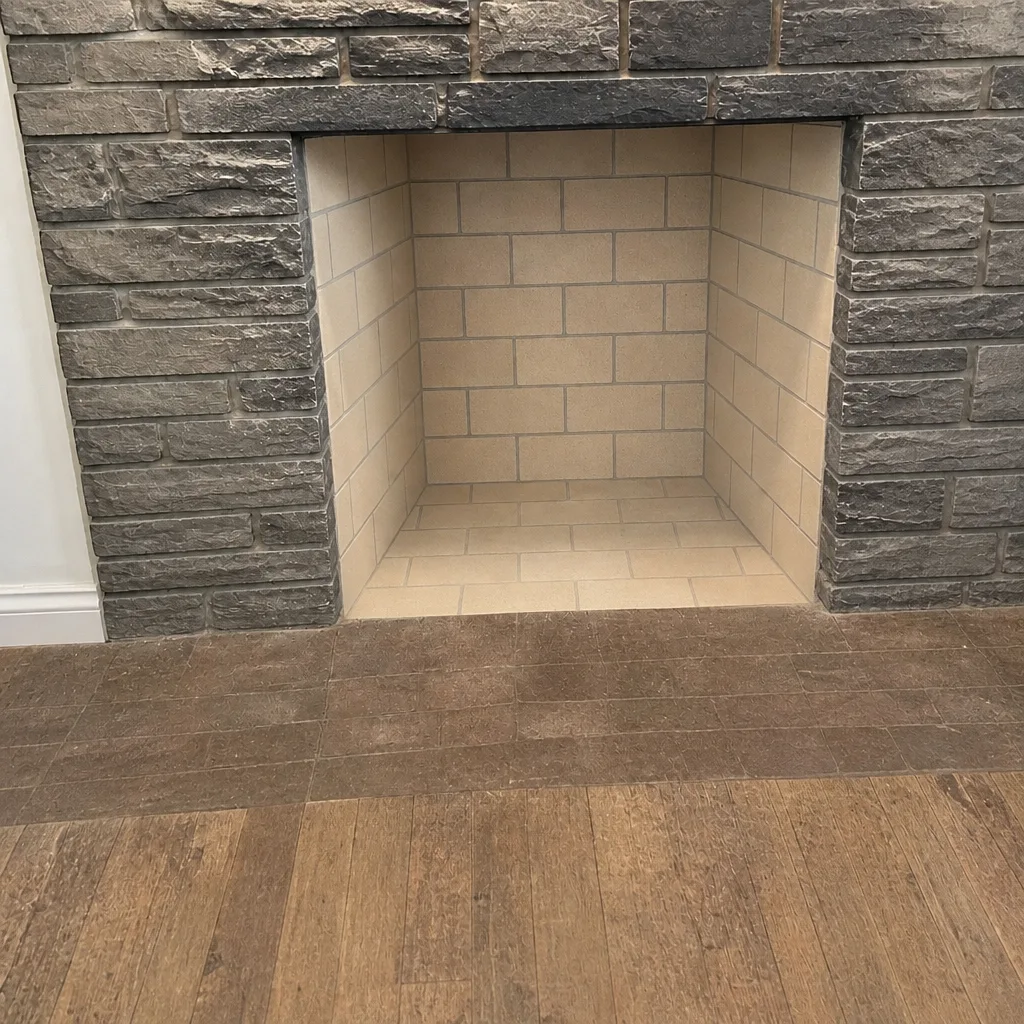 After
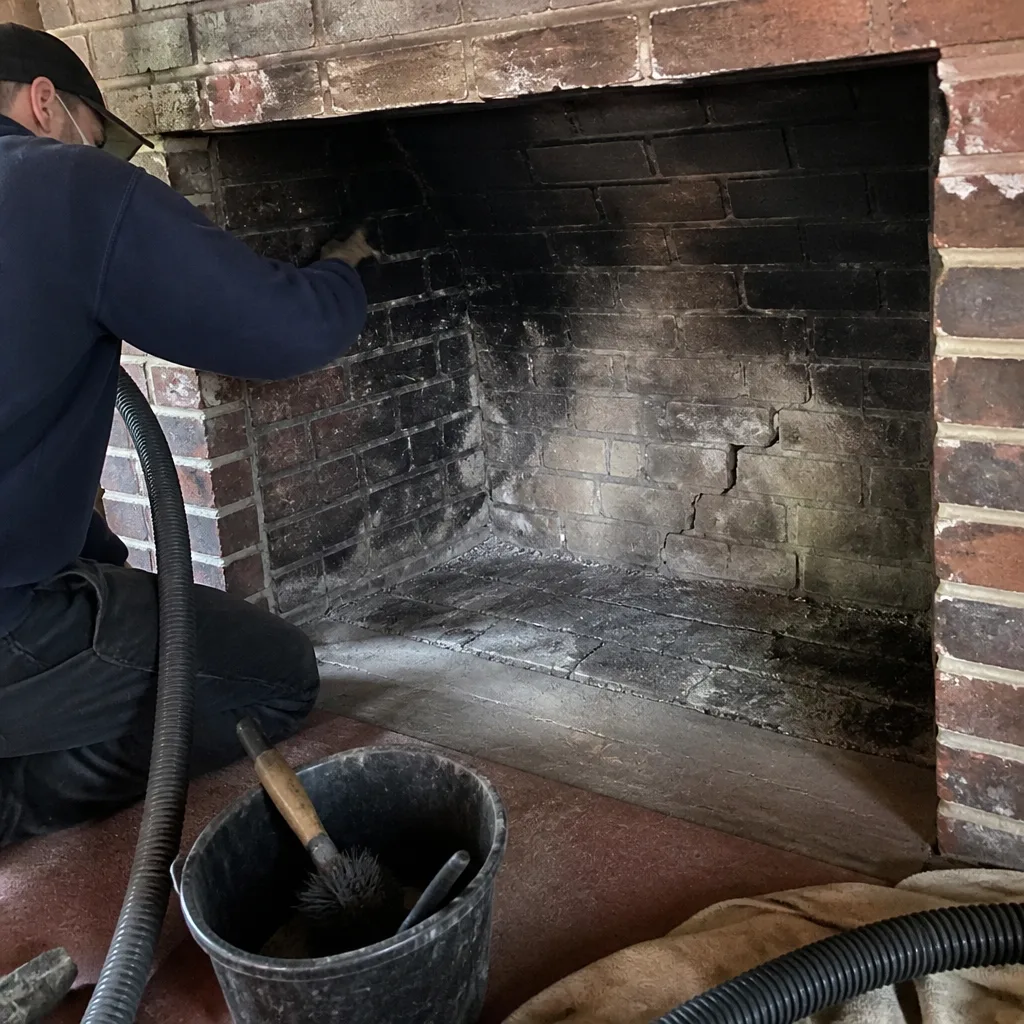 Before
 After
 Before
 After
When to Call a Professional
Some tasks in this schedule are homeowner work: checking the cap from the ground, testing the damper, keeping a burn log. Others need a trained technician with a camera, a draft gauge, and access to professional-grade materials. In our experience in Albany, the calls that should have come sooner usually involve one of these: smoke backdrafting into the room, visible creosote above 1/8 inch, staining or crumbling mortar on the chimney exterior, rust on damper or firebox metal, or a flue with an unknown history (new home, unclear maintenance record). For liner restoration, cap and damper replacement, or any repair beyond a basic sweep, we carry the industry brands – DuraFlex, HeatShield, Gelco, Olympia Chimney – because professional-grade materials, not hardware-store substitutes, are what hold up under Albany’s climate cycles. Chimney Sweep Albany offers free estimates in Albany – call (866) 650-9028 to schedule one.
Frequently Asked Questions
At a minimum, once a year with an inspection even if no sweep is needed. If you burn more than one cord of wood per season, or burn unseasoned wood, one sweep per cord is the working standard. Heavy burners through a clay tile flue may need two sweeps annually. The 1/8 inch creosote threshold overrides any calendar-based count – if a technician sees it, it gets swept. Call (866) 650-9028 for an exact quote – estimates are free.
Yes, because inspection covers more than creosote. It catches water damage, cap failure, mortar deterioration, and crown cracks – issues that appear regardless of burn volume. Albany’s wet springs drive more water-related damage than burn-related damage in most homes. A light-use chimney can pass inspection with no sweep needed. Call (866) 650-9028 for an exact quote – estimates are free.
The most common outcome is not a fire, but liner or masonry damage that could have been caught cheaply. Spalled tiles, failed mortar joints, and a cracked crown compound over two seasons. Water intrusion during the springs finds the weaknesses first. By the time you notice smoke issues or odors, you’re usually looking at repair, not maintenance. Call (866) 650-9028 for an exact quote – estimates are free.
Both are useful, but in Albany the spring window (April to June) is more important. It catches the winter’s damage and the spring’s moisture intrusion before it becomes structural. Fall inspections are valuable as a pre-season readiness check, but they miss the whole wet season. If you can only book one, book the spring. Call (866) 650-9028 for an exact quote – estimates are free.
Gas units still need an annual inspection – the flue, cap, and damper are still subject to moisture and structural wear. The creosote sweep is usually not needed since gas doesn’t produce creosote, but a camera check and cap integrity review still belong on the annual schedule. Call (866) 650-9028 for an exact quote – estimates are free.
A standard sweep plus a camera inspection typically takes about an hour for a single-flue chimney. Repairs, liner work, or cap replacement add time depending on scope. We inspect first, recommend honestly, and repair right – one visit covers sweep, inspection, and any needed hardware. Call (866) 650-9028 for an exact quote – estimates are free.
The Bottom Line
The annual chimney inspection standard is a floor, not a plan. Your actual maintenance schedule depends on how much wood you burn, what kind, what your liner is made of, and how Albany’s climate treats the masonry through freeze-thaw and spring rain. Sweep once per cord. Inspect once a year regardless. Do the fall tasks before the first fire and the spring tasks after the last, and treat the April-to-June window as the one that matters most in this region. Keep a burn log, watch for the signs that override the schedule, and use professional-grade materials when repairs are needed. One call covers sweep, inspection, and repair – no runaround. Call (866) 650-9028. We answer 24/7. Fast dispatch from 7am to 7pm, Sunday through Friday.
Written by the team at Chimney Sweep Albany.