
Last updated November 15, 2026
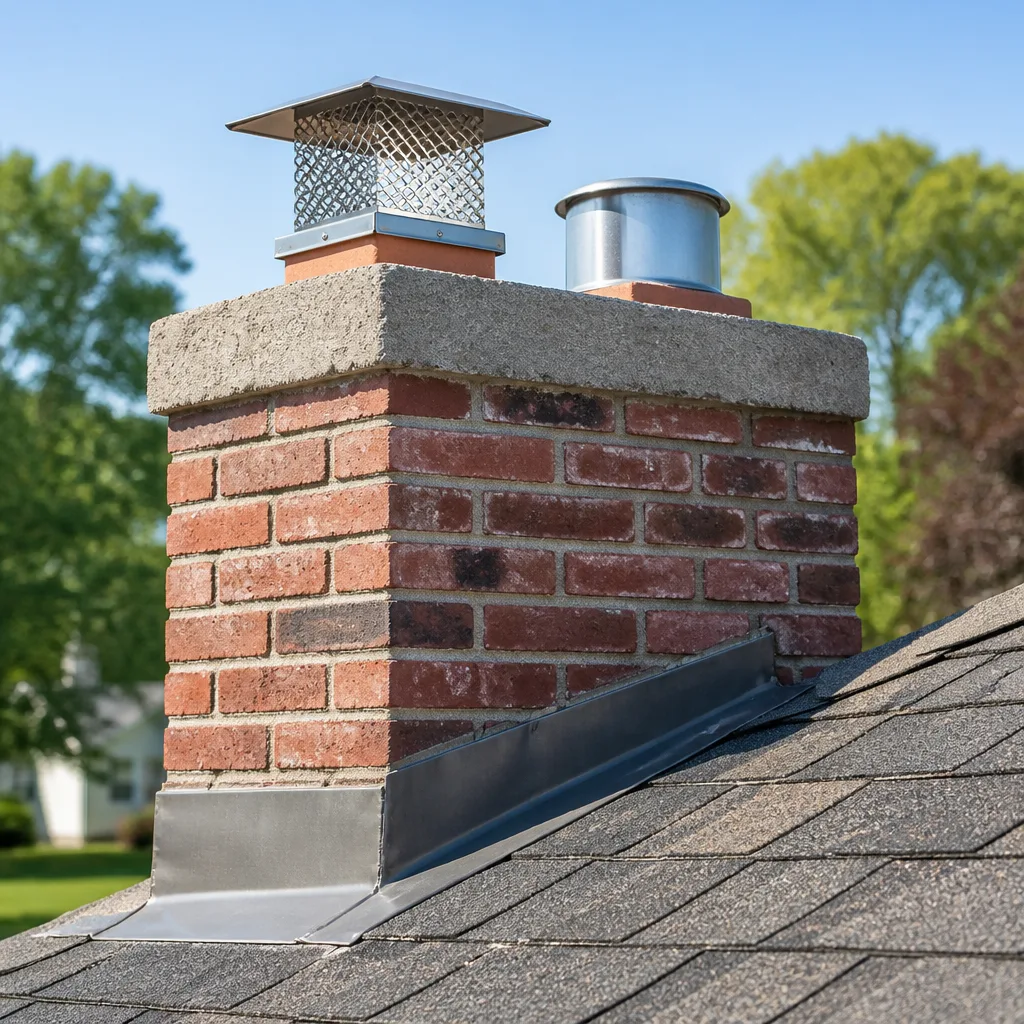 Sweep & inspection
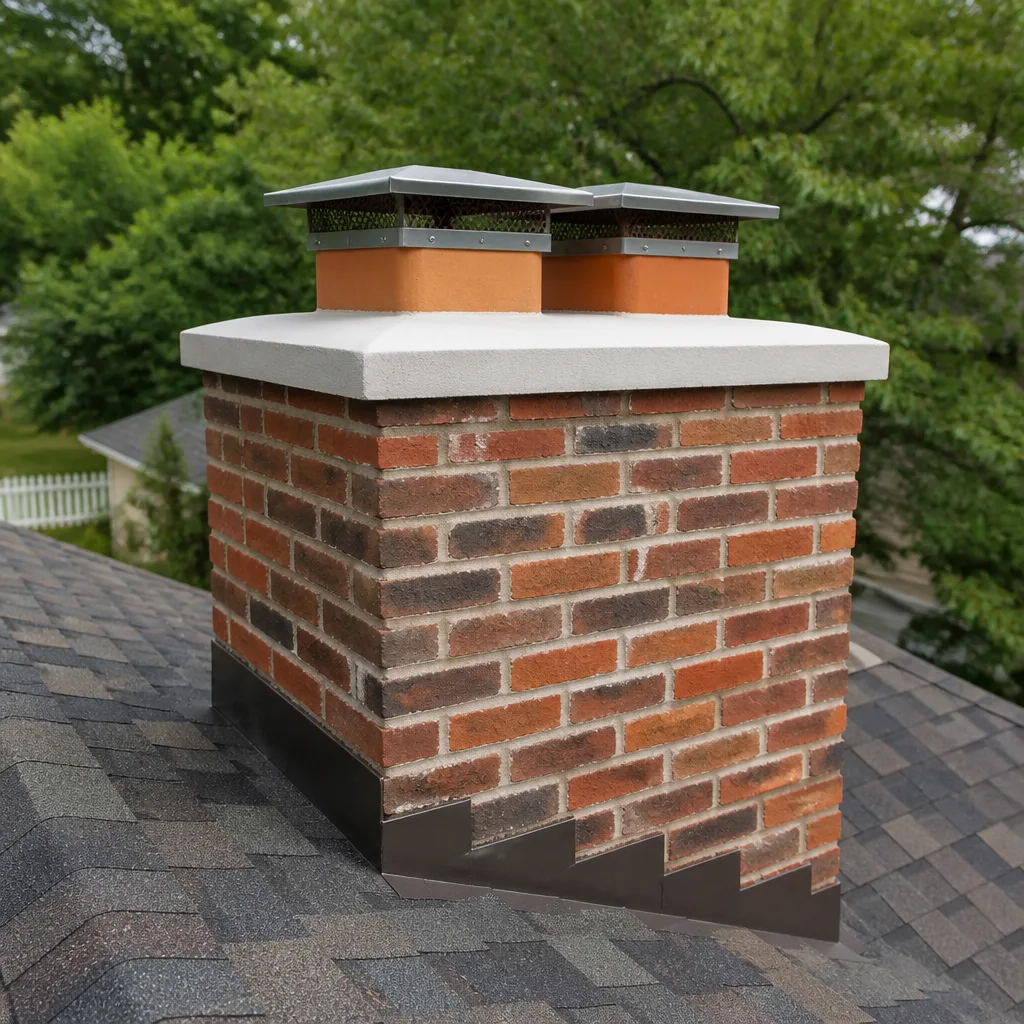 Caps & crowns
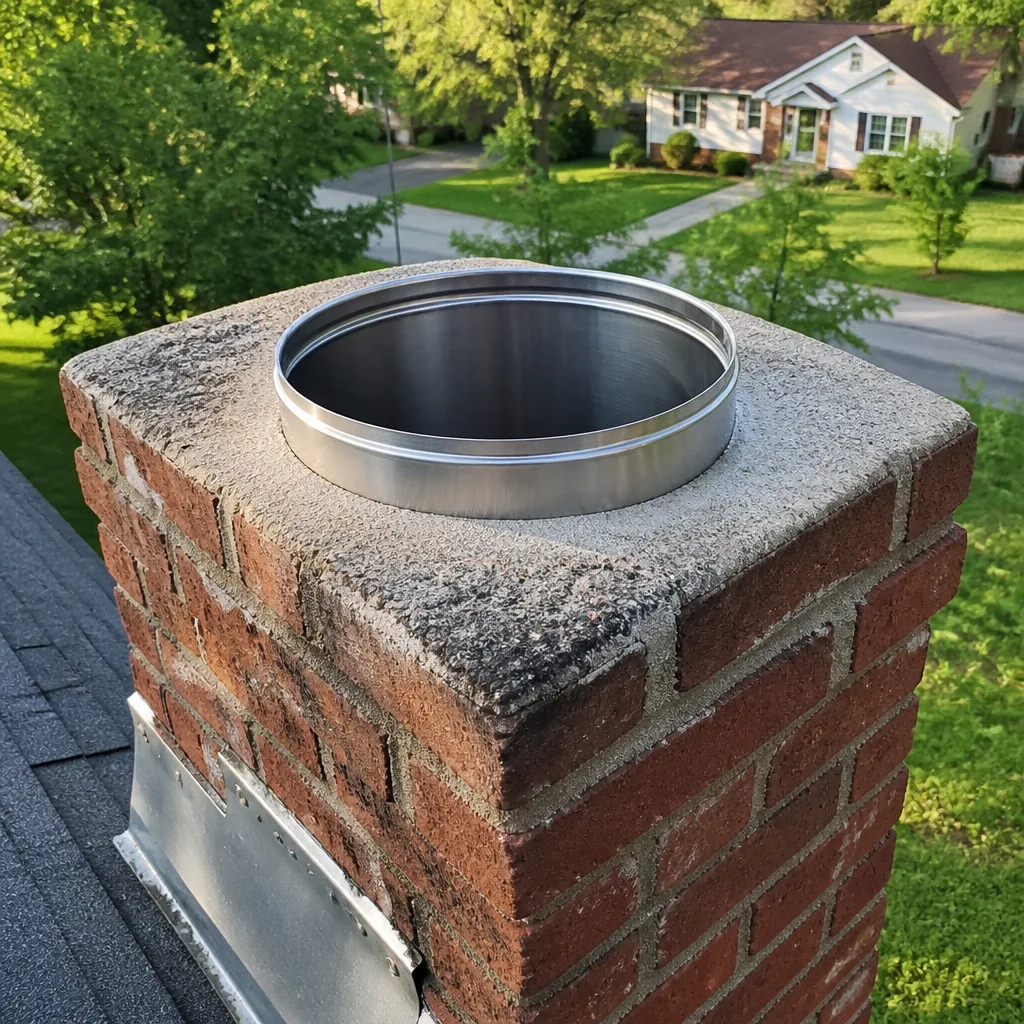 Flue relining
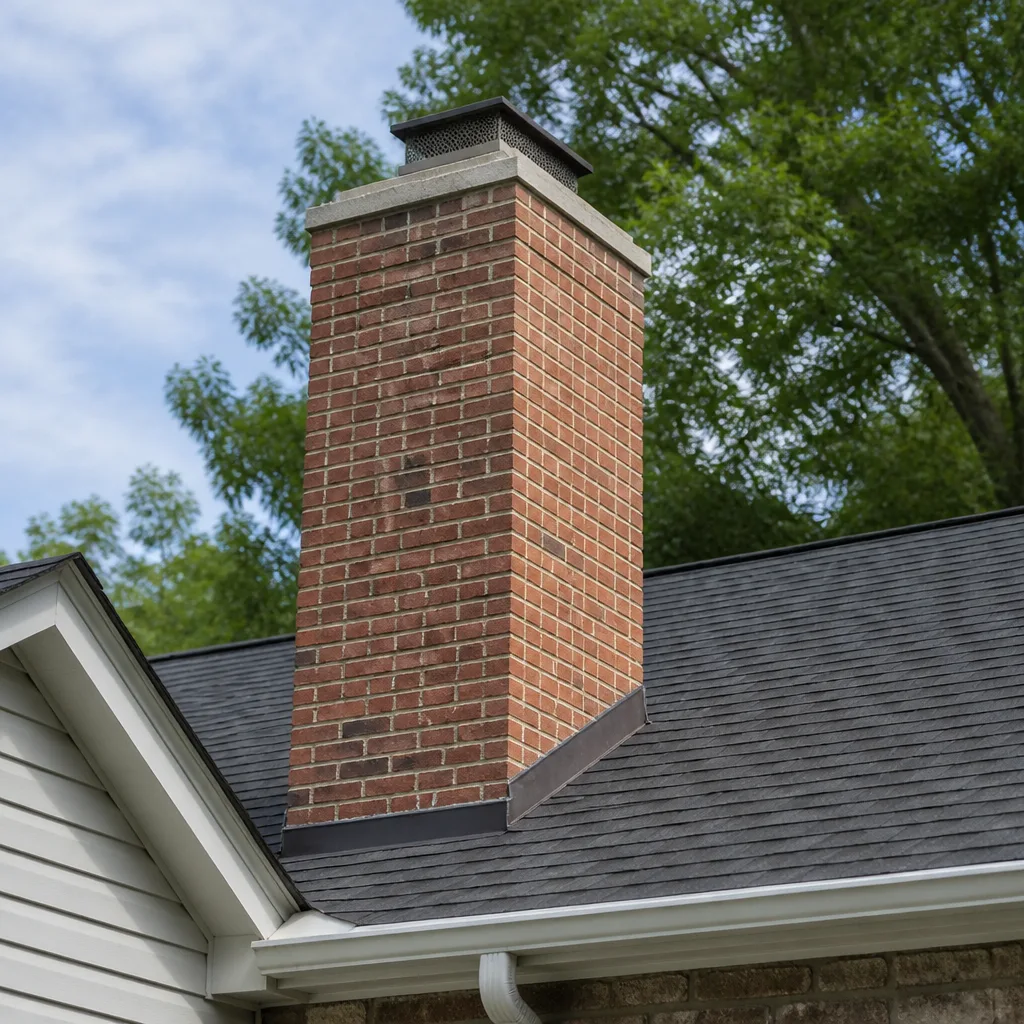 Masonry repair
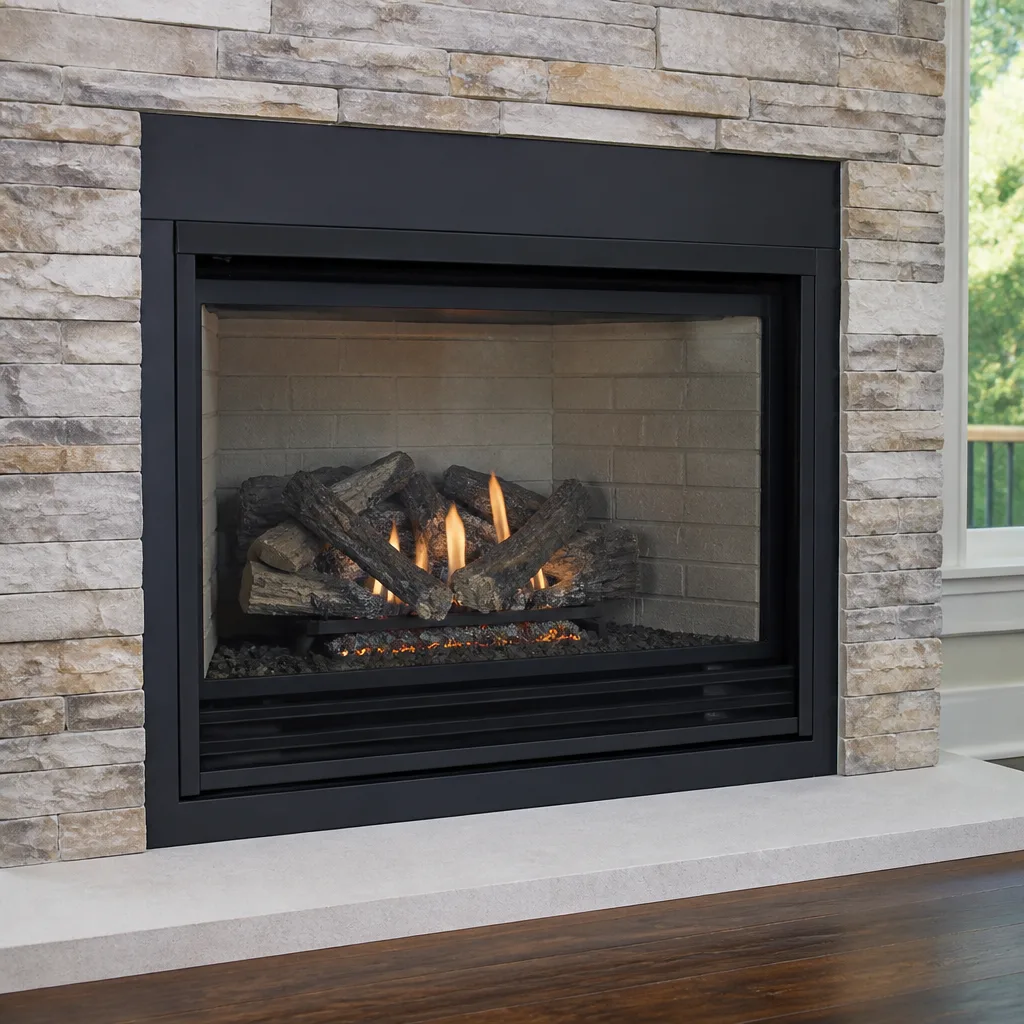 Gas fireplace service
Level 1 sweep and inspection to the NFPA 211 annual standard - flue, crown, cap, and flashing checked and photographed
Chimney sweep logs do not sweep chimneys. They loosen some creosote - which then falls where a brush and vacuum still have to collect it.
Chimney Cleaning Emergency Preparedness Guide for Albany Homes
A chimney fire sounds like a freight train moving through your house, and in the 90 seconds before you call 911, three decisions you make will either contain the damage or extend it. Most Albany homeowners have a winter storm kit and a generator plan. Almost none have rehearsed what to do when the chimney itself is the emergency. That gap matters here more than in most places, because Albany’s cold, long heating season means your flue runs hard for months while ice, squirrels, and raccoons work on it from the outside. This guide covers the two emergencies Albany’s climate actually produces, what to do in the first 15 minutes, and how to be ready before the first fire of the season.
Quick Answer
If you have an active chimney fire, call 911 first, get everyone out of the house, and close the firebox doors and damper if you can do it safely from outside the fire’s path. If you suspect carbon monoxide from a blocked flue, leave the building immediately, call 911, and do not re-enter until the fire department clears it. After either event, a chimney specialist needs to inspect the flue before you burn again – the fire department puts out the emergency, but it doesn’t assess the damage inside the chimney.
Styles & brands we work with
- Sweep & inspection
- Caps & crowns
- Flue relining
- Masonry repair
- Gas fireplace service
Table of Contents
- What to do in the first 15 minutes of a chimney fire
- Carbon monoxide emergencies and blocked flues in Albany winters
- What the fire department handles versus what needs a chimney specialist
- Post-emergency documentation for your insurance claim
- What a Level 3 inspection means after an incident
- The pre-season emergency kit every Albany fireplace household needs
- Preventing the emergency: creosote, blockages, and the pre-season sweep
- How to rehearse your plan before you need it
What to do in the first 15 minutes of a chimney fire
Most people have never rehearsed a chimney fire response, and that’s the problem. When it’s happening, you have seconds to decide, and panic makes those decisions badly. The sequence below is what we want every Albany household to have memorized before the heating season starts.
First, know what you’re looking at. A chimney fire often sounds like a low roar, a freight train, or popping and cracking inside the flue. You may see flames or sparks at the top of the chimney, thick smoke, or a sudden draw that pulls so hard the firebox roars. Sometimes there’s no sound at all and the only sign is a smell or heat on the chimney breast. If you suspect it, treat it as real.
- Get everyone out and call 911. Do this first, before anything else. Once everyone is outside, call 911 and tell them you have a chimney fire. Stay outside until the fire department says the building is clear.
- Close the firebox doors and damper, only if you can do it without putting yourself in danger. Starving the fire of air slows it. If the firebox is too hot to approach or the room is filling with smoke, skip this step. Your safety outranks the house.
- Don’t throw water on it and don’t close the flue from the top. Water on a hot flue can crack masonry, and a closed flue cap traps heat and pressure in the wrong place. Leave the chimney alone once you’re outside.
- Don’t re-enter for belongings. Chimney fires can spread into the framing and attic without obvious signs inside the room. Stay out.
- After the fire department clears the scene, do not light another fire. The flue needs a professional inspection before the next burn. A chimney fire can crack tile liners, warp dampers, and leave creosote ready to reignite.
Those are the five decisions. Get them right and you’ve given the fire department a fighting chance and protected your family. The mistake we see most often is people trying to fight the fire themselves or waiting to see if it goes out. It doesn’t. Call 911.
Carbon monoxide emergencies and blocked flues in Albany winters
Albany’s cold, snowy winters create a specific carbon monoxide risk that most homeowners never think about: a blocked or partially blocked flue. When a chimney can’t vent, combustion gases have nowhere to go but back into the house. In a tightly sealed modern home, that backup happens faster than people expect.
There are two blockage patterns we see repeatedly in Albany. The first is ice and snow. A cap or flue opening that ices over during a freeze can close off the vent entirely, especially during the freeze-thaw cycles that hit the Capital Region in January and February. The second is animal nesting. Squirrels and raccoons love a warm, dry chimney, and a nest built in the fall can sit right where the smoke should exit. Bird nests and debris do the same thing.
Know the signs of carbon monoxide exposure:
- Headaches, dizziness, and nausea that hit several people in the house at once
- Drowsiness or confusion that improves when you leave the building
- A stuffy, stale smell, or soot stains around the firebox or on the chimney breast
- Backdraft – smoke that rolls into the room instead of up the flue when you light a fire
- A CO detector alarm, which you should always treat as real
If you suspect a CO problem, get out and call 911. Don’t open windows and wait to see if it clears. Carbon monoxide is colorless and odorless, and a detector is your only reliable warning. If you don’t have a CO detector on every occupied level of your home, install them before the heating season starts. That’s the single highest-value safety item for an Albany household with any fuel-burning appliance.
If a flue has iced or become blocked, this is not a job for a ladder and a rake. Stay off the roof in winter. A blocked chimney needs a professional sweep and inspection, and until it’s cleared, don’t burn.
What the fire department handles versus what needs a chimney specialist
The fire department and the chimney specialist do two different jobs, and both matter after an emergency. The fire department puts out the fire, checks the building for hidden hot spots, and confirms the structure is safe to re-enter. What it doesn’t do – and shouldn’t be expected to do – is assess the inside of your flue or tell you whether the liner survived.
Here’s how the roles split:
- The fire department handles the active emergency: extinguishing fire, searching for extension into walls and the attic, and clearing the building for occupancy. They’ll also respond to a CO event and confirm the source is safe.
- A chimney specialist handles the post-incident assessment: a camera inspection of the flue, checking for cracked tile, damaged liner, warped damper, or creosote that survived the fire. This is what tells you whether you can burn again and what needs repair.
That’s why calling both matters. The fire department responds to the emergency; the chimney specialist confirms the chimney is actually safe. In our experience, the post-incident inspection is the part homeowners skip, and it’s the part that prevents the next fire. A flue that cracked during a 1,500-degree chimney fire can look fine from the firebox and leak gases into the framing. Only an inspection catches that.
If you’ve just had a fire or a CO scare, schedule that inspection before your next burn. Our Chimney Sweep Albany team can assess the damage and tell you plainly what needs repair and what can wait. We work with the professional-grade brands – HeatShield, Gelco, Olympia Chimney, Famco – because post-fire work is exactly where commodity parts fail.
Post-emergency documentation for your insurance claim
A chimney fire claim goes smoother when you document before anyone touches anything. The insurance company wants evidence of the damage as it happened, and a few minutes of photography after the fire department clears the scene can save weeks of back-and-forth.
Here’s what to photograph:
- The exterior of the chimney and cap from the ground, including the crown and any visible damage or soot staining.
- The firebox and damper area as you found them, before anyone cleans it.
- Soot streaks, cracked tiles, or damaged masonry around the firebox, on the hearth, and along the chimney breast.
- The room around the fireplace – any smoke damage, warped trim, or heat effects on nearby surfaces.
- Any water or extinguishing damage the fire department caused in the course of fighting the fire.
What not to touch: don’t scrub out the firebox, don’t remove the creosote, don’t haul anything away, and don’t try to “clean up” the chimney before the inspection. The adjuster may want to see the interior flue condition and the debris. If you’ve already called a sweep, tell them it’s an insurance inspection and give them the adjuster’s contact so the report matches what the insurer needs.
The most valuable document in the whole claim is the inspection report. A camera-based, photo-illustrated inspection of the flue after the fire is what turns a vague claim into a documented one. If your insurer asks for a Level 3 inspection, that’s the next section.
What a Level 3 inspection means after an incident
A Level 3 inspection is the most thorough of the three chimney inspection levels, and after a chimney fire or a suspected CO incident, it’s often the one an insurer will ask for. It goes beyond a basic visual check: it includes a camera inspection of the flue and, where needed, examination of concealed areas – behind walls, in the attic, or through access panels – to find damage that a standard inspection can’t see.
When a Level 3 is appropriate:
- After a chimney fire, to check for cracked tile, damaged liner, or heat damage to the chimney structure
- After a CO event caused by a blocked or damaged flue
- When a building changes hands and the chimney’s history is unknown
- When a basic inspection finds a problem that needs a closer look
For insurance purposes, the Level 3 report does three things. It documents the damage with photos a camera can’t fake. It tells the adjuster whether the chimney needs a partial repair or a full reline. And it gives the contractor who does the repair a written baseline to work from. That last point matters: the same team that inspects the problem is the team that repairs it, which is why chimney repair starts with a real inspection, not a guess.
The Level 3 isn’t a scare tactic and it isn’t always necessary. If a simple visual inspection shows a clean, intact flue after a small fire, that may be all you need. What we won’t do is recommend a full reline without camera evidence you can see for yourself. That’s the standard we hold to, and you should expect it from any chimney company.
The pre-season emergency kit every Albany fireplace household needs
Before the heating season starts, put three physical items together and keep them somewhere you can reach without thinking. Not in the basement, not in a closet buried behind coats – somewhere on the main floor, near the fireplace, where you’d actually find them in the dark. This is the whole kit:
- A working carbon monoxide detector on every occupied level. Not one in the hallway. One on each level where people sleep, plus one near the fireplace. Test them and replace the batteries before the first cold snap. This is the single most important item in the kit.
- A fire extinguisher rated for a chimney fire, mounted near the fireplace. A standard ABC extinguisher is what the label suggests; keep it where you can grab it fast. Don’t store it on the hearth where heat and smoke can reach it.
- A chimney fire action card. A single index card, taped inside a kitchen cabinet door, with the 911 sequence written out and the number for your chimney specialist below it. When a chimney fire is happening, your brain will not remember the steps. The card will.
Two optional items that earn their place: a bright flashlight in the same spot (for checking the firebox and the chimney exterior at night) and a utility shutoff note – know where your gas and electrical shutoffs are so you can point the fire department to them.
That’s it. Three items plus two optional ones, and you’ve covered the gap between “we have a plan” and “we actually have a plan.” The most common mistake is having the detector but never testing it, or having the extinguisher still in the box from the move. Check both before the season starts.
Preventing the emergency: creosote, blockages, and the pre-season sweep
The best emergency response is a chimney that never becomes one. Most chimney fires we’re called to could have been prevented with one pre-season sweep, because the two causes are predictable: creosote buildup and blockage.
Creosote is the tar-like residue that builds up when wood burns incompletely. It’s flammable, and enough of it in the wrong place will catch. The rate depends on your wood, your burning habits, and how often the flue gets swept. A pre-season sweep clears it before it accumulates. The general industry guidance is once a year for a regularly used fireplace, and more often if you burn a lot of soft or unseasoned wood.
Blockages are the other half of the problem, and Albany’s winters make them more likely. Ice and snow around the cap, animal nesting in the fall, and leaf and debris accumulation all narrow the flue and increase CO risk. A pre-season sweep plus an inspection catches them all.
If your home has an older flue that’s deteriorating, a sweep may turn up more than creosote. That’s where repair options come in. HeatShield is a ceramic resurfacing system for a flue that’s worn but structurally sound – it restores the liner surface without a full tear-out. When the flue is irregular or badly damaged, a DuraFlex flexible liner can be the right call. Both are professional chimney-industry products, and both start with an honest inspection first.
If you’re in a nearby town and want the same pre-season approach, a chimney sweep visit before the first fire does the same work: clear the creosote, check the flue, and confirm the chimney is safe before you need it to be.
How to rehearse your plan before you need it
An emergency plan you’ve never practiced is a wish, not a plan. The good news is that a chimney emergency rehearsal takes about ten minutes and doesn’t need to feel dramatic. Walk through it once with everyone who lives in the house.
- Walk the exit. Show everyone the two fastest ways out of the house, and pick a meeting spot outside – a neighbor’s porch, the end of the driveway. Practice the walk once.
- Point to the detector and the extinguisher. Make sure every person old enough to use them knows where the CO detector is, where the extinguisher is, and how to pull the pin. Kids should know where they are even if they shouldn’t use them.
- Read the action card out loud. The card says: get out, call 911, close the doors and damper if it’s safe, don’t re-enter. Say it out loud once. That’s the whole rehearsal.
- Agree who calls 911. In the moment, people freeze because nobody’s been given the job. Assign it.
- Test the detectors as a group. Press the test button together so everyone recognizes the sound. A detector nobody has heard before is easier to dismiss.
That’s a ten-minute family exercise that works in any home in Albany, whether you’re in a Center Square rowhouse, a Pine Hills two-family, or a house on a quiet street in Voorheesville. The point isn’t to scare anyone. It’s to take a panic-inducing event and turn it into a known sequence.
While you’re at it, check the date on the detectors. CO detectors have a limited service life – replace them per the manufacturer’s instructions. An expired detector is nearly as useless as no detector. Same for the extinguisher: check the pressure gauge and make sure it’s in the green.
Common Mistakes to Avoid
- Trying to fight a chimney fire yourself first. The 90 seconds you spend grabbing a hose are 90 seconds the fire uses to spread. Get out and call 911, then decide about the firebox doors if you’re still safely positioned.
- Waiting to see if the smoke clears before calling. A blocked flue doesn’t un-block itself, and a small chimney fire can grow fast. If you smell smoke or see backdraft, call.
- Skipping the post-incident inspection. This is the most common and the most expensive mistake. The fire department handles the emergency, but only a specialist can tell you whether the flue is safe to use again. An uninspected flue is a re-ignition risk.
- Cleaning up before the adjuster sees it. Scrubbing the firebox or hauling away creosote can weaken an insurance claim. Photograph first, clean later, and get the inspection report in writing.
- Getting on a snowy roof to clear a blocked cap in winter. Albany’s winter roofs are slick and the fall risk is real. A blocked chimney is a job for a professional, not a homeowner with a ladder.
- Relying on the smoke detector as a CO detector. They’re different devices for different dangers. You need both, and the CO detector is the one most Albany homes are missing.
- Burning unseasoned or soft wood to stretch the woodpile. It builds creosote faster and creates the exact conditions a chimney fire needs. The cost of good firewood is smaller than the cost of a chimney fire.
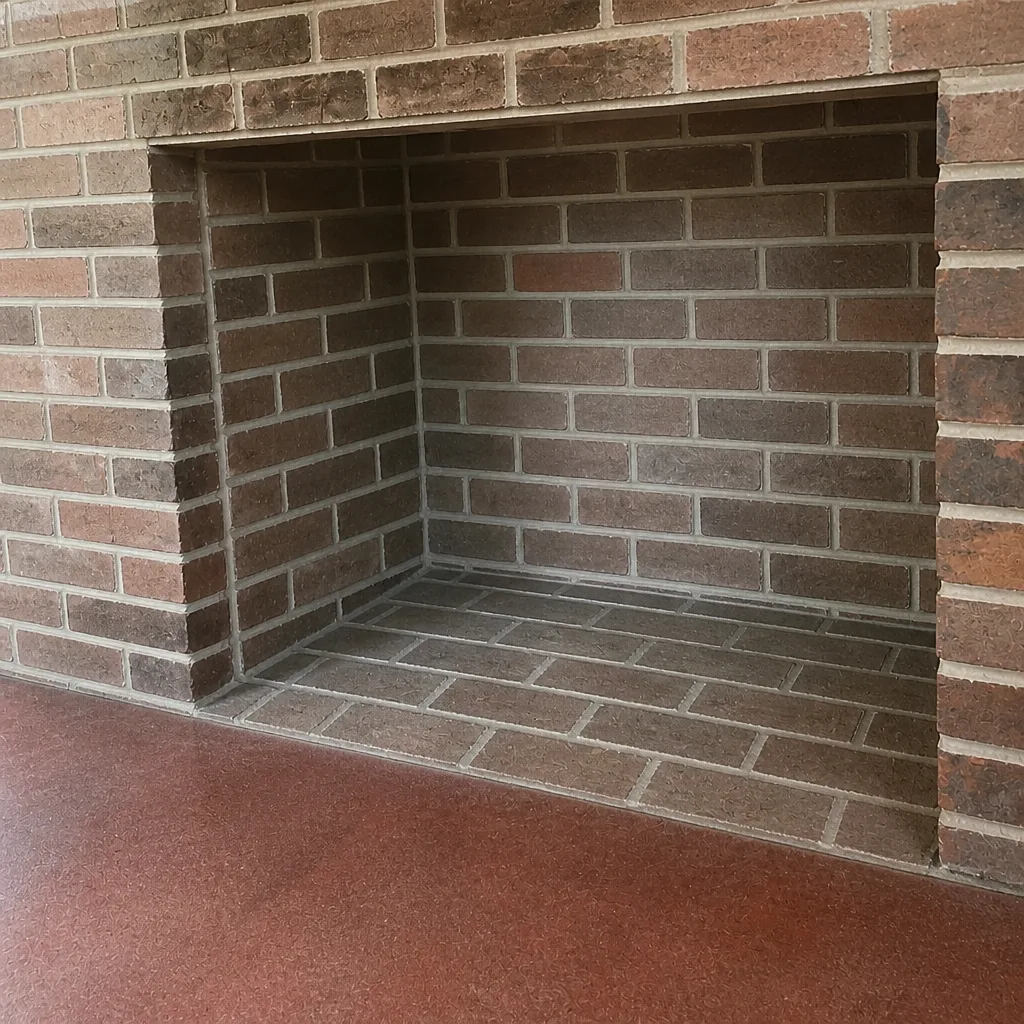
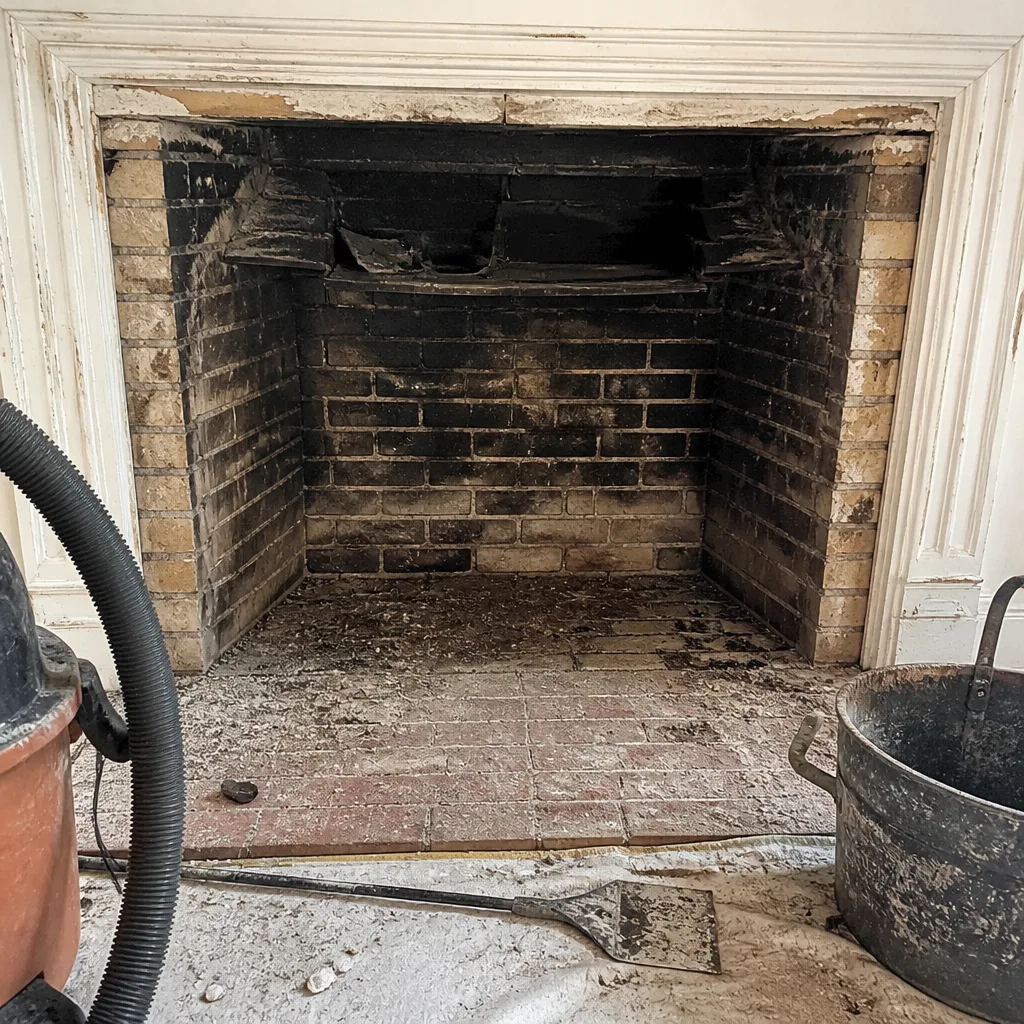
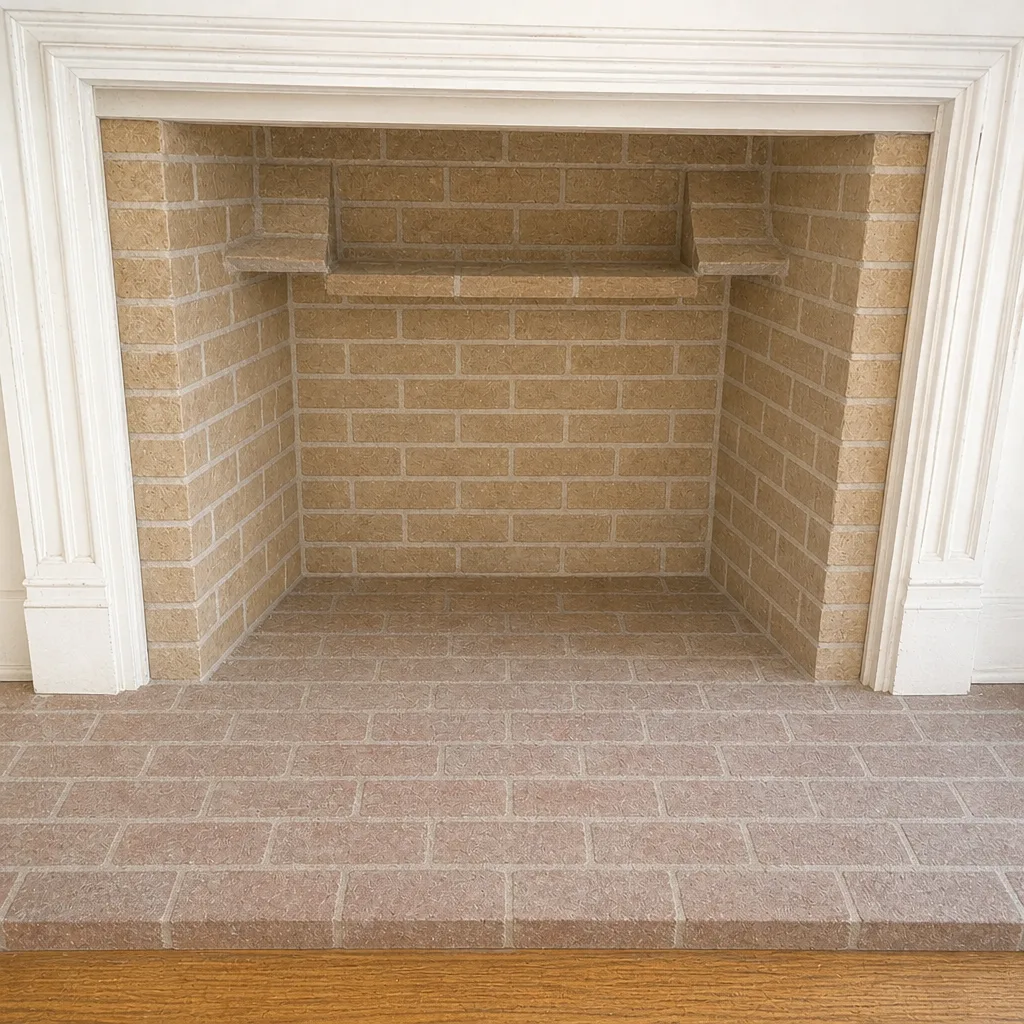
See the difference
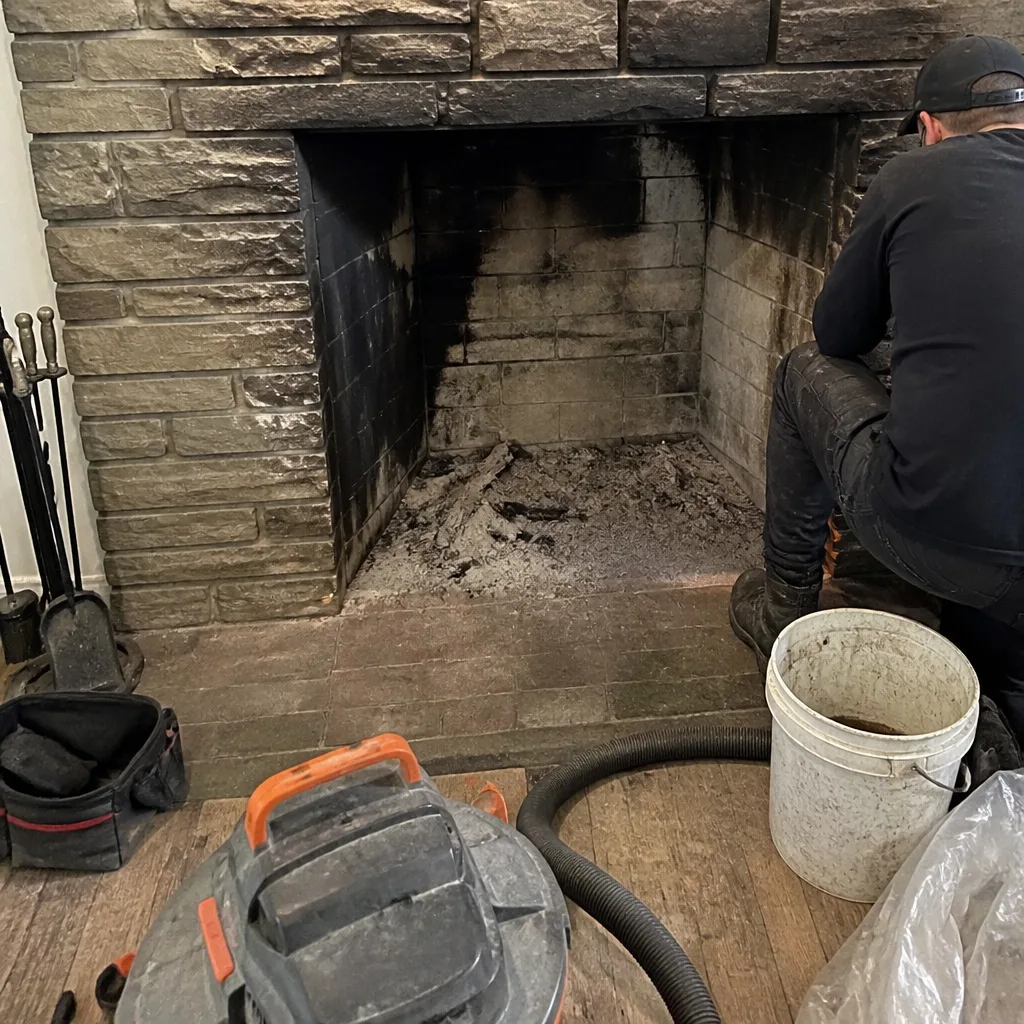 Before
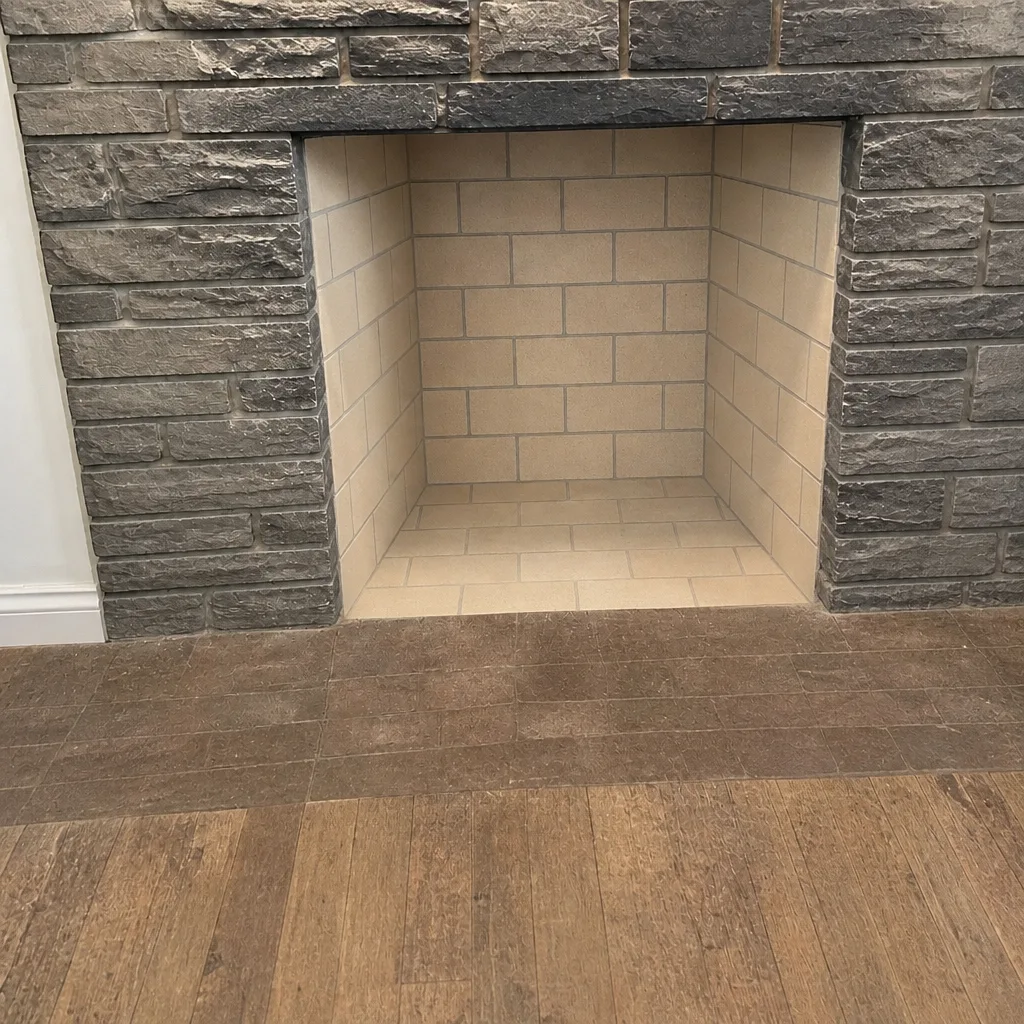 After
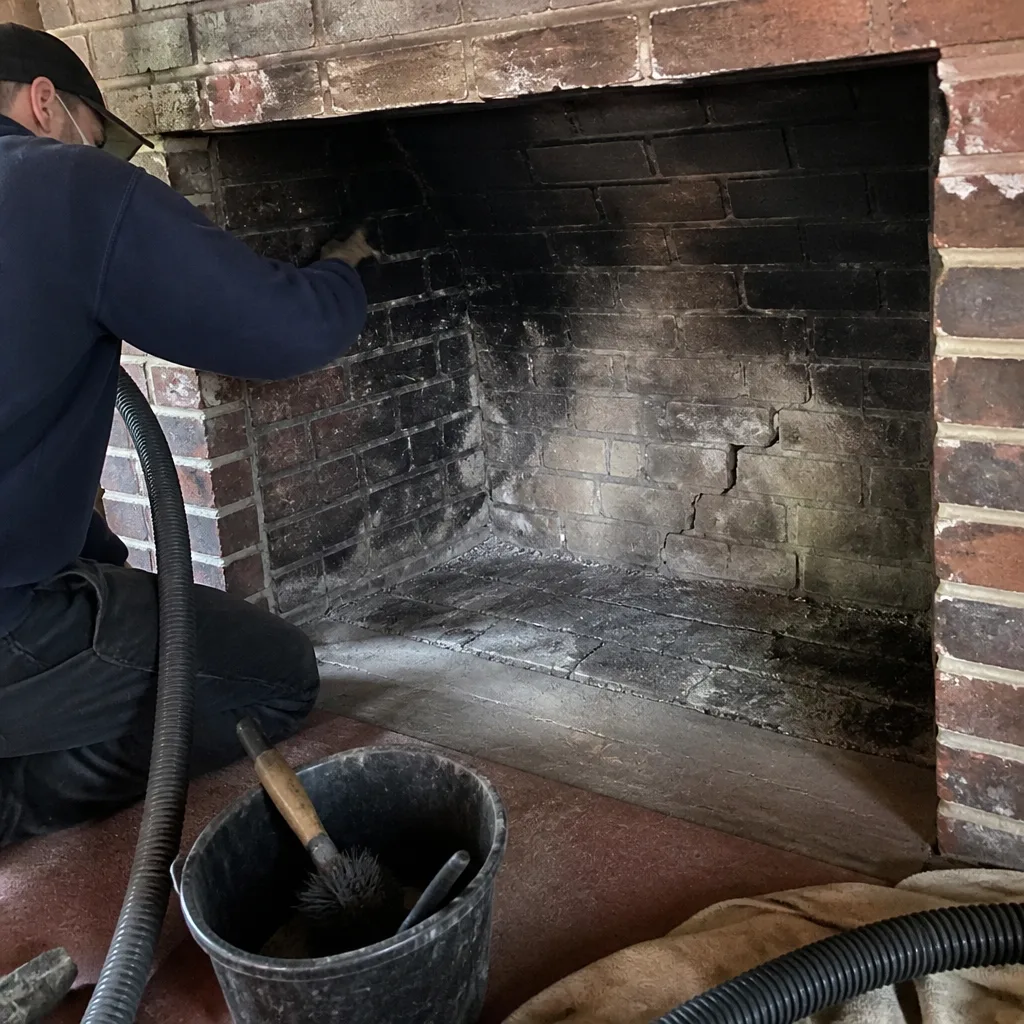 Before
 After
 Before
 After
When to Call a Professional
Call a chimney professional after any chimney fire, even a small one, and after any suspected CO event. Call if you see backdraft, soot staining around the firebox, or a flue that’s iced over or blocked. Call before the first fire of the season if you haven’t had a sweep and inspection, and call if you can’t remember the last time the chimney was checked. A chimney that’s been sitting unused for a year should be inspected before it’s used again, because a nesting animal or a cracked liner doesn’t announce itself.
Chimney Sweep Albany offers free estimates in Albany – call (866) 650-9028. We answer 24/7. Fast dispatch from 7am to 7pm, Sunday through Friday. Our technicians have up to experience, and we handle the sweep, the inspection, and the repair under one roof, so you’re not handed off between companies. One call covers it all.
Frequently Asked Questions
Call 911 first, then get everyone out of the house. Once everyone is outside, close the firebox doors and damper only if you can do it safely from outside the fire’s path. Don’t try to fight the fire yourself, don’t throw water on it, and don’t go back inside for belongings. The fire department clears the building; a chimney specialist inspects the flue afterward.
A standard chimney sweep in the Albany area typically runs as a per-job estimate based on the flue, access, and creosote condition, and we set the final price with a written estimate before any work starts. There’s no service-call fee, and the estimate is free. Call (866) 650-9028 for an exact quote.
Often yes. A Level 3 inspection includes a camera inspection of the flue and checks concealed areas where heat damage can hide, which is what an insurer needs to document a claim after a fire. A basic visual inspection is enough for a small fire with no visible damage; the Level 3 is what you want when the fire was significant or the flue’s condition is uncertain. Call us and we’ll tell you plainly which level your situation needs.
A blocked flue can’t vent combustion gases, so they back up into the house, and in Albany’s freeze-thaw winters the two common causes are ice around the cap and animal nesting built up in the fall. A CO detector on every level is your reliable warning. If it alarms or several people in the house feel headaches, dizziness, or nausea at once, get out and call 911.
No. Clearing a blocked chimney means getting on a snowy, icy roof or reaching into a flue you can’t fully see, and the fall and burn risks are real. This is a job for a trained professional with the right equipment. Call us instead of climbing.
You may be burning in a flue that cracked during the fire, and a cracked liner can leak smoke and carbon monoxide into your home’s framing. The fire department confirms the building is safe to re-enter; only a chimney specialist confirms the flue is safe to use again. Skipping the inspection is the one shortcut we’d never take, and we won’t recommend a full repair without camera evidence you can see for yourself. Call (866) 650-9028 for an honest assessment.
The Bottom Line
A chimney emergency in Albany comes down to two scenarios: a fire in the flue and carbon monoxide from a blocked one. Both are survivable and both are manageable if you’ve decided ahead of time what to do. Get out, call 911, close the firebox doors and damper only if it’s safe, and don’t go back in. After the fire department clears the building, a chimney specialist inspects the flue before you burn again – that’s the step that prevents the second emergency. Build the three-item kit, rehearse the plan once, and get a pre-season sweep and inspection so the emergency never happens. Not sure your chimney is ready? Call Chimney Sweep Albany at (866) 650-9028 for a free estimate. We answer 24/7, with fast dispatch from 7am to 7pm, Sunday through Friday. We carry the brands the industry trusts – HeatShield, Gelco, Olympia Chimney, Famco – and one call covers sweep, inspection, and repair.
Written by the team at Chimney Sweep Albany.