
Last updated November 15, 2026
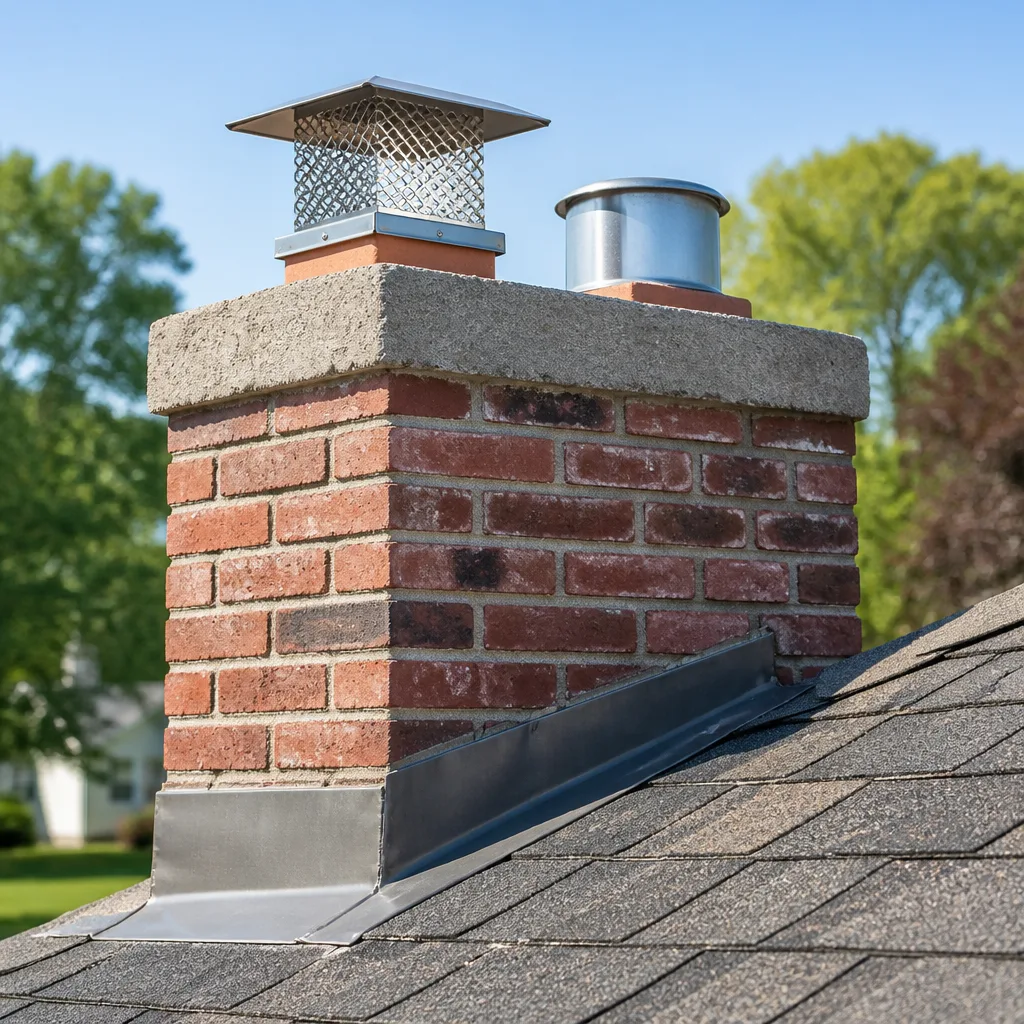 Sweep & inspection
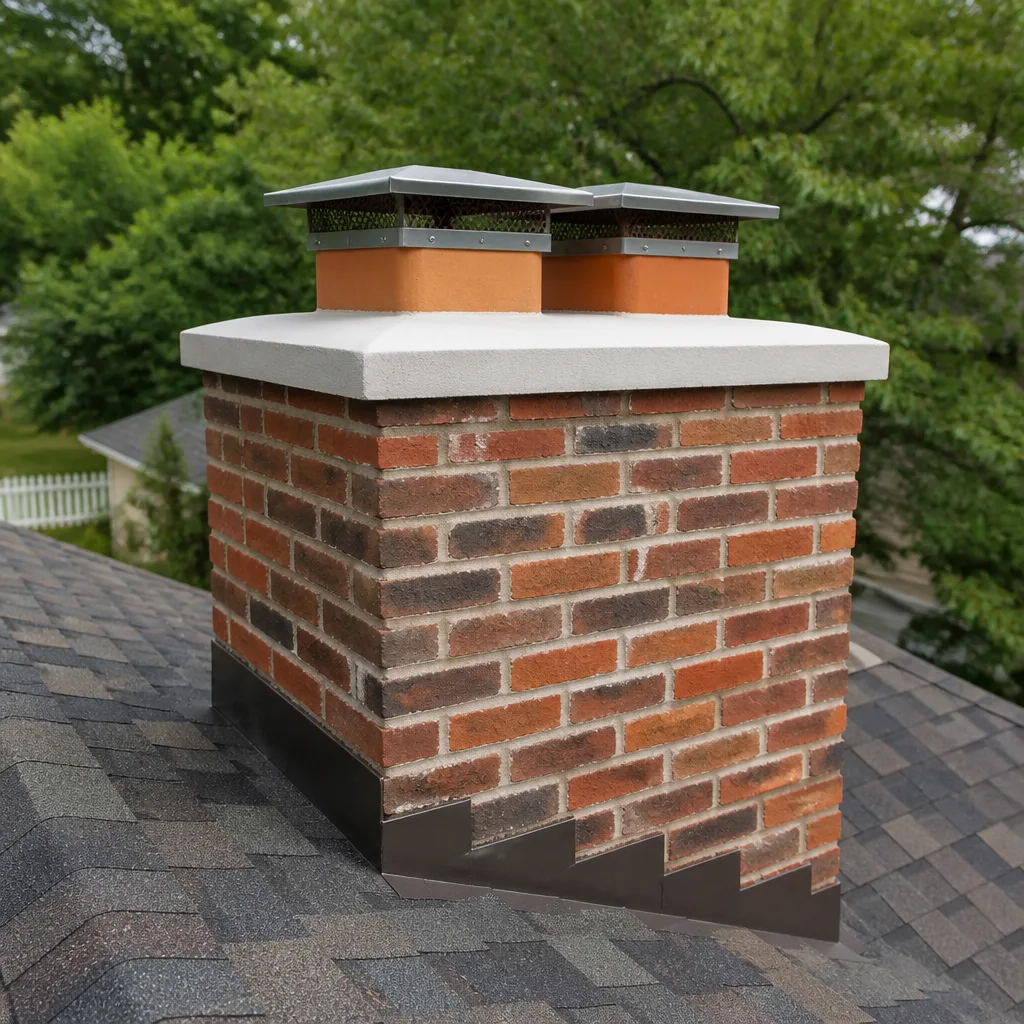 Caps & crowns
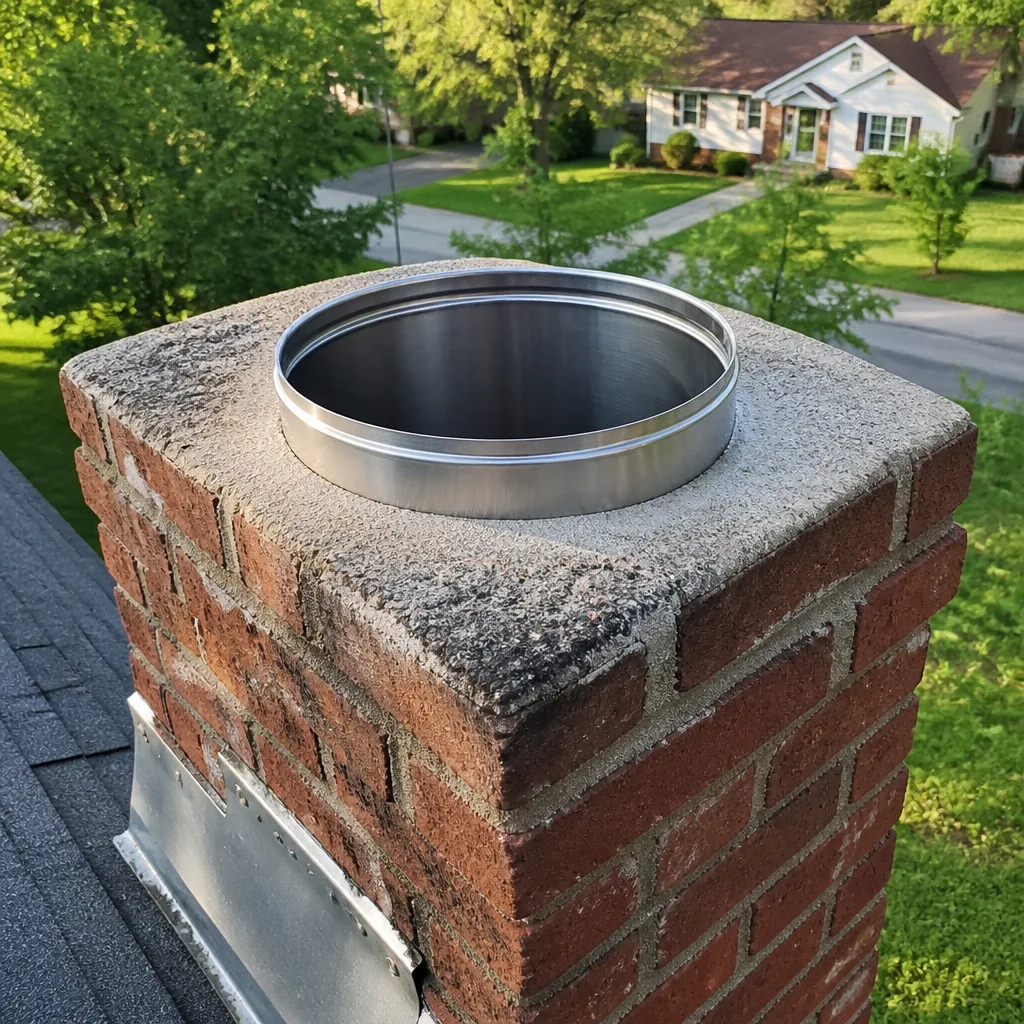 Flue relining
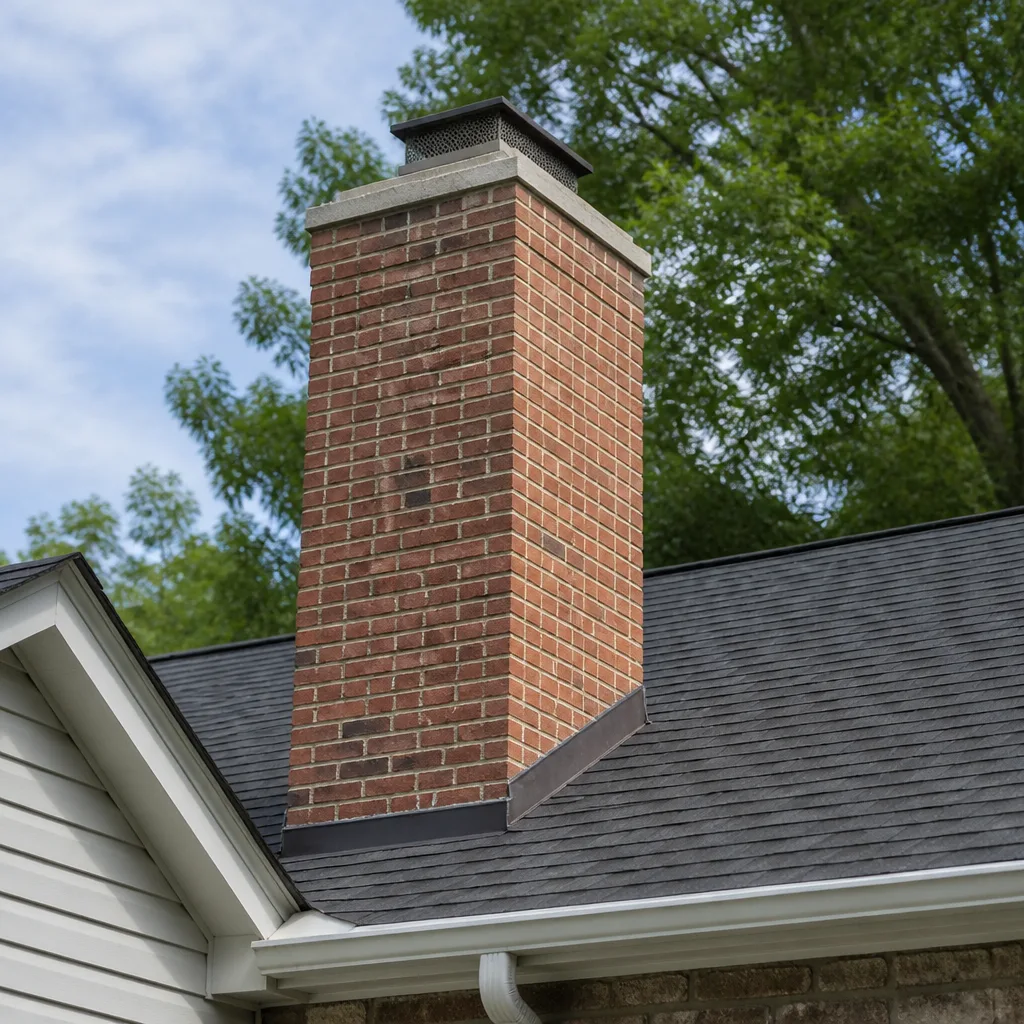 Masonry repair
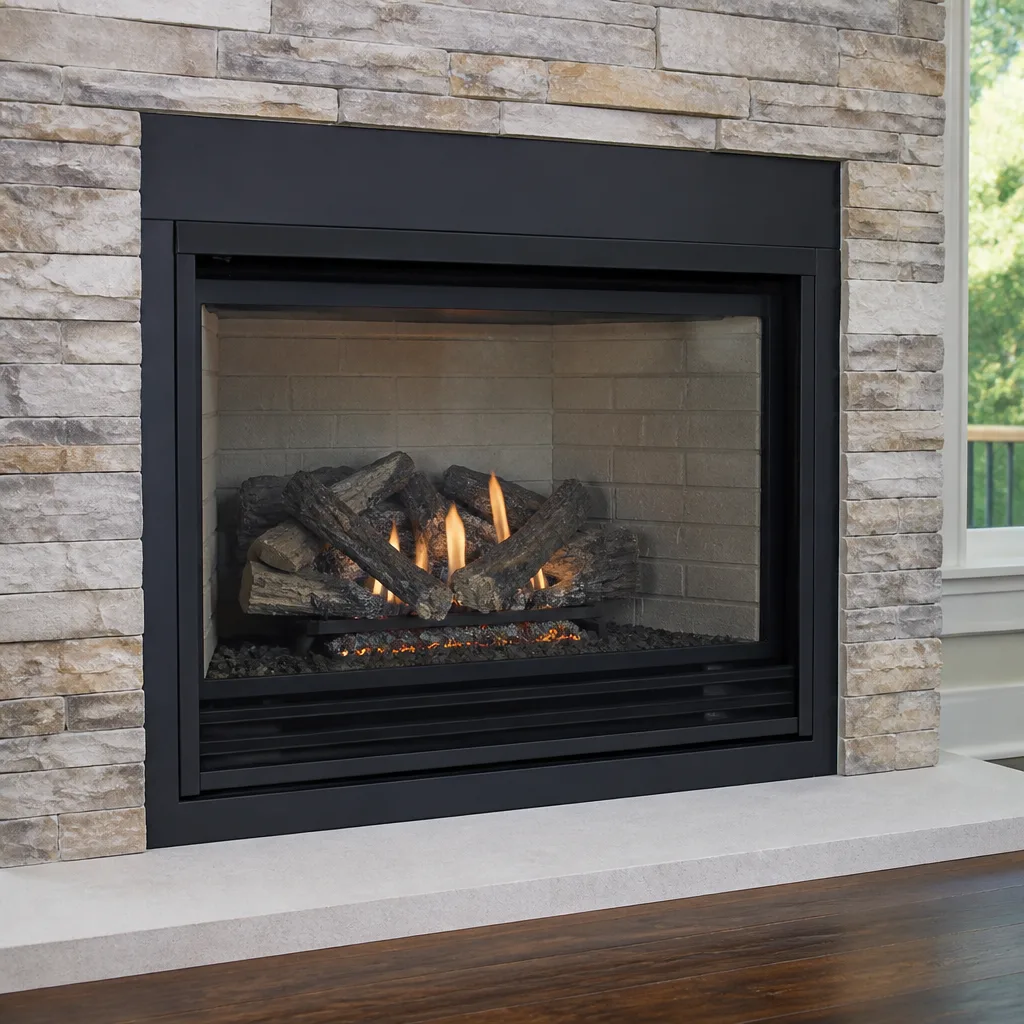 Gas fireplace service
Level 1 sweep and inspection to the NFPA 211 annual standard - flue, crown, cap, and flashing checked and photographed
Chimney sweep logs do not sweep chimneys. They loosen some creosote - which then falls where a brush and vacuum still have to collect it.
How to Hire a Chimney Cleaning Contractor in Albany: A Step-by-Step Guide
Most homeowners in Albany pick a chimney sweep the same way they pick a plumber: whoever answers the phone first and quotes the lowest price. That’s backwards, and it’s why so many people end up paying twice – once for a sweep that only cleaned what was reachable, and again for a repair a more careful company would have caught during the first visit. The credential that actually separates a trained specialist from a guy with a brush and a ladder is certification, and it’s a baseline standard in New York, not an optional bonus. In this guide, we’ll walk you through exactly how to screen a contractor in Albany: what the credentials certify, the five phone questions that reveal real diagnostic skill, what a written estimate must contain, and how to read reviews for chimney work specifically.
Quick Answer
To hire a chimney cleaning contractor in Albany, verify active CSIA certification and proof of liability insurance before you book, ask whether the company performs its own inspections and repairs (not just sweeping), and insist on a written scope of work before any cleaning starts. A legitimate sweep will offer a camera inspection, explain what they find in plain terms, and put the estimated cost in writing. If a company can’t produce those, keep calling.
Styles & brands we work with
- Sweep & inspection
- Caps & crowns
- Flue relining
- Masonry repair
- Gas fireplace service
Table of Contents
- What CSIA, NFI, and NCSG Credentials Actually Certify
- How to Verify a Chimney Contractor in 60 Seconds
- The Five Phone Questions That Reveal Real Diagnostics
- What a Professional Estimate Should Include in Writing
- How to Read Online Reviews for Chimney Services
- Licensing and Insurance Requirements in New York
- Why Albany’s Climate Makes Hiring Carefully Matter
- What a Proper Sweep and Inspection Actually Involves
- Common Mistakes to Avoid
- When to Call a Professional
- Frequently Asked Questions
What CSIA, NFI, and NCSG Credentials Actually Certify
These three acronyms get thrown around loosely in chimney advertising, and they mean three different things. Knowing which one applies to the work you’re hiring for is the first real filter you can apply.
CSIA stands for the Chimney Safety Institute of America. A CSIA Certified Chimney Sweep has passed a proctored exam covering chimney construction, venting, and the codes that govern both, and holds a credential that must be renewed. It’s the credential most often referenced in insurance and real-estate contexts because it speaks to technical knowledge of the whole chimney system, not just sweeping technique.
NFI is the National Fireplace Institute. NFI certification is specific to hearth appliances – wood stoves, gas inserts, pellet units. If your home has a gas insert or a wood stove rather than an open masonry fireplace, an NFI-certified technician understands the venting requirements of that specific appliance, which differ meaningfully from a traditional open fireplace.
NCSG is the National Chimney Sweep Guild, a trade association rather than a certifying body on its own. Membership signals that a company has committed to the guild’s code of ethics and keeps up with industry standards, but it does not replace the individual CSIA certification. A company can belong to NCSG without every technician being certified.
What this means practically: when you hire for a masonry fireplace sweep and inspection in Albany, you’re looking for CSIA certification on the technician who will actually be at your house. When the job involves a gas insert, NFI matters. NCSG membership is a good sign, but treat it as a supporting credential, not the primary one.
Why the distinction matters
A sweep who is not certified may still do a competent job on a simple flue. But certification is a proxy for whether the person in your home can actually evaluate what they’re looking at. Creosote accumulation, cracked flue tiles, a warped damper, an improperly sized flue for the appliance – these are the things that decide whether a sweep turns into a repair. Certification is the difference between a technician who sweeps and a technician who diagnoses.
How to Verify a Chimney Contractor in 60 Seconds
You don’t need to call anyone to check credentials. The verification takes about a minute if you know where to look.
- Go to the CSIA website’s certified professional search. Type in the company name or the technician’s name. The result shows active status. If a company claims certification and doesn’t appear there, that’s your answer.
- Ask for the technician’s name when you book. Certification is held by individuals, not companies, so the name on the booking is what you verify. If the company won’t tell you who’s coming, that’s a red flag on its own.
- Confirm the certification is current. CSIA credentials require renewal. An expired certification is not a certification.
- Check the company’s insurance certificate. Ask them to email you a certificate of insurance naming general liability coverage. A real contractor has this ready to send.
- Look up the business with the New York Department of State. A legitimate business is registered, and the name on the insurance certificate should match the registered name.
Sixty seconds. That’s the entire screening process, and it eliminates most of the risk before you’ve made a call. In our experience, the companies that welcome this check are the same ones that do the more thorough inspection once they arrive.
The Five Phone Questions That Reveal Real Diagnostics
A phone call tells you more about a chimney company than any website. The goal is to find out whether they do a surface-only cleaning or actual diagnostics. Ask these five questions, and listen to whether the answers are specific.
1. “Will you use a camera to inspect the flue?”
A serious company says yes, or explains that a camera is recommended when the visual inspection suggests a problem. A company that says “we just sweep” has no way to know what’s happening above the firebox. A camera inspection is how you find out whether a flue liner has failed before it becomes a hazard.
2. “Do you sweep, inspect, and repair, or just sweep?”
Companies that only sweep are the ones most likely to hand you a referral to a “friend” who does repairs – and the accountability splits between two companies. Look for a company that performs all three under one roof. We carry the professional-grade brands the industry trusts – DuraFlex flexible liners, HeatShield flue resurfacing, Olympia Chimney components – because repairing what we find is part of the job, not an upsell.
3. “What happens if you find a cracked flue tile?”
The right answer explains the options. A minor crack might be addressed with HeatShield resurfacing. A more damaged flue might need a DuraFlex flexible liner installed. The wrong answers are instant: either “we don’t find those” or “we’ll schedule a second visit to look at it.” A diagnostic company can tell you what the options are because they do this work routinely.
4. “What does the sweep cost, and what’s included?”
Ask for the price and what it covers before you book. A professional company gives you a flat price and a scope: what’s cleaned, whether the inspection is included, and what’s billed separately. Vague pricing (“we’ll see when we get there”) is how a cleaning visit turns into a surprise invoice.
5. “How do you document what you find?”
Photos, a written report, or both. Documentation matters because you’ll want a record of the flue’s condition – for your own reference, for a future home sale, and for your insurer. A company that inspects without documenting isn’t really giving you anything you can use.
What a Professional Estimate Should Include in Writing
A written estimate is the second filter. It’s not about price – it’s about accountability. When a contractor refuses to put scope in writing, that’s not a communication style, it’s a signal that they don’t want to be held to what they promised.
A proper estimate for chimney work in Albany should include, at minimum:
- The scope of work in plain language. “Sweep the flue, inspect from the firebox and the roof, document with photos” is a scope. “Chimney cleaning” is not.
- What’s included and what isn’t. Is the inspection part of the sweep or billed separately? Is a camera inspection included or additional?
- A line-item price for the sweep. A single number for the cleaning service, agreed before the technician arrives.
- Repair recommendations priced separately. If the inspection reveals a problem, the repair estimate should follow in writing, after you’ve seen the evidence. Nothing should be recommended without documentation you can look at.
- The materials that would be used. For liner work, that’s where the brand matters: HeatShield for ceramic resurfacing, DuraFlex for flexible relining, Famco or Copperfield for caps and dampers. These are the manufacturing families professionals source from. A generic “we use quality materials” tells you nothing.
- Terms – payment, scheduling, and what happens if the work changes. Written estimates should state clearly what happens if the technician finds something the original quote didn’t anticipate.
The “we don’t put quotes in writing” red flag
If a contractor won’t email a written scope, don’t book. This is worth stating plainly because it comes up: a verbal estimate is unenforceable, unrecordkeeping, and easy to inflate once the work is underway. A legitimate operation in Albany has no reason to resist. In the trades, written scope is the standard, not a special request.
How to Read Online Reviews for Chimney Services
Reviews for chimney work need a different reading than reviews for, say, a restaurant. What signals quality work is not the same as what signals good marketing.
Signals of real quality work:
- Reviews that describe the technician’s diagnostic process – “he used a camera and showed me the crack” or “she explained exactly what she was seeing.”
- Reviews mentioning a written report or photographs after the visit.
- Reviews that describe repair work completed (liner installation, cap replacement) with details about the materials or timeline.
- A mix of positive and constructively critical reviews over a long span, with responses from the company. Uniformly perfect reviews for a service business usually tell you about a review request strategy, not the work.
- Reviews naming the specific service (“chimney sweep and inspection”) rather than generic “great service.”
Signals of good marketing rather than good work:
- Reviews that mention a low price but never the work performed.
- Reviews with no attribution and a single sentence.
- Sudden clusters of reviews at the same time, all five stars, none mentioning chimney specifics.
- Reviews where the experience described is inconsistent – one says “they found a crack and fixed it,” another says “they came and swept, that’s it.”
The strongest signal is a review that describes something the customer didn’t know before the visit – a flue tile crack, a nest, a warped damper. That tells you the company found something worth explaining, and that they took the time to explain it. That’s a diagnostics company.
Licensing and Insurance Requirements in New York
New York does not license chimney sweeps under a specific state trade license the way it licenses electricians and plumbers. That’s an important fact for Albany homeowners, because it means the “license” line item that means something for other trades doesn’t mean the same thing here. What you should verify instead:
- Business registration. The company should be registered with the New York Department of State – check the business name there.
- General liability insurance. Ask for a certificate of insurance. This is non-negotiable. If the company can’t provide one, walk away. If a technician damages your flue or your roof during the job, insurance is what covers the repair.
- Workers’ compensation coverage. Ask if employees are covered. If the technician is injured in your home and the company doesn’t carry workers’ comp, you can be exposed.
- Certification. Since there’s no state license specifically for chimney work, certification carries the weight. CSIA is the credential you’ll see cited most often, because it’s the one that signals technical training on the chimney system as a whole.
This is a specific point often missed in chimney contractor guides, and worth sitting with: in Albany, the “license” to ask for is certification, and the “insurance” to ask for is documented general liability and workers’ comp. Those are the qualifications that actually mean something.
On the code and permit side: most structural chimney work – relining, rebuilds, changing a flue’s configuration – typically requires a permit from the City of Albany, because it modifies the building’s venting system. Before you approve structural repairs, ask the contractor whether a permit is required for the work being proposed and who is filing it. Any company that doesn’t want to answer that question is not a company you want working on your chimney.
Why Albany’s Climate Makes Hiring Carefully Matter
Albany’s winters matter for chimney work in ways that a generic online guide won’t tell you. Repeated freeze-thaw cycles through the cold months put stress on masonry and on the mortar joints that hold a chimney together. Long stretches below freezing followed by a thaw push moisture into brick and mortar, where it expands and contracts. Over years, that cycle cracks bricks and opens joints, and the first place you notice the effects is often inside the chimney – the flue tiles, the firebox mortar, or the crown at the top.
That’s why a chimney inspection in Albany isn’t only a fire-safety check (though it is that). It’s a masonry assessment. The inspection someone performs in early fall – before the first fire of the season – is the same inspection that catches a loose crown or a spalled brick before another winter works it loose. The chimney repair work that follows gets more involved the longer a masonry problem sits.
The seasonal rhythm also affects creosote. Cooler shoulder months and the way wood burns in a cold climate can produce more of the sticky, glassy creosote that’s harder to remove and more prone to ignition than the light, flaky stage. A company that inspects and sweeps before the burn season – rather than after – catches that buildup before it becomes a hazard. That’s the case for booking the sweep before the first cold snap, not once the smell of smoke sends you looking for a phone number.
What a Proper Sweep and Inspection Actually Involves
Understanding the process lets you recognize the difference between a thorough job and a fast one. A proper chimney sweep and inspection in the Albany area typically involves the following steps.
- A walkthrough before any work starts. The technician looks at the fireplace opening, the firebox, and the hearth before setting up. If the damper is stuck or the firebox is full, that’s noted first.
- Drop cloths and containment. A professional setup protects the room, not only the chimney. No sweep should be sweeping into a living room without containment.
- Cleaning from the firebox up, and from the roof down. Both ends. A sweep who only cleans from one side is likely leaving deposits the other side would have caught.
- Visual inspection of the flue. Looking up from the firebox for as far as sight allows, then from the top of the chimney looking down. Cracks, gaps, and obstructions like bird nests show up here.
- Camera inspection where needed. When the visual check shows an anomaly, a camera reveals the full run of the flue. This is the tool that turns “I think I see a crack” into “here’s the crack on the monitor.”
- A written summary and photos. The findings go on paper. If repairs are recommended, you see the evidence before you decide.
- A clear recommendation. If nothing needs to be done, the sweep should tell you that and not pad the visit with suggested work. In our experience, the companies that recommend the least unnecessary work are the ones homeowners call back.
If you want the full picture of what the practice looks like, the chimney sweep Albany service overview covers the three core services – sweep, inspection, repair – and how they’re sequenced. For the nearby community across the county, the Voorheesville chimney information follows the same approach, because the climate and masonry realities are similar.
Safety note on liner and structural work
Some of what an inspection reveals should never be treated as a weekend DIY project. Replacing a flue liner, resurfacing a deteriorated flue, and rebuilding a chimney crown all fall into that category. A failed liner means hot gases and embers can contact the combustible framing around the chimney – that’s the actual mechanism of a chimney fire that spreads beyond the firebox. Carbon monoxide from a compromised flue is the other consequence. It’s worth taking seriously. A trained professional uses the right materials and documents the installation to confirm it’s done to code – which is why professional-grade components matter here, not hardware-store substitutes.
Common Mistakes to Avoid
- Hiring the cheapest quote without checking credentials. A low price is often a cleaning without the diagnostic step. You’ll pay for the inspection separately later, or you won’t get one at all. Ask for the certification first and compare price second.
- Not asking whether the inspection is included. Some companies bill sweeping and inspection as separate line items without telling you upfront. Confirm what the price covers before you book.
- Accepting a repair recommendation without seeing the evidence. If a company says your flue liner has failed, ask to see the camera footage or the photos. In Albany, a lot of flues are aging and some do need relining – but the recommendation should follow the evidence, not precede it.
- Skipping verification because the company looks professional online. A clean website is a marketing skill. CSIA certification is a technical credential. Check both, but weight the credential.
- Waiting until after the first fire to book. Creosote is easiest to remove when it hasn’t been heated repeatedly. Booking the Albany sweep before the burn season starts also catches masonry problems before they’ve had another winter to spread.
- Letting two companies split the work. If Company A sweeps and Company B repairs, accountability splits. If the repair fails, each points at the other. A company that handles sweep, inspection, and repair end-to-end owns the outcome, and that’s the accountability you want.
- Not asking about insurance. A certificate of general liability insurance is a two-minute email. If a company won’t send it, they’re either uninsured or not organized enough to find it. Neither is a good sign for a job that involves going on your roof.
When to Call a Professional
Some situations shouldn’t wait for the next seasonal sweep. Call a professional chimney service in Albany if: you smell smoke in the house when the fireplace is not in use, or smoke backs into the room when you light a fire; you see dark, oily stains on the chimney’s exterior masonry; any part of the chimney is pulling away from the house; the damper won’t open, close, or seal; or your carbon monoxide detector has sounded near a fireplace or wood stove. Any of those is a signal to stop using the appliance until the chimney has been inspected. Start with the chimney repair assessment before you light the next fire.
For routine maintenance, the general guidance is to have the chimney inspected once a year and swept as needed based on how much you burn. If you’re a heavy wood burner – several fires a week through the cold months – plan on a sweep before every burn season. Chimney Sweep Albany offers free estimates in Albany, and our technicians have up to experience with the diagnostic equipment and the professional brands used to do the work. Call (866) 650-9028. We answer 24/7. Fast dispatch from 7am to 7pm, Sunday through Friday. Closed Saturday.
Frequently Asked Questions
The cost depends on the flue’s configuration, the amount of creosote, and whether the inspection is included, and any quote should be confirmed with a written estimate before the technician arrives. The estimate is free, and the price is set per job by the written estimate rather than a flat number quoted blind. Compare that to the cost of a repair caught too late, and the incentive to book the diagnostics-first company is obvious. Call (866) 650-9028 for an exact quote – estimates are free.
Not always – and a company that jumps straight to “you need a new liner” without showing you why is worth a second look. A failed flue liner does need to be addressed, because the liner is what protects the framing around the chimney from hot gases and embers. Sometimes restoration is possible with HeatShield’s ceramic resurfacing system rather than a full flexible liner replacement. The decision should be based on camera evidence you can see. We can’t overstate this: if a company won’t show you the evidence, don’t authorize the repair. Call (866) 650-9028 for an honest read on what your flue actually needs.
The general rule is an inspection every year and a sweep whenever the inspection shows enough creosote to warrant it, which for most Albany homeowners who burn regularly means a sweep before each burn season. Heavy wood burners may need one annually, light users less often. The annual inspection is the constant – it’s how you catch structural problems before another winter’s freeze-thaw works on them. Call (866) 650-9028 to book an inspection and get a clear answer for your specific chimney.
Creosote builds up on the flue walls and, at the glazed stage, becomes capable of igniting – that’s the mechanism behind a chimney fire that starts up the flue rather than in the firebox. In a compromised liner, carbon monoxide can enter the living space instead of venting outside. Those are the real reasons a sweep is not optional. If it’s been more than a year, book one before the next fire. Call (866) 650-9028 – estimates are free.
New York does not issue a specific chimney sweep trade license, so certification is the credential that carries the weight in Albany, and CSIA certification is the standard most homeowners and insurers look for. When you hire, ask which technician is coming and verify their CSIA status on the CSIA website before the appointment. Call (866) 650-9028 if you have questions about what our certification means for your chimney work.
Structural chimney work – relining a flue, rebuilding the crown, changing the configuration of the flue – typically does require a permit from the City of Albany, because it modifies the building’s venting system. The permit requirement should be stated clearly in the written estimate. If a contractor doesn’t want to discuss permits, don’t book. Call (866) 650-9028 and we’ll lay out what the job involves and what needs to be filed.
The Bottom Line
Hiring a chimney cleaning contractor in Albany is a screening exercise, not a price shopping exercise. Check CSIA certification on the technician who will arrive, ask for the certificate of insurance by email, ask the five phone questions that reveal whether the company diagnoses as well as sweeps, and insist on a written estimate with a stated scope before anyone climbs on your roof. A company that performs all three services – sweep, inspection, and repair – under one roof is the one that owns the outcome, and a company that shows you the evidence before recommending a repair is the one worth calling back. The Voorheesville and greater Albany area shares the same masonry and climate realities, so the standard is the same.
If you’d like an honest read on your chimney before the next burn season, call Chimney Sweep Albany for a free estimate at (866) 650-9028. We answer 24/7. Fast dispatch from 7am to 7pm, Sunday through Friday, closed Saturday. We work with the brands the trade trusts – DuraFlex flexible liners, HeatShield ceramic resurfacing, Olympia Chimney and Copperfield components – because the material is part of the honesty. Inspect first, recommend honestly, repair right.
Written by the team at Chimney Sweep Albany.
See the difference
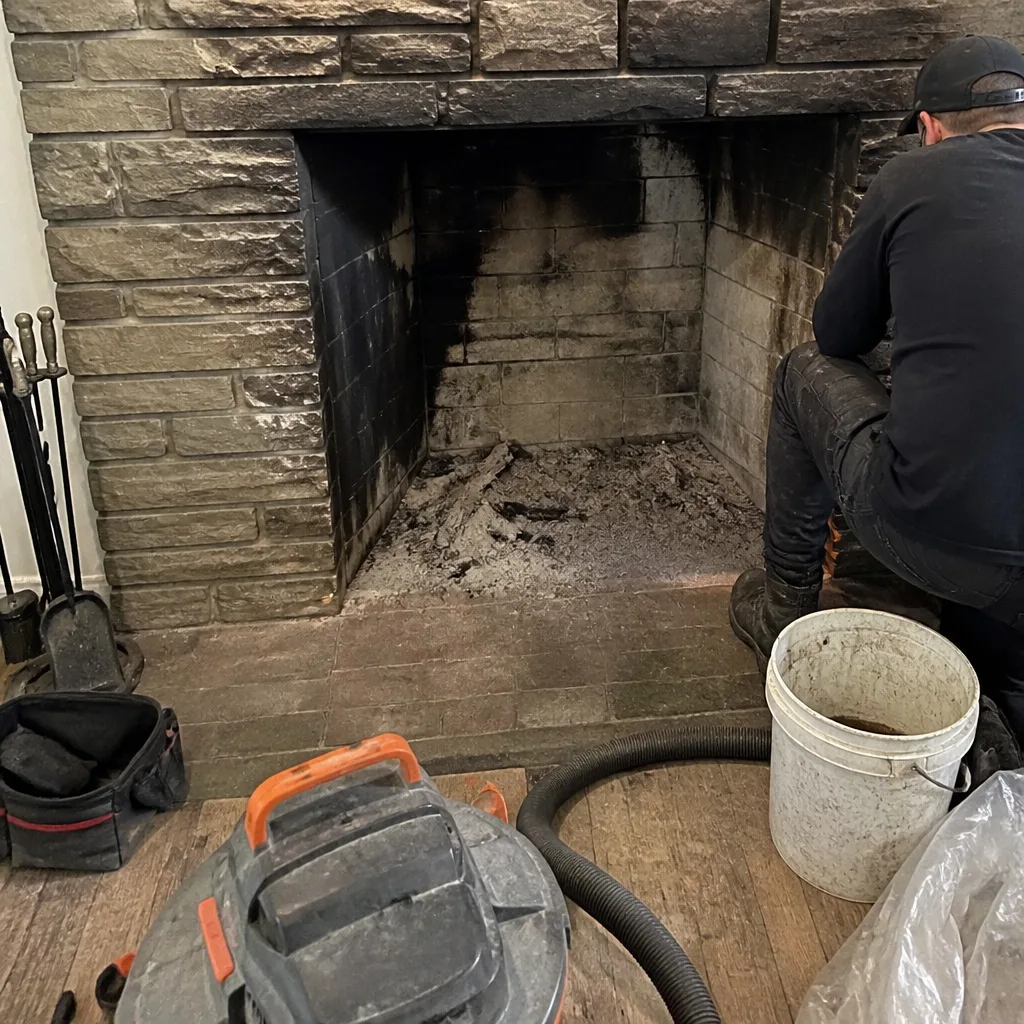 Before
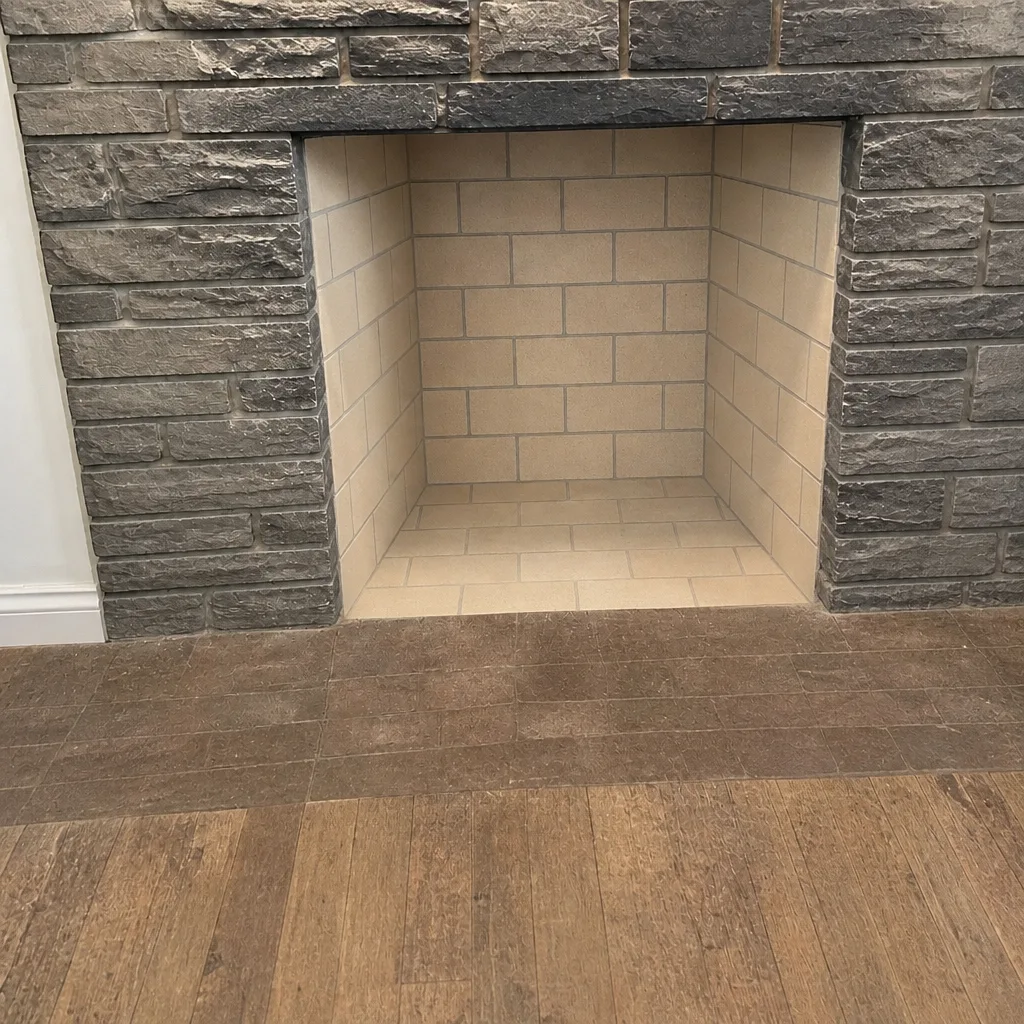 After
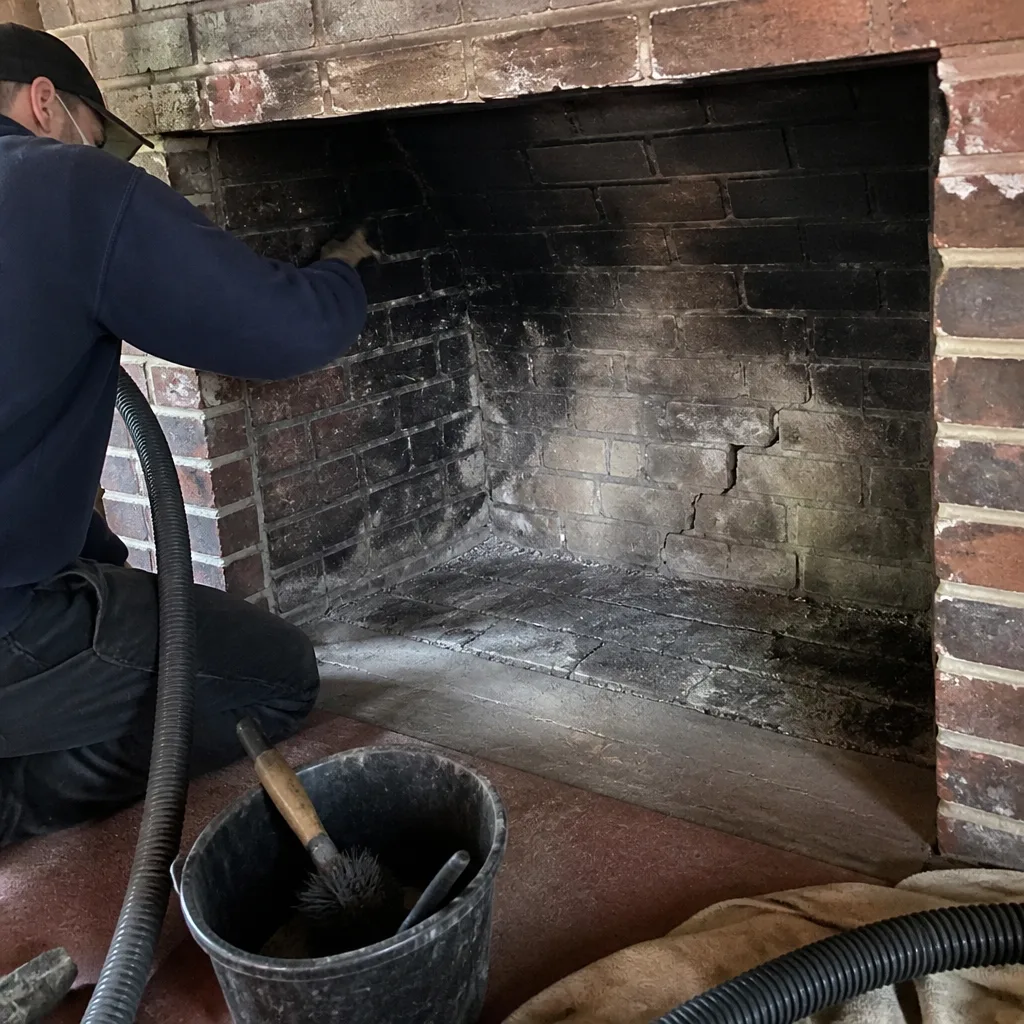 Before
 After
 Before
 After