
Last updated November 15, 2026
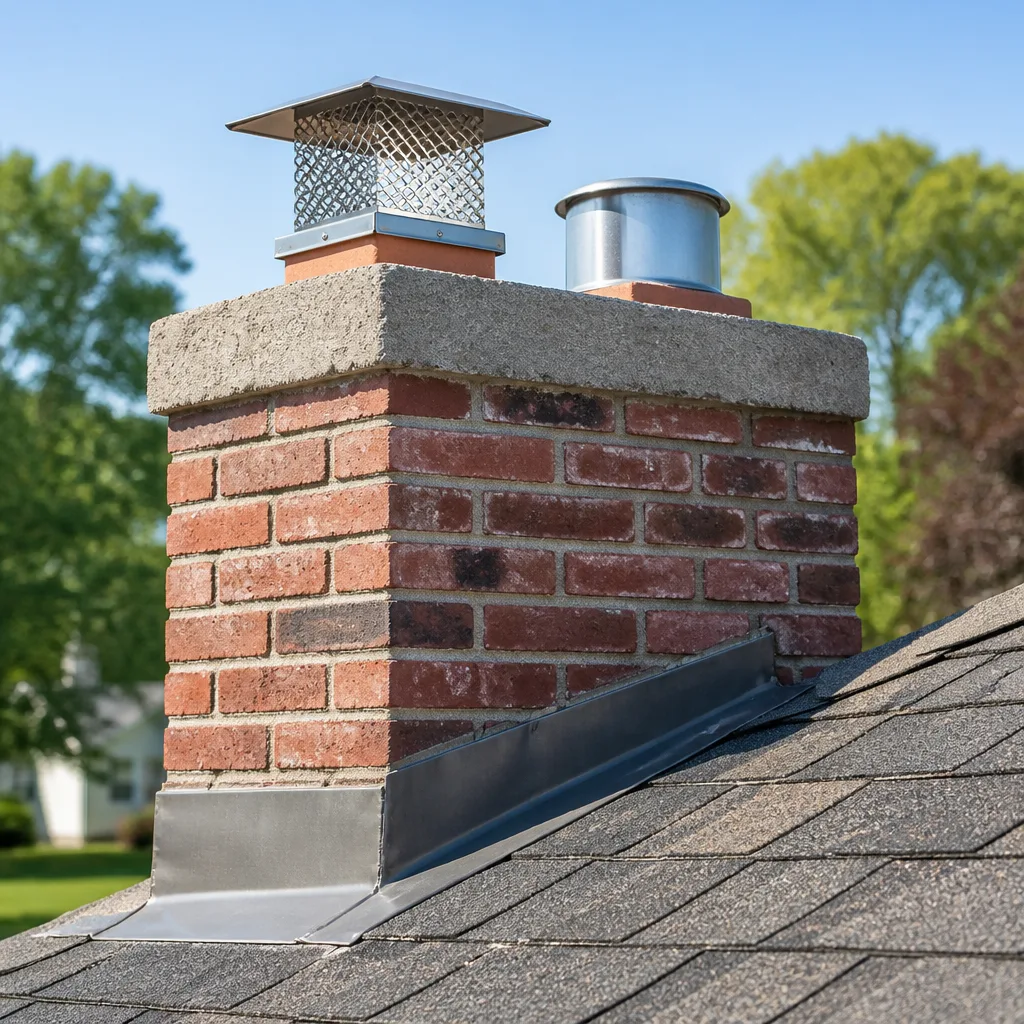 Sweep & inspection
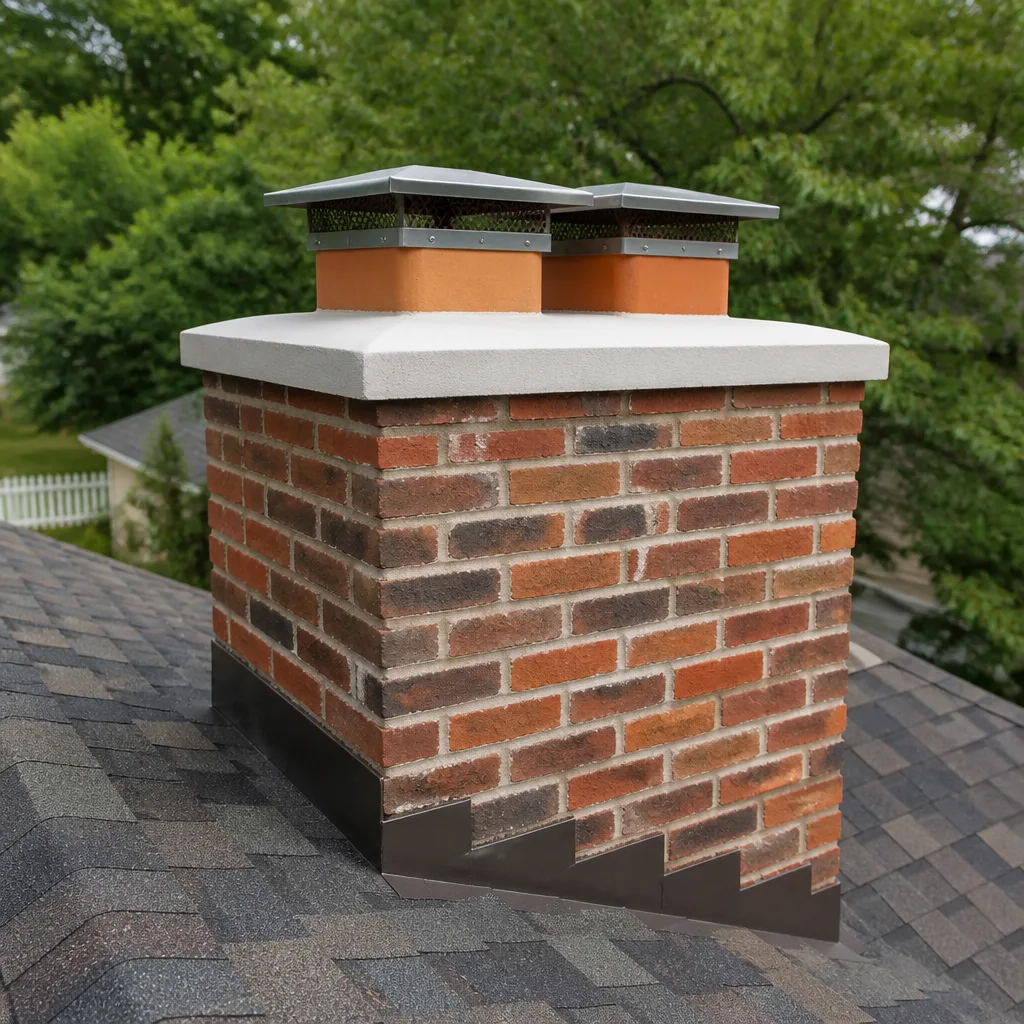 Caps & crowns
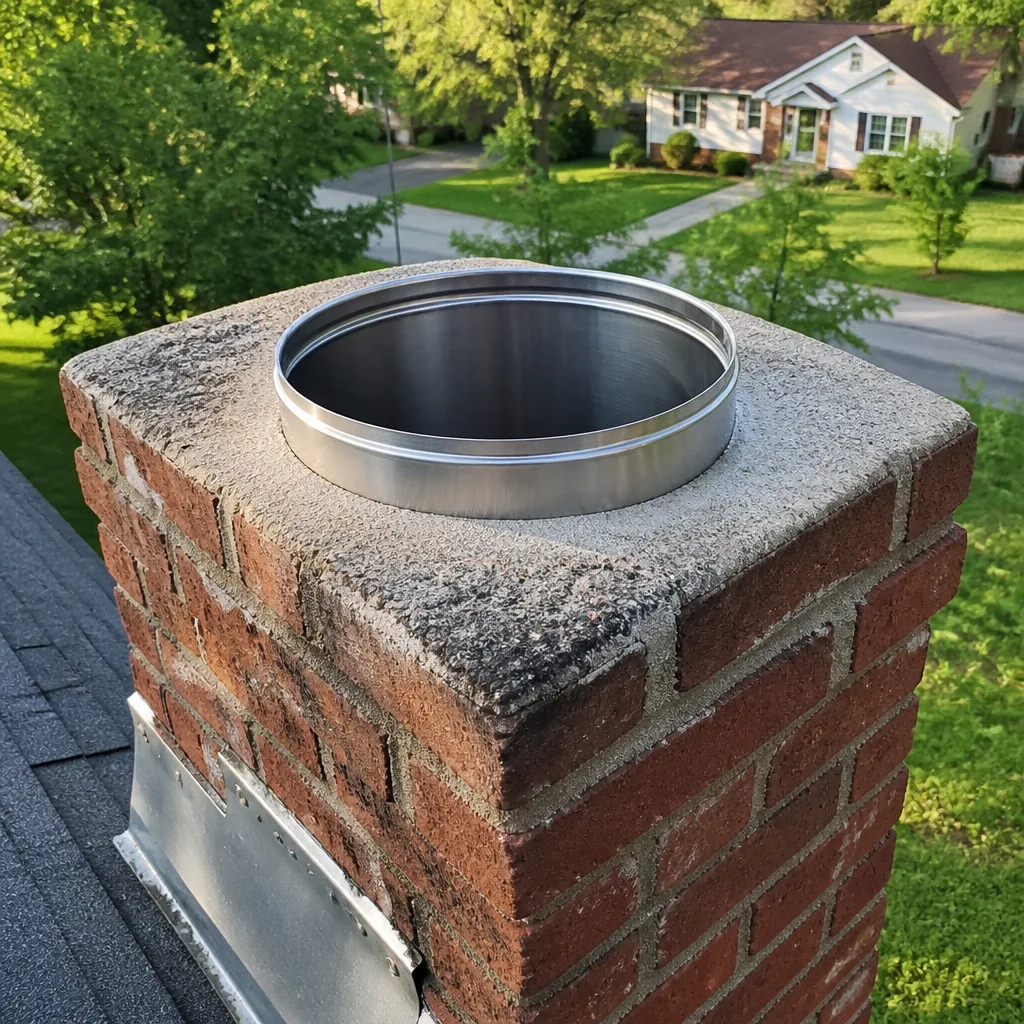 Flue relining
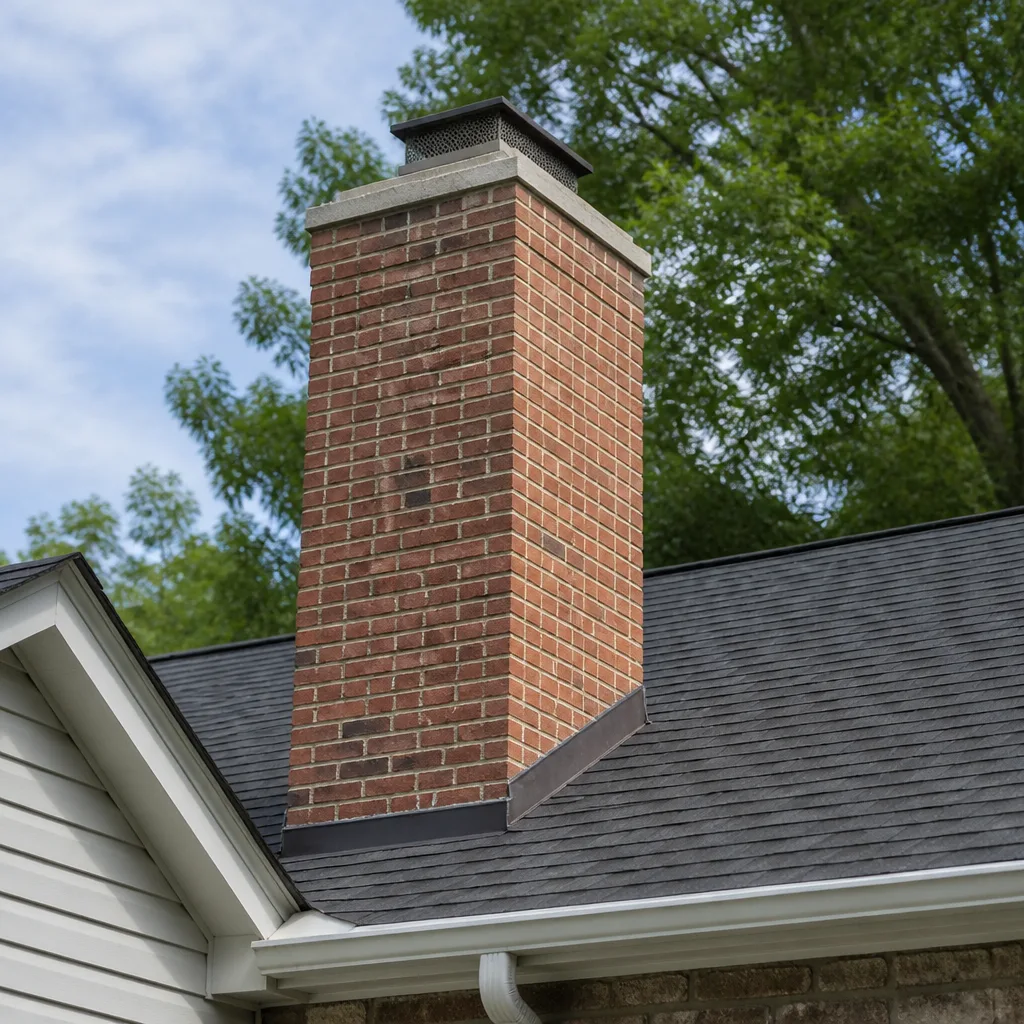 Masonry repair
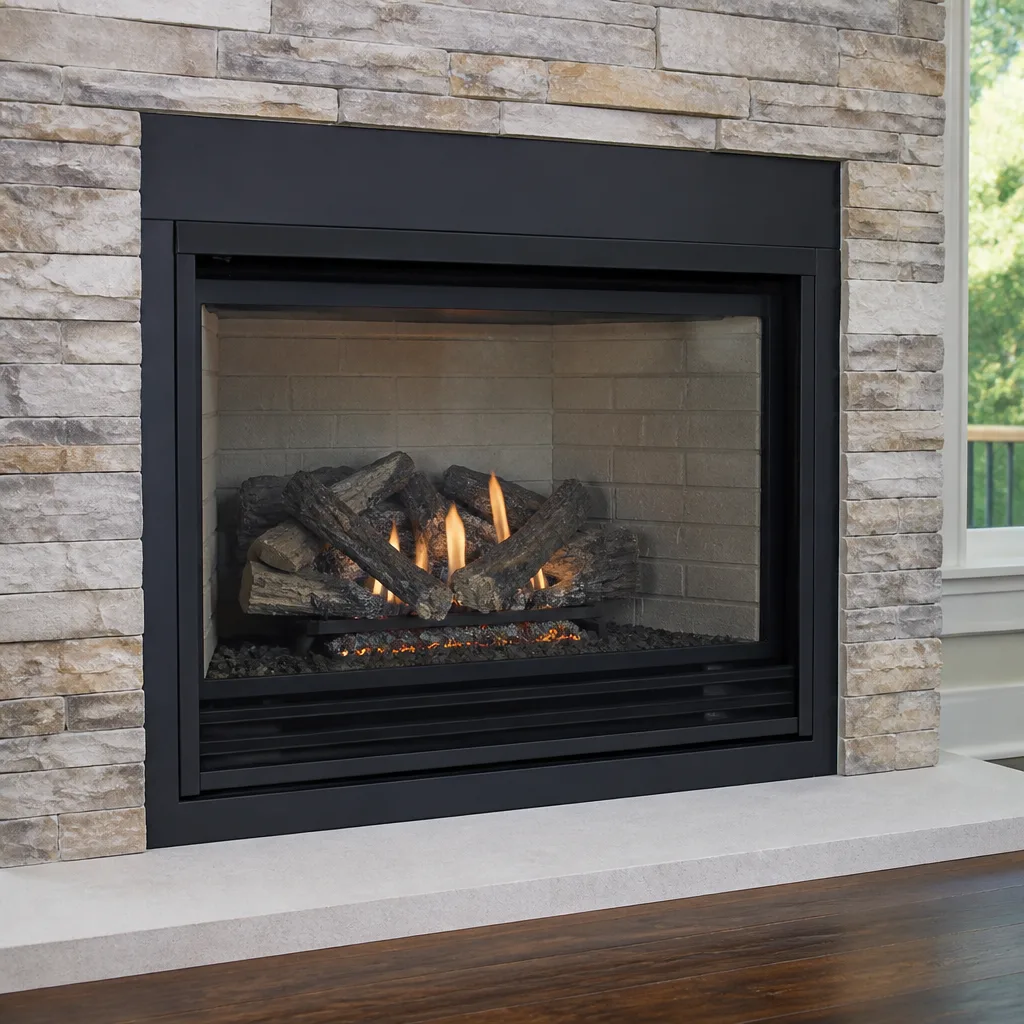 Gas fireplace service
Level 1 sweep and inspection to the NFPA 211 annual standard - flue, crown, cap, and flashing checked and photographed
Chimney sweep logs do not sweep chimneys. They loosen some creosote - which then falls where a brush and vacuum still have to collect it.
Seasonal Chimney Cleaning Care for Albany: Year-Round Homeowner’s Guide
Most homeowners think about the chimney twice: once when the first cold snap hits and once when they notice a stain on the ceiling. That’s the wrong rhythm. In Albany, the flue system takes its worst hits in the shoulder seasons, not in the dead of winter. Snowmelt in April and humid air in July do more quiet damage to masonry and liners than a January fire ever will, and by the time a problem shows up inside the house, it’s usually been growing for months. This guide walks through what each season throws at an Albany chimney, what to check during it, and how to stagger your service visits so problems get caught before they compound. You’ll finish knowing exactly when to sweep, what to watch for, and when to skip the guesswork and bring in a professional.
Quick Answer
Chimney care in Albany should be spread across the year, not stacked into one fall sweep. Plan a cleaning and inspection before the first fire, a water and masonry check after the spring thaw, and a mid-season visual habit through the winter. Homes that burn regularly need a sweep roughly once a cord of wood, and every chimney should have a professional inspection once a year.
Styles & brands we work with
- Sweep & inspection
- Caps & crowns
- Flue relining
- Masonry repair
- Gas fireplace service
Table of Contents
- Why Seasonal Care Beats a Single Annual Sweep in Albany
- Spring: What the Thaw Reveals About Your Chimney
- Summer: Odor, Moisture, and Dormant Flue Problems
- Fall: Timing Your Pre-Season Sweep in Albany
- Winter: Monitoring a Chimney You’re Actively Using
- How to Build a Four-Season Service Schedule
- Why the Materials and Components Matter
Why Seasonal Care Beats a Single Annual Sweep in Albany
A chimney is an exterior structure that lives through four very different climates in one year. From January lows that sit in the single digits to July stretches of humid, ninety-degree air, the masonry, mortar, liner, and crown are all expanding, contracting, absorbing, and drying on a cycle. A single fall sweep catches whatever has built up over one burning season, but it misses everything the other three seasons did to the structure itself.
In our experience, the damage that matters most is the damage that accumulates between inspections. Repeated freeze-thaw cycles open hairline cracks in mortar joints that a fall-only inspection never sees, because by fall the surface has dried out and the crack is invisible from the ground. Humid summers feed moisture into those same cracks and let biological growth take hold on any organic material in the flue. None of that gets caught if the only visit you make is in October.
Staggered care works because each problem has a season where it’s easiest to find:
- Spring: Water intrusion and masonry damage show up after the thaw, when things are wet and the cracks are open.
- Summer: Odor, moisture, and biological growth are active and easy to diagnose when the chimney is dormant and the air is humid.
- Fall: Creosote and soot from the previous burning season are highest, and demand for service is highest, so timing matters.
- Winter: Active-use problems like draft issues, smoking, and unusual smells in the house show up while the fire is burning.
This is why a seasonal plan is worth more than an annual checkbox. It’s also why homeowner habits matter. Between service visits, a homeowner who knows what to look for can flag a problem weeks before it turns into a repair. We’ll walk you through exactly what to watch for each season, starting with the season most people overlook entirely.
Spring: What the Thaw Reveals About Your Chimney
When the last snow in Albany melts, the chimney’s exterior has been through months of water freezing in its pores and thawing again. That’s the season to look hard at three things: the masonry, the crown, and the flashing at the roofline. Damage that was a hairline in November is often an open crack by April.
Here’s what to check after the thaw, from a safe position at ground level or from a window, never on the roof:
- Mortar joints. Look for lines of mortar that are recessed, crumbling, or sandy. Freeze-thaw damage typically shows as mortar receding from the brick face, especially on the north-facing side of the chimney, which holds moisture longer.
- Spalling brick. If the face of the brick has flaked or popped off, water has been getting in and freezing behind it. That’s a sign the exterior needs attention before the next winter.
- The crown. Like any concrete or masonry slab, a chimney crown can crack. A cracked or crumbling crown lets water run straight down into the flue, so it’s the single most important exterior detail.
- The flashing. Where the chimney meets the roof, look for pulled-back metal, missing sealant, or dark staining on roof shingles below. A roof leak blamed on age is often really the flashing at the chimney.
- Interior water signs. Look at the chimney breast indoors for rust-colored stains, peeling paint, or white efflorescence. All three mean water is getting in somewhere and needs to be found.
Capital Region winters are hard on brick and mortar, and the freeze-thaw pattern is the main reason. Mortar is softer than brick, so it always gives way first. When the crown and flashing are both sound, the chimney can survive decades of this. When either is compromised, water finds its way in every spring. A spring inspection catches it while it’s a repair rather than a rebuild. If anything on that list looks off, our chimney repair team can inspect it and show you what the camera sees.
Summer: Odor, Moisture, and Dormant Flue Problems
A chimney that hasn’t burned since March is not a harmless chimney. Albany’s summers are humid, and a flue that stays cool and damp for months becomes a candidate for the two most common summer complaints: odor and biological growth. Both are easier to fix in summer than in fall, because the flue is empty of recent soot and the fix can dry out before heating season starts.
Why summer brings the smells back
The creosote and soot left in a flue from last winter have a strong, acrid odor. When it’s cold and dry out, that odor stays contained. When it’s warm and humid out, the same buildup releases volatile compounds that can push a smoky smell back into the living space, particularly in a house with a tight envelope. If your house gets a chimney smell in July, that’s a sign the flue needs cleaning, not an air conditioning problem.
Moisture and biological growth
Humidity alone doesn’t rot a flue, but humidity plus an uncapped chimney does. Rain that runs straight down an open flue keeps the interior wet, and any organic debris in there (a bird’s nest, leaf litter, an old abandoned nest) becomes a growth medium. The fix is a combination of a proper cap and a summer cleaning. A cap with a screen blocks water and wildlife without blocking air movement. We use Copperfield and Famco caps and dampers for exactly this reason: manufacturer-backed components that fit right and last.
What to do in summer
- Get the flue cleaned so the odor source is gone.
- Confirm the chimney cap is intact and screening the flue.
- Check the firebox and damper for rust or corrosion, which point to moisture.
- If the top of the chimney has a cover, look at the interior of the masonry for signs of dampness.
Summer is also the slowest season for chimney work, which makes it the easiest time to book a repair that will need a week or two of scheduling in the fall. If a problem needs a new cap, a damper, or a liner repair, doing it now beats trying to squeeze it in on the first cold week of October. It also means the work gets a chance to cure properly, which matters most for liner restorations. Our Chimney Sweep Albany service page covers the full sweep-and-clean process if you want to know what a summer cleaning involves.
Fall: Timing Your Pre-Season Sweep in Albany
The right time to sweep a chimney in Albany is the four to six weeks before you light the first fire, not the week you plan to light it. Most homeowners light up sometime in October, which puts the ideal window in late August through mid-September. If you wait until you’re cold, you’re competing with every other homeowner in the Capital Region for a technician’s calendar, and the queue is real by mid-October.
There’s a practical number behind the timing: a chimney should be swept roughly once for every cord of wood burned. If you go through two cords a winter, a single annual sweep may not be enough, and that’s where the fall visit earns its place. A pre-season sweep clears out what built up last winter and lets a technician inspect the flue while it’s still accessible and the demand is manageable.
What a pre-season visit should cover
- A full sweep of the flue. Creosote removal, not just a brush and a guess.
- A camera inspection. A camera shows the inside of the flue and the condition of the liner, so you can see what the technician sees.
- A visual check of the firebox, damper, and smoke chamber. These are the parts that draft and seal, and they show wear before the flue does.
- An exterior look at the crown, cap, and flashing. The spring check should have caught water issues, but the cap and crown hold up better with a fall confirmation.
- A written estimate for anything found. No fall visit should end with a verbal surprise.
The other advantage of a fall visit is that it gives you time to schedule repairs before cold weather. If the technician finds a liner problem, a HeatShield restoration or a DuraFlex reline can still be booked and completed before the first hard freeze. If you find the same problem in November, you’re making decisions under pressure, and the good options may already be taken. Fall is the season where a modest advance window is worth a lot.
Scheduling is the part most people underestimate. If you’re in Albany and you know you’ll want a sweep before the first fire, book it before the first cool week. A late-summer slot is a lot easier to get than an October one. If your home is outside the city, our chimney sweep page has the same guidance for the surrounding area.
Winter: Monitoring a Chimney You’re Actively Using
Winter is the season of observation, not intervention. The flue is hot and active, and a homeowner should never try to inspect or reach into it. What you can do is watch for a handful of signals during normal use. All of them are things you can see or hear from the room the fireplace is in.
Safe winter monitoring habits
- Listen to the draft. A draft that starts well and then weakens, or smoke that spills into the room during lighting, is a signal worth writing down.
- Watch for smoke roll. Lingering smoke inside the room after the fire is established often means blockage or insufficient draft.
- Smell test. A creosote smell in the house during burning is different from a pleasant wood-fire smell, and it usually points to a flue that’s overdue.
- Watch the glass and firebox. Heavy soot on the glass or dark buildup in the firebox after a few fires is a sign the burn is producing more than the flue can carry.
- Mind the wood. Seasoned, dry wood burns cleaner and produces less creosote. Wet or green wood is the single biggest contributor to rapid buildup.
- Note the color of the flame. A fire that regularly burns low and smoky, rather than bright and hot, contributes to creosote faster.
These are not diagnostic checks; they’re awareness. If any of them show up once, note it and watch for a pattern. If they show up repeatedly, that’s the signal to call a professional rather than to keep burning. The one rule for winter is that no one should ever open the flue, reach into it, or try to clean it while the house is occupied and the chimney is in use. Soot and creosote are hazardous materials, and the top of the flue is not a place to experiment.
Two hazards matter enough to name plainly. Creosote buildup inside a flue is flammable, and a chimney fire can happen without anyone hearing a roar. And a blocked or damaged flue lets carbon monoxide back into the house rather than up the chimney. Neither of those is a reason to panic; both are reasons the flue gets cleared and inspected before the season starts, so the active-use season isn’t a gamble. A carbon monoxide detector on every floor is worth having regardless.
How to Build a Four-Season Service Schedule
The point of a schedule is to catch problems in the season they’re easiest to find, and to give yourself room to book repairs before they’re urgent. Here’s the pattern we’d suggest to any Albany homeowner, mapped to the four seasons.
The yearly schedule
- Spring (March to May): Post-thaw exterior check for crown, flashing, and masonry cracking. Book an inspection if you see water signs. If your chimney has an uncapped flue, this is the time to fix it before the summer rain.
- Summer (June to August): Deep cleaning if the flue smells or you know you burned a lot last winter. This is also the right season for repairs and relining, which need dry conditions and a wide scheduling window. Book a combined sweep-and-inspection so the technician can spot problems while things are quiet.
- Fall (August to early October): Pre-season sweep. Camera inspection. Written estimate for anything found. This is the visit that protects your winter.
- Winter (November to February): Observe during use. Note draft changes, smoke, and smell. Don’t clean. If something is off, call; if not, keep burning and wait for the spring check.
If you burn less than a cord of wood a year, one sweep and one inspection in the fall covers most of your needs, and the spring visit can be a visual check you do yourself. If you burn more than a cord, or if you have a gas insert or an older chimney with a clay tile flue, a twice-yearly pattern pays for itself. Gas inserts need attention because they run on a different fuel and their venting can deteriorate silently; oil-fired flues are similar.
The core principle is that a chimney is inspected once a year and swept to match use, and every visit is a chance to catch something before it compounds. That’s the same standard that applies to older homes in established Albany neighborhoods and newer builds outside the city. If you’re in Voorheesville rather than the city, the seasonal pattern doesn’t change; only the scheduling does.
Why the Materials and Components Matter
The seasonal schedule is only as good as the components the work is done with. A sweep with a brush and an inspection with a flashlight is the starting point, but real care in Albany’s climate comes down to which systems go in when the inspection finds something. We work with the brands the industry actually uses: DuraFlex for flexible liner systems that fit older or irregular flues, HeatShield for ceramic resurfacing when a flue is deteriorating but a full liner replacement is still avoidable, and Olympia Chimney, Gelco, Famco, and Copperfield for caps, dampers, and the components that keep the crown and flashing tight.
This matters most in the two problem seasons. In summer, a proper cap and screen is the difference between water running into the flue and water running off the top of the chimney. In spring, the durability of the crown and flashing is what determines whether the next freeze-thaw cycle opens a crack or bounces off. A hardware-store cap is rarely the answer; professional-grade components that fit properly are.
HeatShield resurfacing is worth explaining, because it’s the service most homeowners don’t know exists. When a flue liner has deteriorated but the chimney isn’t ready for a full reline, resurfacing rebuilds the interior surface with a ceramic system that seals cracks and restores a smooth, fire-rated lining. It solves the same problem as a new liner in many cases without the more involved installation. When a full reline is the right call, DuraFlex systems do the same job for irregular or older flues. Both are available through a single company, so inspection, repair, and the actual install don’t get split between contractors.
Professional-grade materials aren’t a sales point here. They’re the reason a repair lasts as long as the structure it’s in. Our technicians have up to experience, and the standard is to inspect first, recommend honestly, and repair right, from the firebox to the crown.
Common Mistakes to Avoid
- Skipping the spring check entirely. Spring is when water damage is visible, open, and easiest to fix. Skipping it in favor of a single fall visit means a broken crown or flashing gets months to make the problem worse.
- Burning wet or unseasoned wood. Wet wood burns cool and smokes, and that smoke is what lays down the creosote that affects your fall sweep. In a cold Albany winter, the temptation to burn whatever’s stacked is real; it’s also the fastest way to a flue full of buildup.
- Ignoring a summer chimney smell. An odor in July is a sign from the flue, not a mystery. Treating it as an air conditioning problem leaves the source in place through the fall.
- Booking the first fall sweep in October. You’ll be competing with every house in the Capital Region for the busiest weeks of the chimney year. A late-summer call gives you options and a much easier slot.
- Trying to check or clean the flue in winter. Winter is for observation. Anything else is a job for a trained professional, and the flue is genuinely dangerous when it’s hot and in use.
- Replacing components without a proper inspection. A cap or damper that doesn’t fit the chimney is worse than the old one. Look for professional-grade components and a proper fit rather than a quick hardware-store fix.
- Assuming one annual visit covers everything. A fall sweep catches last winter’s creosote. It doesn’t tell you what the spring thaw, the summer humidity, or the year-round masonry did to the chimney.
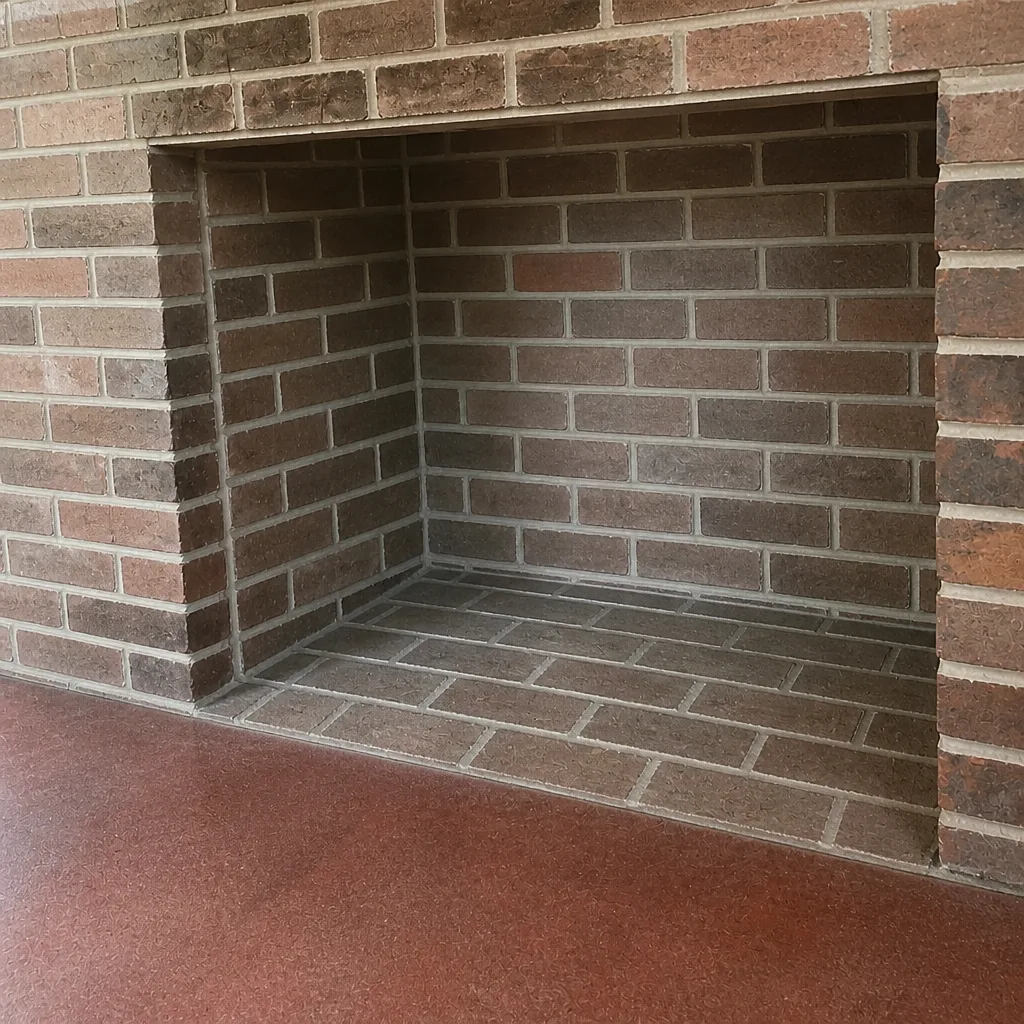
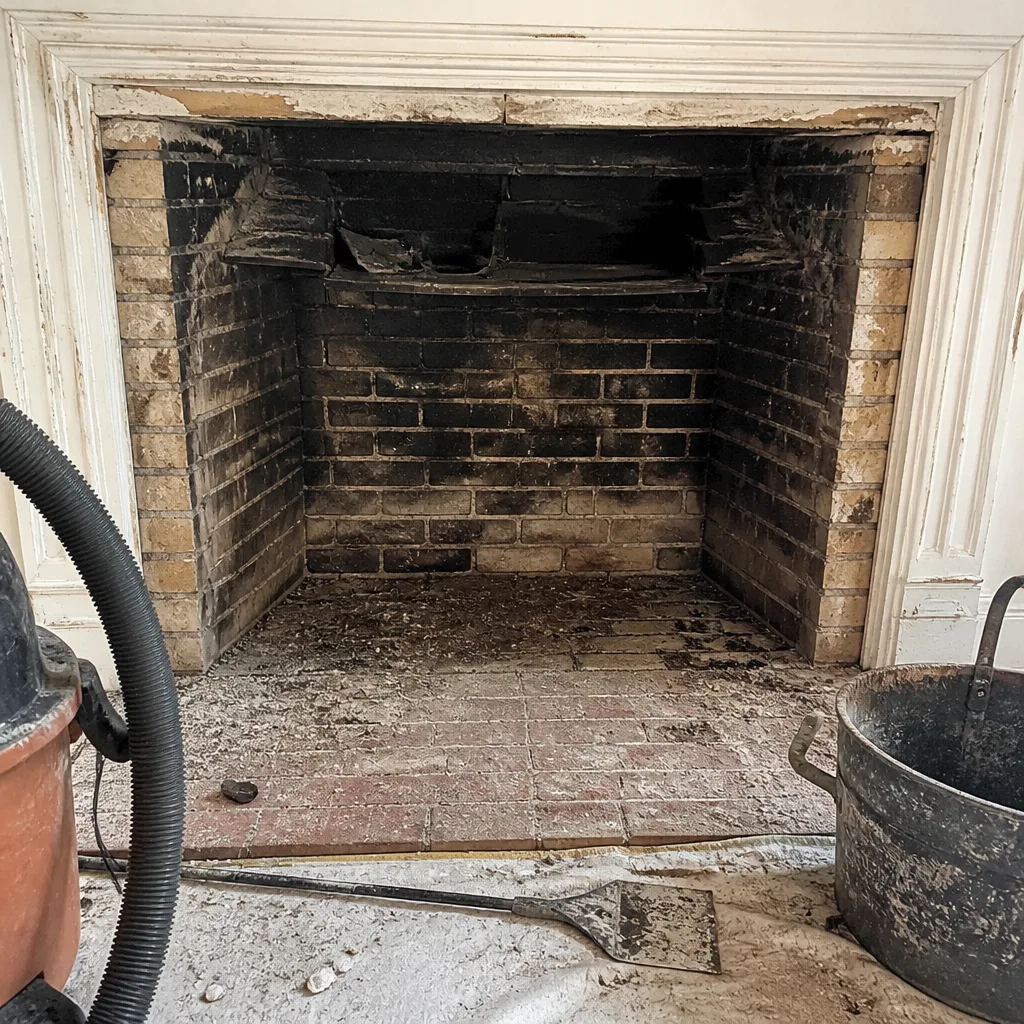
See the difference
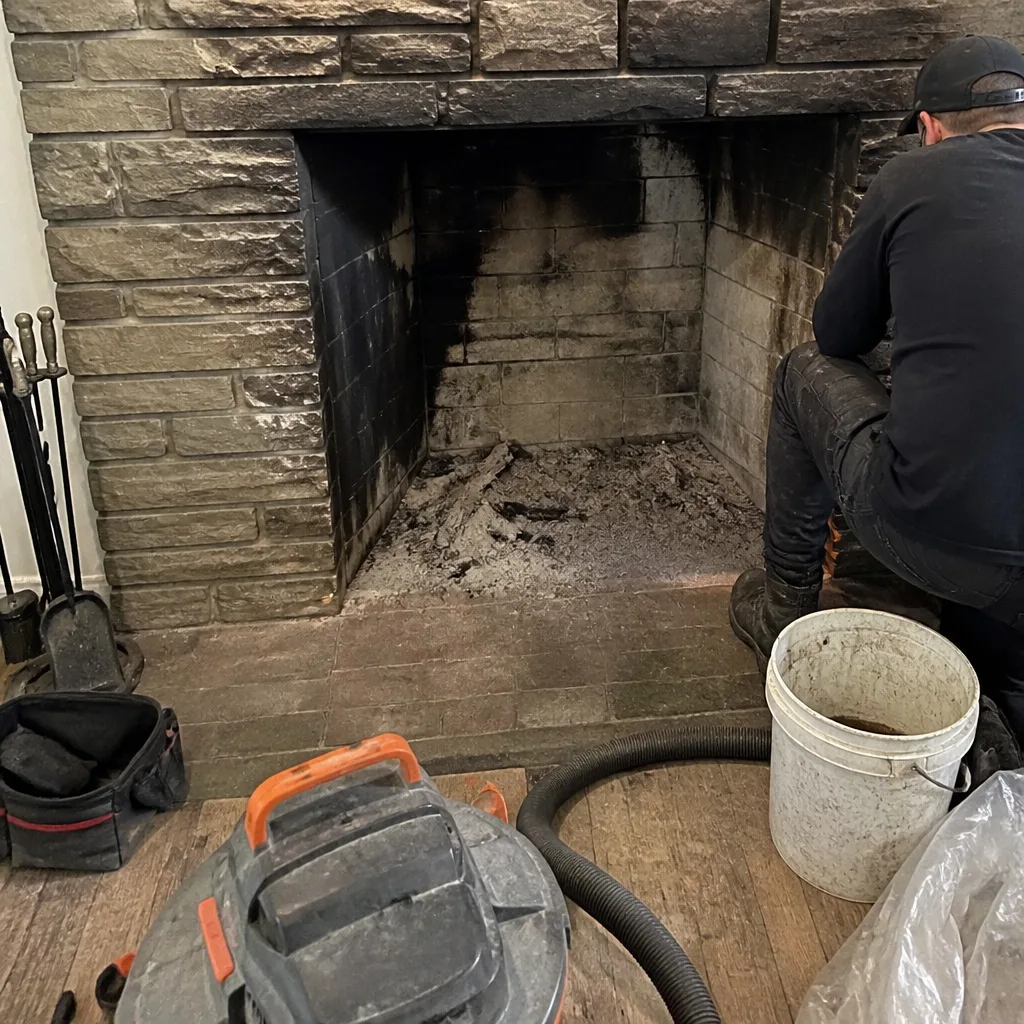 Before
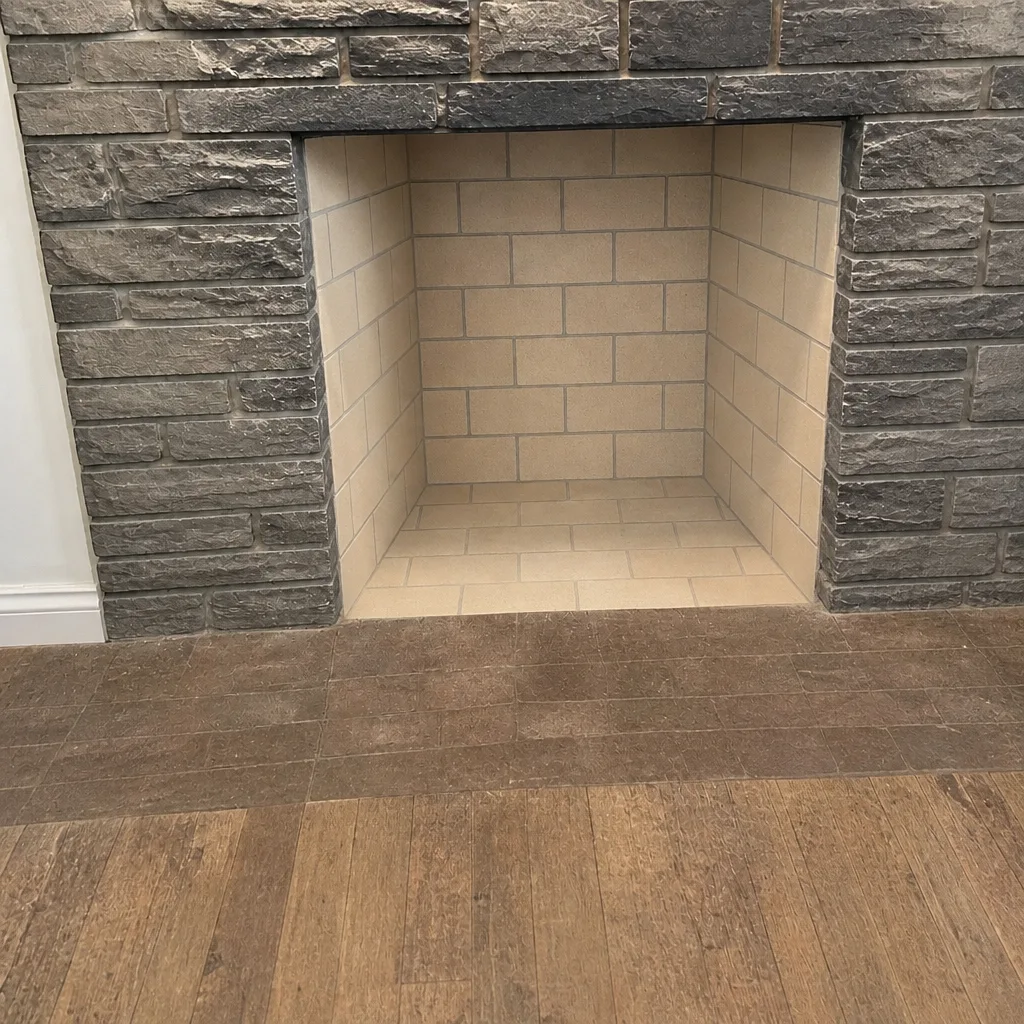 After
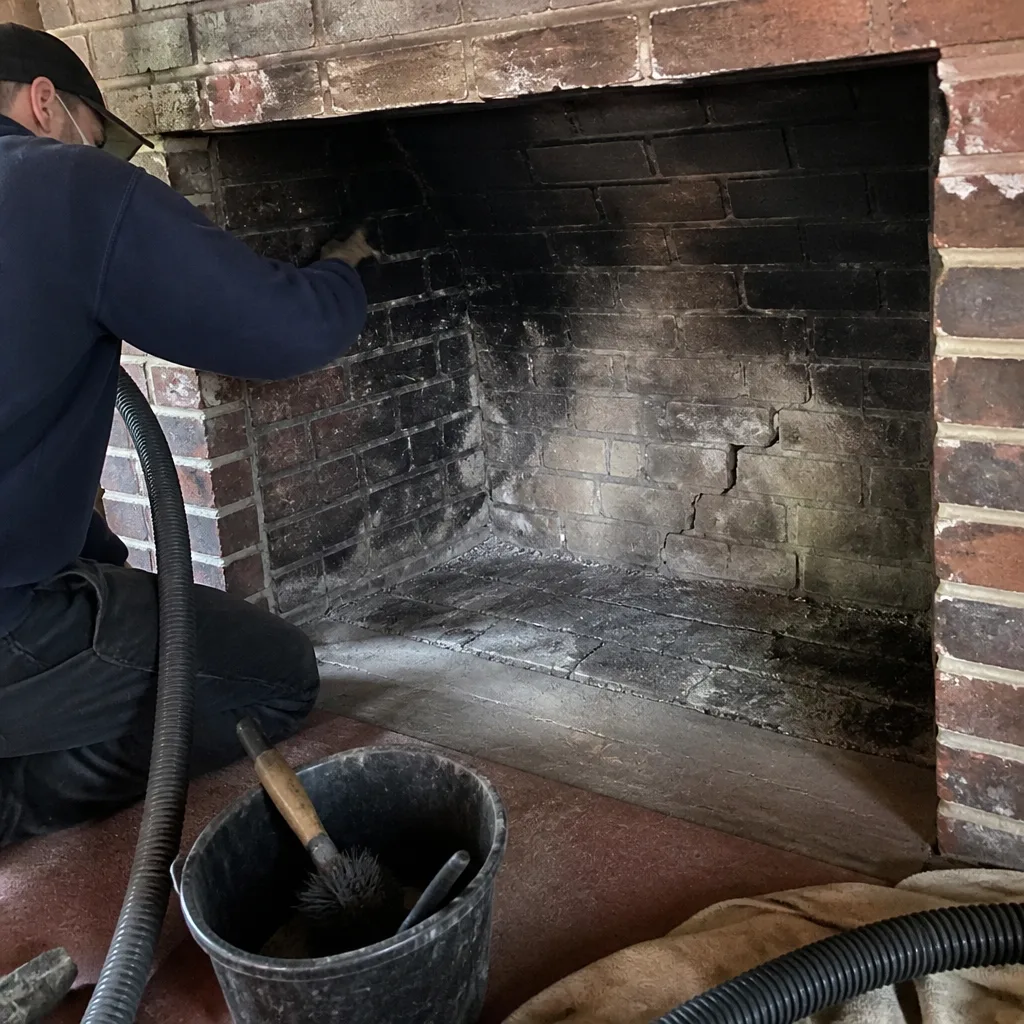 Before
 After
 Before
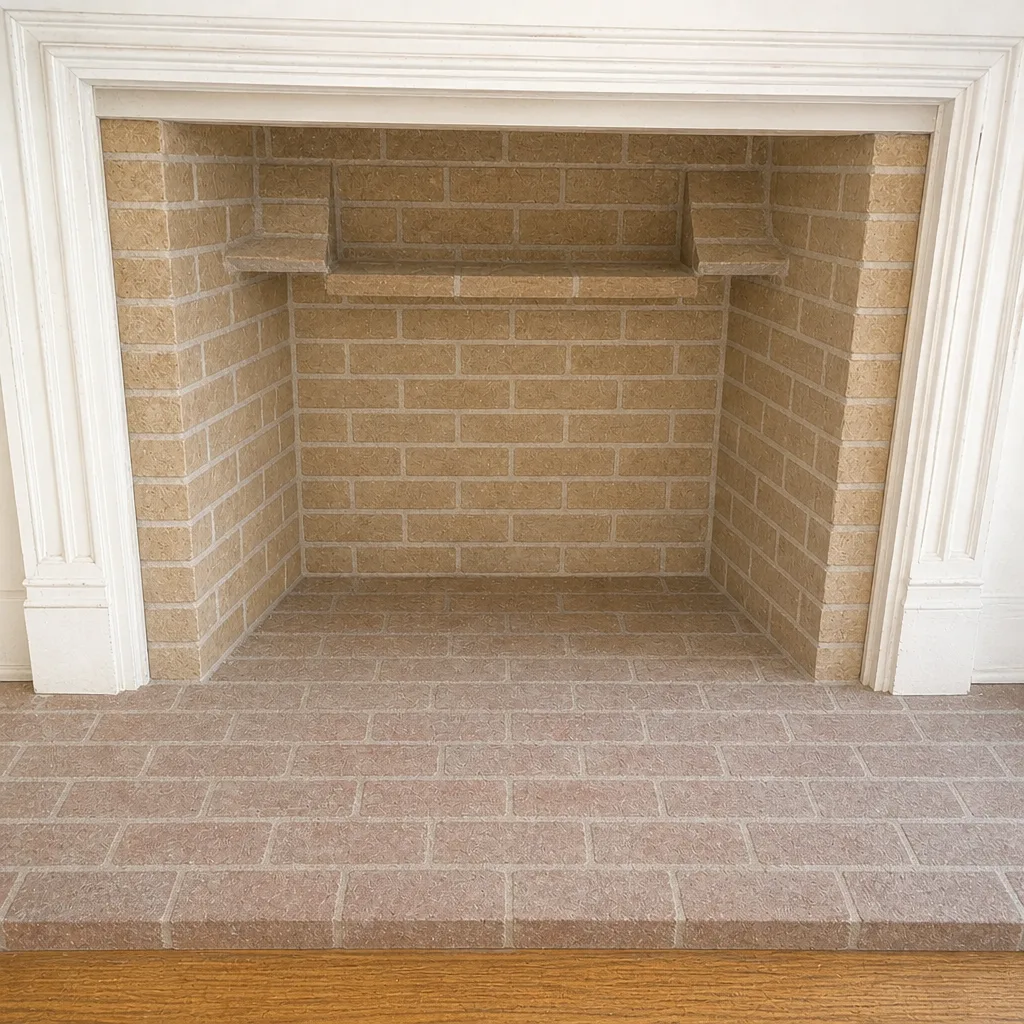 After
When to Call a Professional
There are situations where waiting for the next seasonal window is the wrong move. Call a professional if you see smoke rolling into the room when the fire is going, if the draft weakens noticeably during use, if you smell creosote inside the house rather than at the top of the chimney, if your carbon monoxide detector goes off, or if a chimney block has come loose and landed on the roof. On the exterior, call if you see spalling brick, a broken crown, pulled flashing, rust streaks, or white efflorescence on the chimney breast. In each case, the right response is a proper inspection and a written estimate, not a guess or a hardware-store patch. Chimney Sweep Albany offers free estimates in Albany, so you know the scope and the cost before any work begins. Call (866) 650-9028. We answer 24/7. Fast dispatch from 7am to 7pm, Sunday through Friday.
Frequently Asked Questions
Most chimneys need sweeping roughly once a year, or once per cord of wood burned, and every chimney should have a professional inspection at least once a year. If you burn more than a cord a winter, or have an older clay-tile flue, plan on a sweep and an inspection. Call (866) 650-9028 for an exact quote. Estimates are free.
Skipping a sweep isn’t a missed appointment, it’s a missed signal. Creosote builds up, the draft weakens, and problems like a cracked crown or a deteriorating liner go unnoticed through the seasons. In the worst case, a creosote-loaded flue becomes a chimney fire risk and a blocked or damaged flue becomes a carbon monoxide risk. Neither is a scare story; both are the reason the annual inspection exists.
Yes, and the fall sweep is a different visit. The fall sweep clears last winter’s buildup; the spring check catches what the thaw did to the masonry, crown, and flashing. In Albany’s freeze-thaw cycle, that’s when water damage is most visible and easiest to repair. A fall-only pattern misses the season that matters most.
An Albany chimney often smells in summer because warmth and humidity let creosote and soot release odors into the house. It’s a sign the flue needs cleaning, not that the house is too humid. A cap and a summer sweep usually solve it, and both are easier to book in the slow season.
The only safe homeowner habit between visits is observation: watching smoke, listening to draft, and noting smells. Reaching into the flue, especially in winter with the house in use, is a job for a trained professional because creosote and soot are hazardous materials and the flue is not a safe place to experiment. If something looks wrong, call. We answer 24/7. Fast dispatch from 7am to 7pm, Sunday through Friday.
A proper pre-season visit includes a full creosote sweep, a camera inspection of the flue and liner, a visual check of the firebox and damper, and an exterior look at the cap and crown. Any repair recommendation should come with a written estimate, and on the material side, professional-grade components like Famco or Copperfield caps and dampers should be the standard. Call (866) 650-9028 for an exact quote. Estimates are free.
The Bottom Line
Chimney care in Albany is a year-round habit, not a once-a-year event. The worst damage usually happens in the shoulder seasons, when snowmelt and humidity work on masonry and flues nobody’s watching. A seasonal schedule, spring check for water damage, summer cleaning for odor and moisture, fall sweep before the first fire, winter observation during use, catches problems in the season they show up. The materials and the technique matter as much as the timing, and the same company that inspects the problem should be the company that repairs it. If you’re ready to book a seasonal visit, or you’ve noticed something on the list above, call (866) 650-9028 for a free estimate.
Written by the team at Chimney Sweep Albany.