
Last updated November 15, 2026
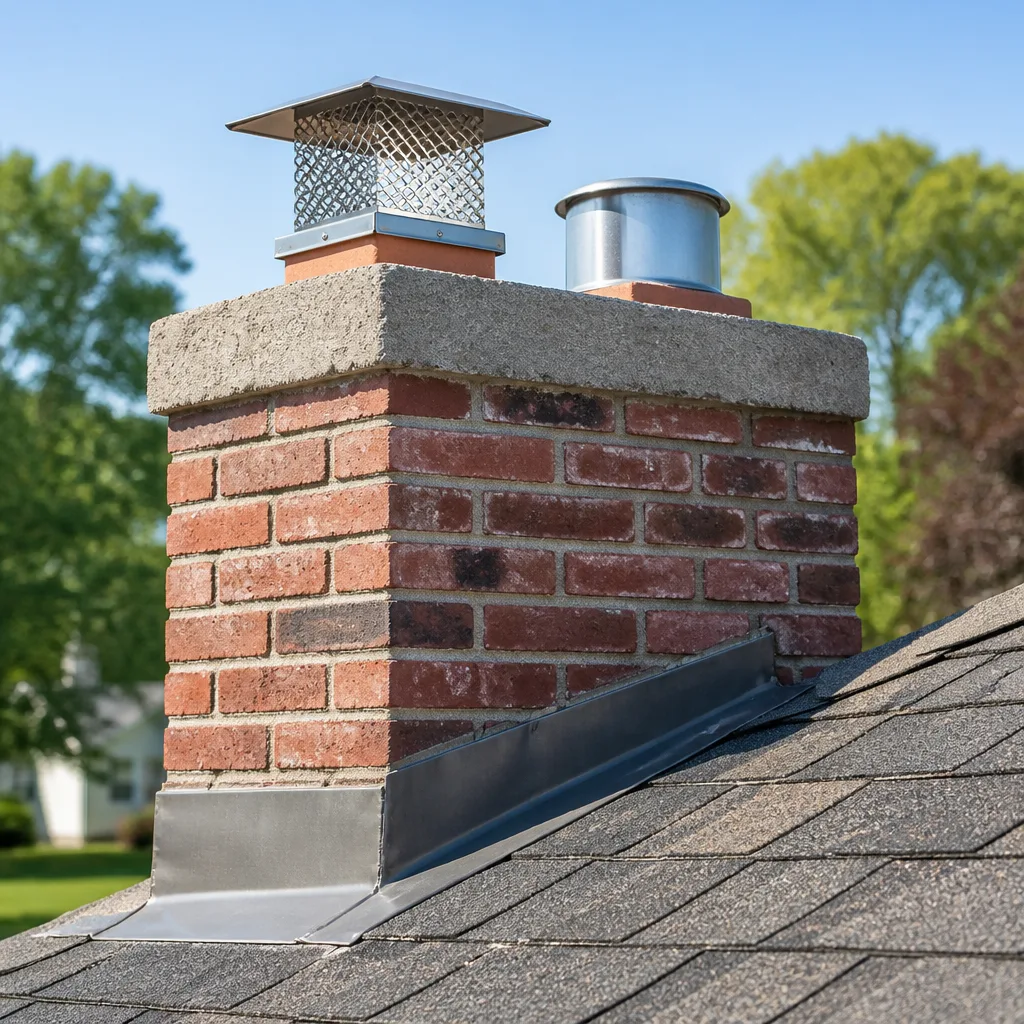 Sweep & inspection
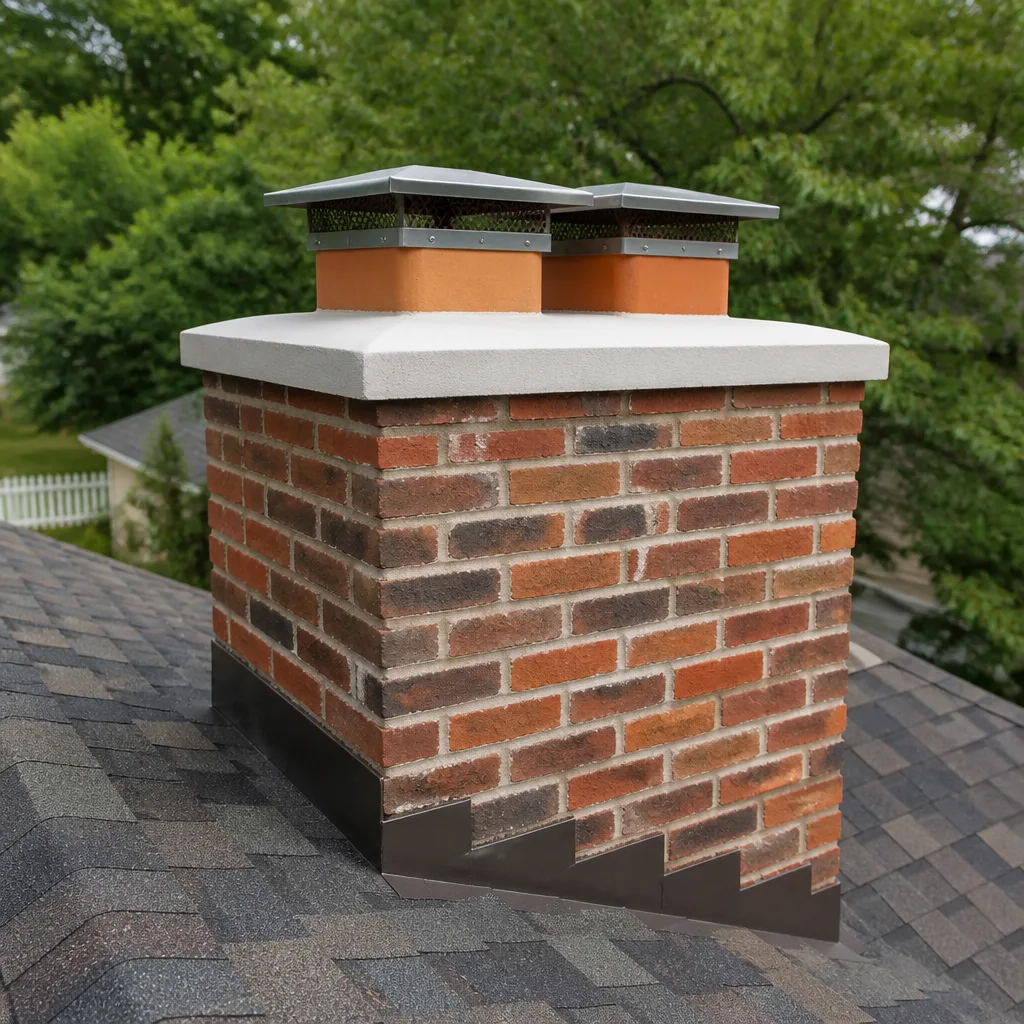 Caps & crowns
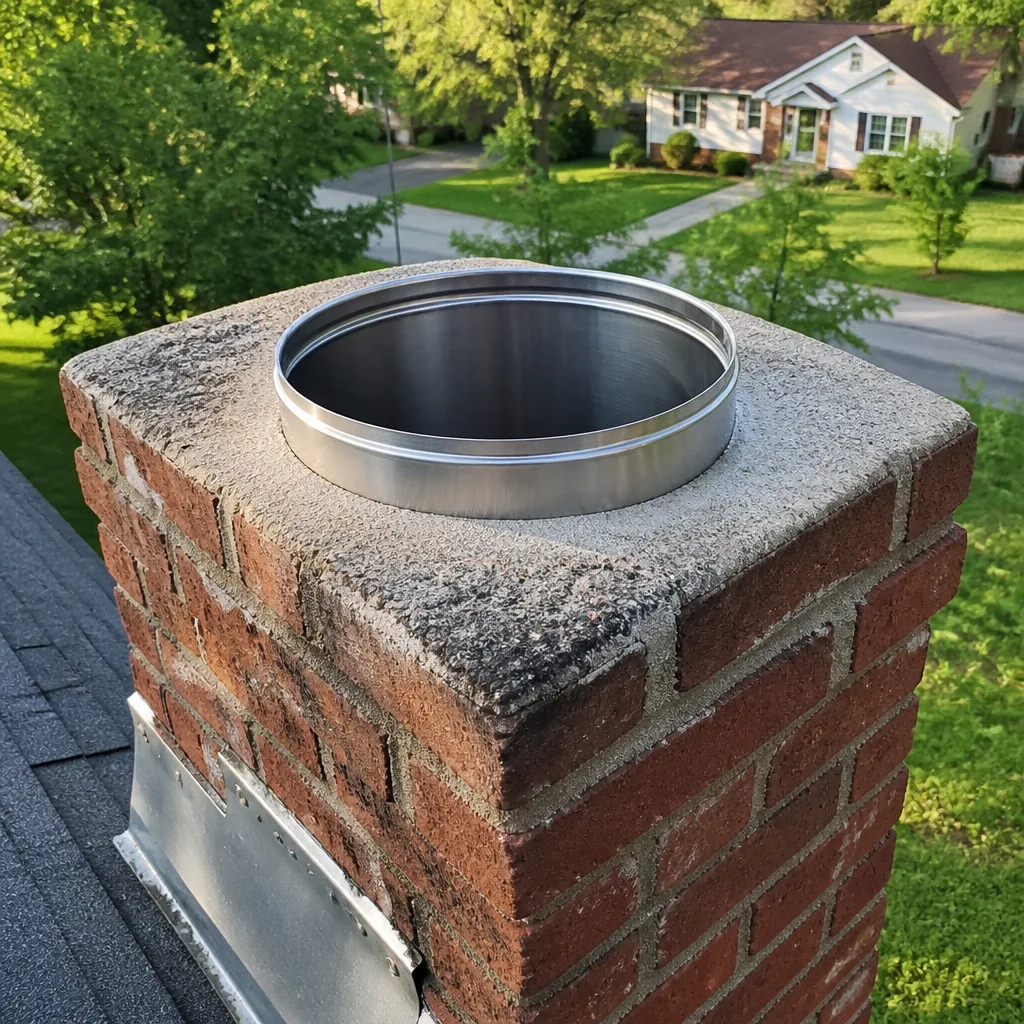 Flue relining
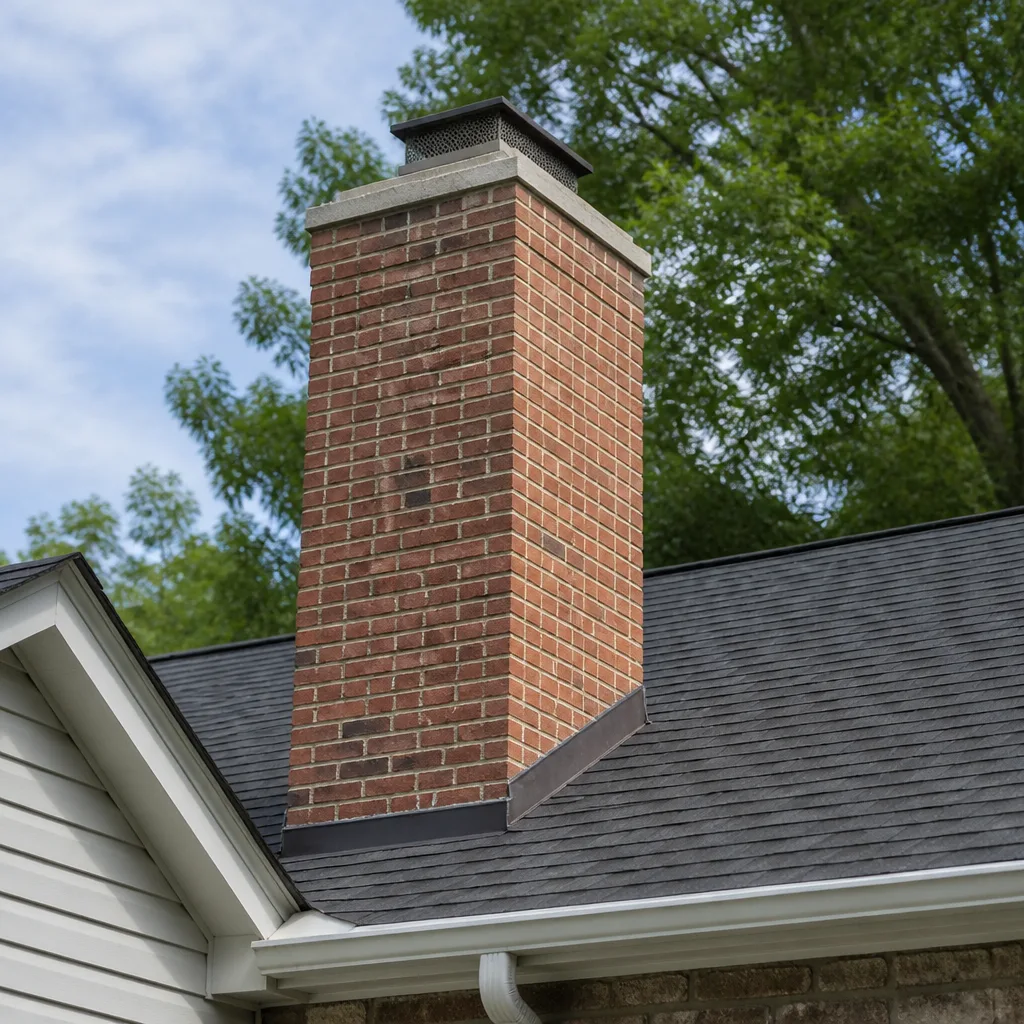 Masonry repair
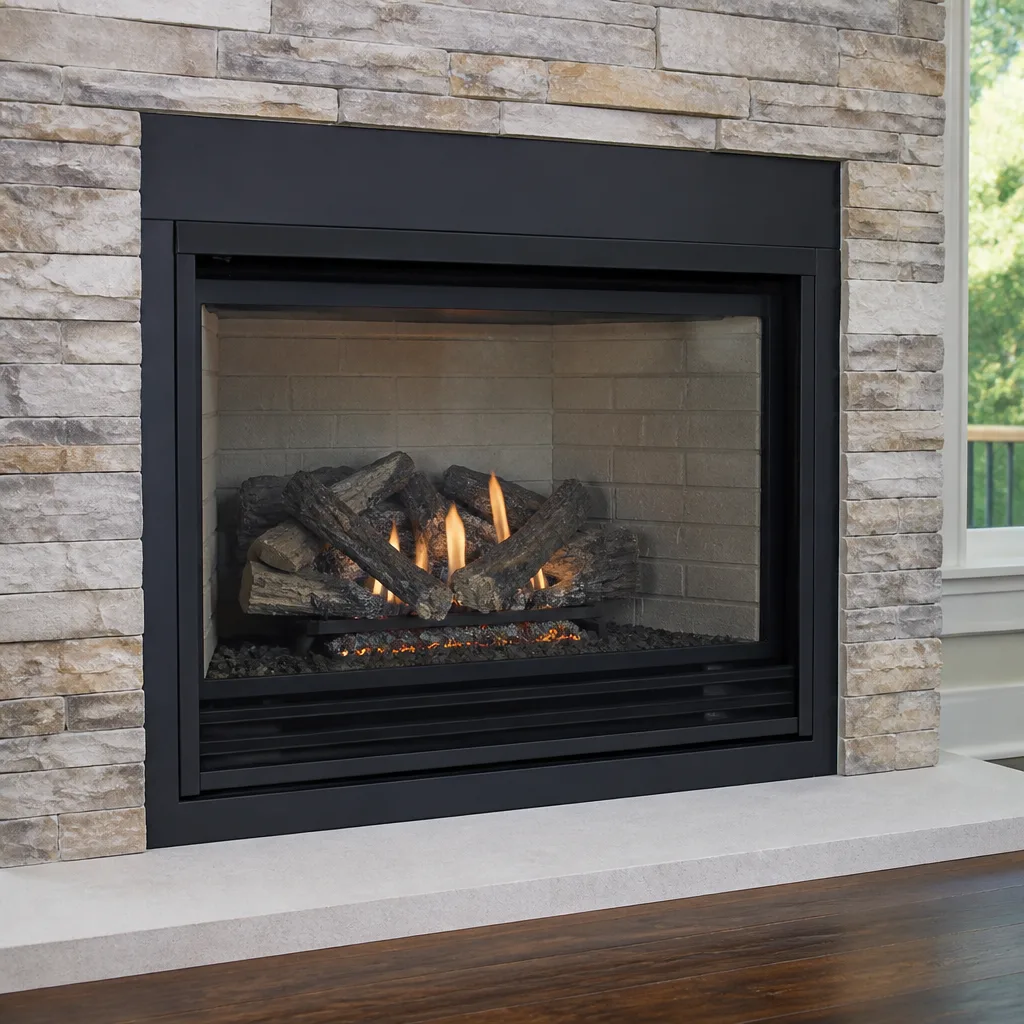 Gas fireplace service
Level 1 sweep and inspection to the NFPA 211 annual standard - flue, crown, cap, and flashing checked and photographed
Chimney sweep logs do not sweep chimneys. They loosen some creosote - which then falls where a brush and vacuum still have to collect it.
DIY vs Professional Chimney Cleaning: The Albany Homeowner’s Decision Guide
You can rent a chimney brush kit for $40 and physically remove loose creosote from a flue. That part is true, and it’s the reason the DIY versus professional debate keeps resurfacing every fall. But here’s what the rental counter won’t tell you: there are three distinct stages of creosote, and the brush only touches one of them. Stage 2 glazed creosote has bonded to the flue wall and requires chemical treatment before brushing can do anything at all. If you don’t know which stage you’re looking at, you’re cleaning the flue and leaving the fire hazard behind. This guide is about that gap, the diagnostic one, not the cost one, and what it means for Albany homeowners with older chimneys before the first fire of the season.
Quick Answer
DIY chimney cleaning is reasonable for light Stage 1 soot and ash between professional visits, on a chimney you already know is sound. It is not a substitute for an annual professional inspection and sweep, because a brush alone cannot remove glazed creosote, cannot see a cracked clay liner tile, and cannot document your chimney’s condition in a way your insurer will recognize. For Albany’s older housing stock in particular, offset flues and multi-flue chimneys need a camera assessment before anyone runs a brush down them, homeowner included.
Styles & brands we work with
- Sweep & inspection
- Caps & crowns
- Flue relining
- Masonry repair
- Gas fireplace service
Table of Contents
- What DIY Sweeping Can and Cannot Remove
- The Equipment Gap: What a Camera Sees That a Flashlight Cannot
- Why Albany’s Building Stock Changes the Decision
- Liability and Insurance: The Documentation Question
- The Decision Matrix: When DIY Is Fine and When It Isn’t
- Safe DIY Maintenance Between Professional Visits
- Red Flags That Mean Stop and Call
- Frequently Asked Questions
What DIY Sweeping Can and Cannot Remove
Creosote forms in three recognizable stages, and knowing them is the whole ballgame. Brush-only cleaning works on exactly one.
- Stage 1: Soot and flaky creosote. Black, powdery, brushes off easily. A homeowner with the right brush and proper technique can remove this from a straight flue.
- Stage 2: Glazed creosote. A hard, shiny, tar-like shell bonded to the flue wall. A brush passes over it and does nothing. It has to be chemically softened before it can be scraped, which is a professional treatment step, not a brushing step.
- Stage 3: Baked-on glaze. Heaviest concentration, thick enough to narrow the flue. Aggressive brushing here can crack clay tiles, and the only correct fix is professional removal, sometimes with liner replacement.
The catch is that Stage 2 and Stage 3 are visually similar to a homeowner without a focused light and a scope. A flashlight beam down the flue shows you darkness with black on the walls. It does not reliably distinguish “fine” from “glazed.” So the $40 brush kit removes the harmless layer, gives the homeowner a sense of accomplishment, and leaves the actual fire hazard untouched. The fire hazard is the glazed creosote, and it’s the layer that cannot be brushed away.
In our experience across Albany, the calls that turn into real work are almost always Stage 2 or higher. A homeowner swept in October, burned through the winter, and calls in January about a chimney smell. The brush cleared the soot. It never touched the glaze. That’s not a criticism of the homeowner’s effort, it’s a description of what a brush physically does.
The Equipment Gap: What a Camera Sees That a Flashlight Cannot
The diagnostic limitation is the real argument, not the cleaning. A professional video inspection system is a camera on a flexible rod with its own light source, feeding a live picture back to a monitor. That picture is not a better version of a flashlight beam. It’s a different category of information.
Here’s what a camera reveals that a mirror and a flashlight physically cannot:
- Hairline cracks in clay liner tiles that a homeowner simply cannot see from the firebox, and that a mirror tucked into the flue won’t catch because the crack is running lengthwise behind the mirror’s view angle.
- Gaps at tile joints where the mortar has failed and heat can reach framing. These joints sit behind the visible flue opening.
- Offset sections in older chimneys where the flue jogs to clear a roofline or a wall. This area is invisible without a camera and is where creosote tends to collect.
- Improperly sized liners that were retrofitted decades before current sizing standards and that restrict draft, causing more creosote buildup over time.
- Missing or disconnected liner sections in chimneys that were relined at some point, sometimes not correctly.
This is the difference between sweeping soot out of a flue and diagnosing what’s behind the soot. It’s also why the professional side of this debate is not about labor. It’s about the tools required to see the problem at all. Our technicians have up to experience, and the single most useful skill in those years is reading a camera image correctly, because a shadow on a liner tile is not the same thing as a crack, and mistaking one for the other leads to either unnecessary work or missed damage.
Why Albany’s Building Stock Changes the Decision
Albany has a substantial inventory of older homes, and that inventory shapes how chimney work should be approached. Much of it is not the straight-shot, single-flue, modern construction that makes a DIY brush kit feasible.
- Offset flues. Many older Albany chimneys jog around a roofline or an interior wall. A brush run down an offset flue without a camera to guide it can lodge, damage tiles, or simply miss the walls in the angled section entirely.
- Multiple-flue chimneys. A chimney with three flues, say, one for the fireplace, one for the furnace, one for an old water heater, has multiple chambers that each need separate inspection. A homeowner sweeping the fireplace flue has no reason to suspect the adjacent flue, which may have a completely separate problem.
- Clay liner systems. Traditional clay tile liners crack as they age and as houses shift. A crack in a clay tile lets heat and carbon monoxide reach framing and living space. It is not visible from the firebox, and it is not something a brush can detect.
This is why professional assessment before cleaning makes sense for these chimneys rather than after. If the liner is already compromised, running a brush down it can make things worse. A camera check first is what the inspection is for. In Albany, we routinely find that the questions worth asking about a chimney only show up once someone has actually looked at it with proper equipment.
Specific weather plays a role too. Albany’s cold season puts a burning chimney through repeated heating and cooling cycles, and that cycling is hard on older brick and mortar joints. Chimneys that held up in a mild winter can show fresh mortar spalling by the following spring. That’s not a reason to panic, but it is a reason to have the chimney looked at every year rather than every few.
Liability and Insurance: The Documentation Question
There’s a question homeowners rarely raise at the rental counter but that matters a great deal if a fire or a carbon monoxide event ever occurs: was the chimney cleaned and inspected in a documented, code-referenced way?
NFPA 211 is the standard that governs chimney safety. When a professional inspection follows that standard, it produces a written record: the date, the condition of the flue, what was observed, what was recommended. That record exists. It can be produced if an insurance adjuster asks for it. A homeowner sweeping their own chimney is, in effect, self-certifying that the chimney is clean and sound, without either the camera image or the standard to back it up.
Insurers do not uniformly require professional sweep documentation, and we’re not going to pretend otherwise. But the standard for reducing risk is on file for a reason, and it changes the conversation after an incident. If the claim gets investigated, a written inspection record is evidence you took reasonable care. A homeowner’s memory is not. For a chimney that’s already been flagged for glazed creosote or a liner crack, the difference between “we had it professionally inspected and it was documented” and “we swept it ourselves” is significant.
One more note on liability: if you rent, or if the chimney belongs to a property you don’t fully own, self-certifying a chimney as clean can shift risk onto you. Proper documentation through a professional inspection avoids that entirely.
The right move is a yearly inspection that includes a written condition report, and if repairs come up, a clear scope of what needs to happen and what can wait. A well-run chimney service will say plainly when work can wait. We do.
The Decision Matrix: When DIY Is Fine and When It Isn’t
Here’s a concrete way to decide, organized by scenario.
DIY is a reasonable supplement when:
- The chimney has been professionally inspected within the past year and nothing was flagged as unsafe.
- The firebox and flue are straight, single-chamber, and accessible with a brush kit from the firebox.
- You’re removing seasonal soot and ash buildup between professional sweeps, not addressing a smell or a performance problem.
- You already know you don’t have glazed creosote because a camera inspection confirmed it.
- You’re removing ash from the firebox and dropping a creosote-log-style product into the fire as routine maintenance, which is nowhere near a substitute for a real sweep.
DIY creates false confidence when:
- The chimney has never been inspected, or was last inspected more than a year ago.
- The chimney is in an older Albany home with an offset flue, multiple flues, or a clay liner of unknown condition.
- You’re sweeping because you can’t get draft, or because the fire smokes or backdrafts. That’s a diagnosis problem, not a cleaning problem, and brushing the soot out doesn’t tell you why.
- You’ve been told before (or suspect) that you have Stage 2 creosote. Chemical treatment comes before brushing, and that’s a professional process.
- There’s a distinct creosote smell in the house or the firebox looks unusually black and shiny.
- You’ve just had a chimney fire, even a small one. Cleaning after a fire requires inspection first, not a brush.
The pattern is simple. DIY is fine as maintenance on a known-good chimney. It’s the wrong tool for a chimney of unknown condition, and that’s the whole reason the decision exists.
Safe DIY Maintenance Between Professional Visits
If the chimney has been professionally inspected, here’s what a careful homeowner can reasonably do between sweeps, and it’s mostly about management rather than sweeping.
- Clean out the firebox ash. Empty the firebox between burns. Ash buildup doesn’t cause fires, but it does reduce the firebox’s clearances and make it harder to see the liner, which matters if you actually need a visual check.
- Check the barn door or glass, the damper operation, and the cap. From the ground, look at the chimney cap. Is it secure? Are there birds or debris visible? A cap that has come loose lets water and animals in and is a genuine problem, but it’s not a sweeping one, so note it and get it fixed.
- Watch what goes into the fire. Burn dry, seasoned wood. Unseasoned wood produces more creosote, which shortens the interval between sweeps. Never burn trash, cardboard, or treated wood.
- Keep an eye on the flue visual from the firebox. You can look up the firebox opening with a strong light to check for obvious soot flaking. That’s a look, not a sweep, and it’s not a replacement for the camera inspection.
- Note anything that smells off. A creosote smell inside the house when the fireplace is not in use usually means a draft problem or a buildup, and it’s worth a call rather than a brush.
What we would not do between professional visits is run a brush down a chimney you haven’t had inspected, or attempt to scrape or displace glazed creosote by hand. A brush can dislodge a tile or a chunk of creosote that then collects at a bend; those are both problems that show up in a fireplace near you, and they’re avoidable.
Red Flags That Mean Stop and Call
Some conditions are an immediate stop, even for an experienced homeowner with a brush:
- A chimney fire at any point, even a small one. A fire can crack tiles and loosen mortar without any visible sign from the firebox.
- Strong creosote smell in the house, or visible glazed creosote on the firebox walls.
- Smoke rolling back into the room, or a fire that will not draw.
- Cracked or spalling masonry on the outside of the chimney, or damaged flashing at the roofline.
- Water staining on the chimney interior or ceiling, which suggests a cap or crown problem.
- Any carbon monoxide alarm event in the home, ever. That’s a chimney and venting question, and it needs a professional assessment, not a brush.
Any one of these makes the professional sweep the first call, not the backup plan. Our technicians have up to experience, and the pattern we see is that the incidents that turn serious are the ones where a warning sign got swept past, literally and figuratively.
Frequently Asked Questions
For a routine sweep and inspection, you’re typically looking at somewhere in the low hundreds of dollars, depending on the chimney’s condition and any add-ons like camera inspection and a cap check. A written, fixed estimate is standard, and it sets the final price before any work begins. Call (866) 650-9028 for an exact quote.
You can brush loose Stage 1 soot out of a straight, single-flue chimney that a professional has already inspected and cleared. You cannot remove glazed creosote with a brush, and you cannot see cracks, offset sections, or failed joints without a camera. On an uninspected Albany chimney, do the inspection first. Call (866) 650-9028 to book one.
Creosote accumulates and moves from Stage 1 flaky buildup to Stage 2 glazed creosote that bonds to the flue wall. Glazed creosote is the fuel for a chimney fire, and the more there is, the harder the fire is to contain. It can also restrict draft and let carbon monoxide back up into the house. The cheap annual sweep is now a chemical treatment and sometimes a liner job. The earlier you catch it, the less it costs. Call (866) 650-9028 for an assessment.
A cleaning removes what’s in the flue. An inspection assesses the flue’s condition with a camera and a light, and produces a written record. They are different services, and a proper sweep does both. That’s why the company doing the sweep should also be the one inspecting, because the person reading the camera image is the person recommending what to do about it.
Not always, and a good chimney service will tell you so. HeatShield flue resurfacing can restore a deteriorated clay flue in many cases without a full liner replacement, and DuraFlex flexible liner systems are the right answer when the clay is too far gone or the flue is irregular. The decision comes from the camera image and the liner’s condition, not from a sales default. Insist on seeing the image. Call (866) 650-9028 to book an inspection with photo documentation.
Annually is the working standard, and more often if you burn heavily through the cold season. Albany’s long winter means more burn cycles than a milder climate, and each cycle adds creosote. If you can’t remember the last time it was done, that’s the answer: do it before the first fire of the season, not after.
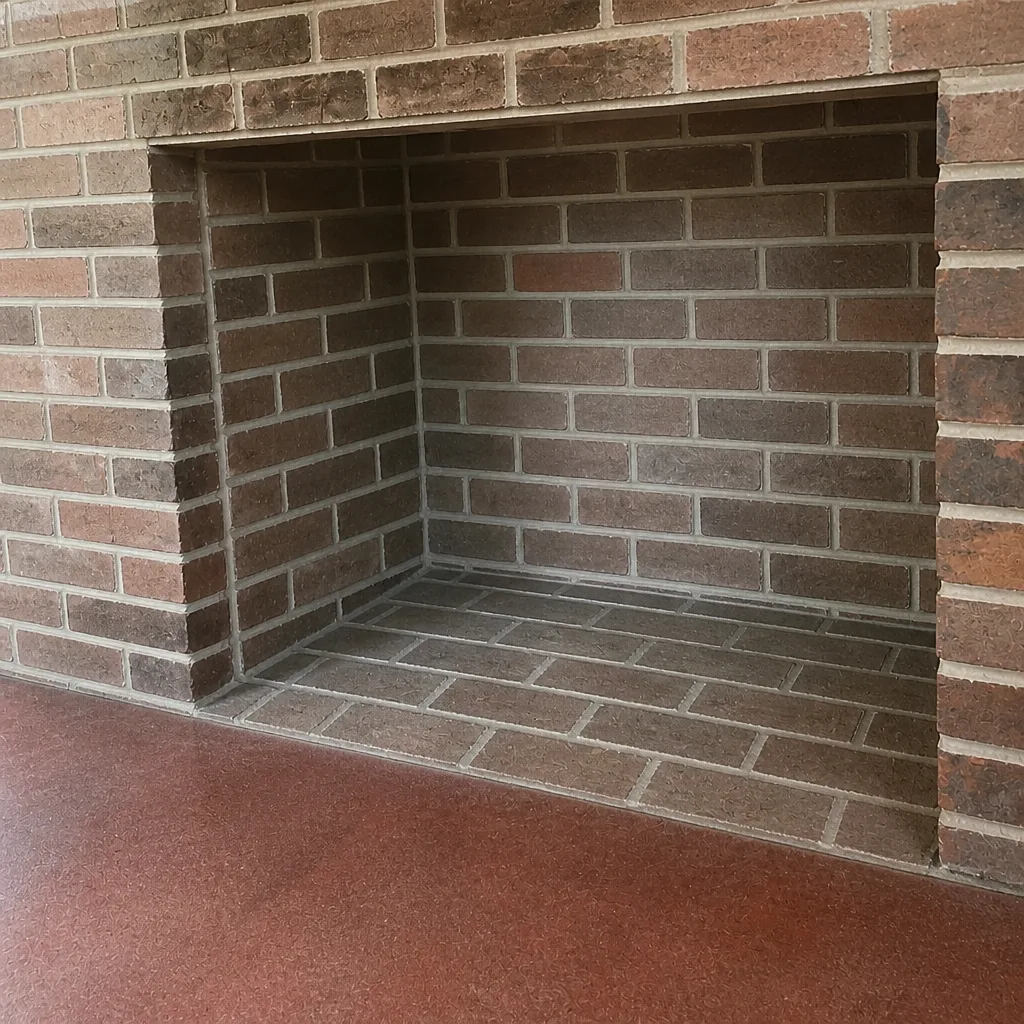
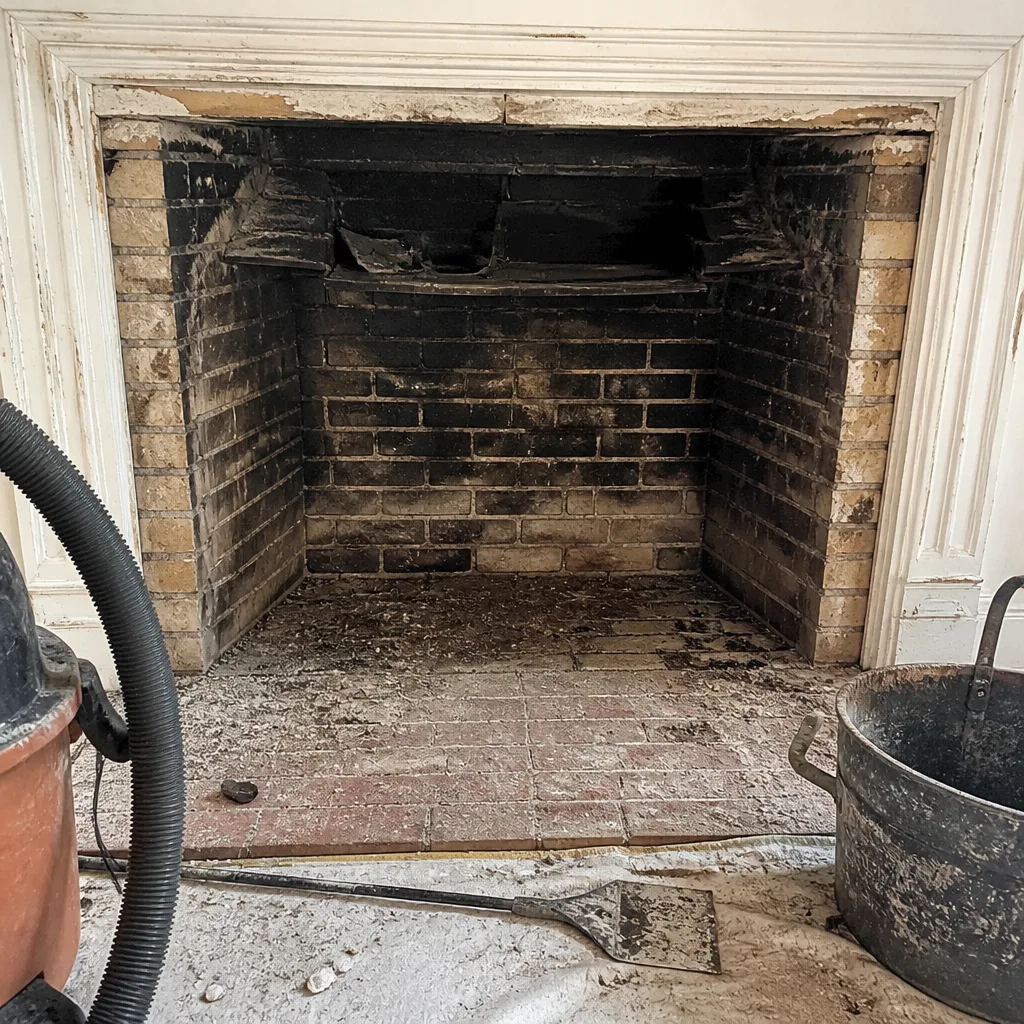
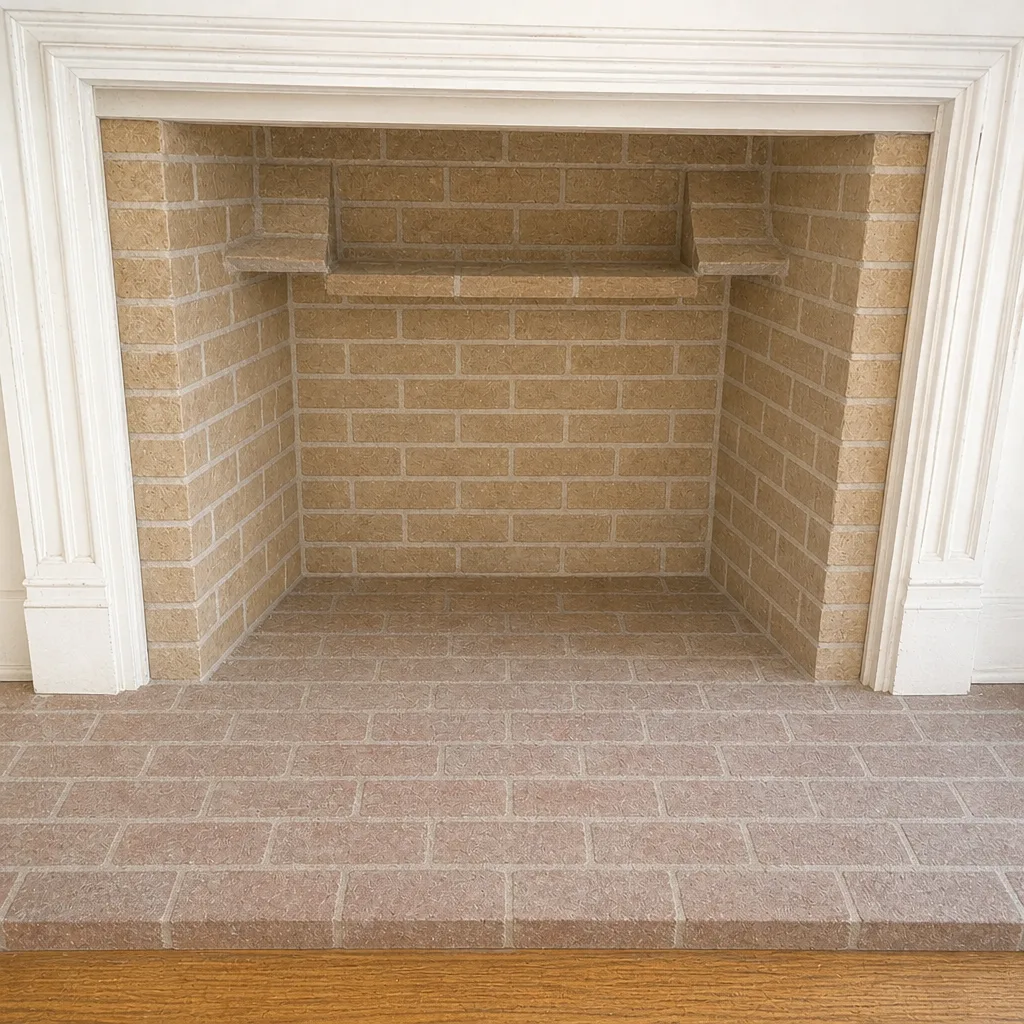
See the difference
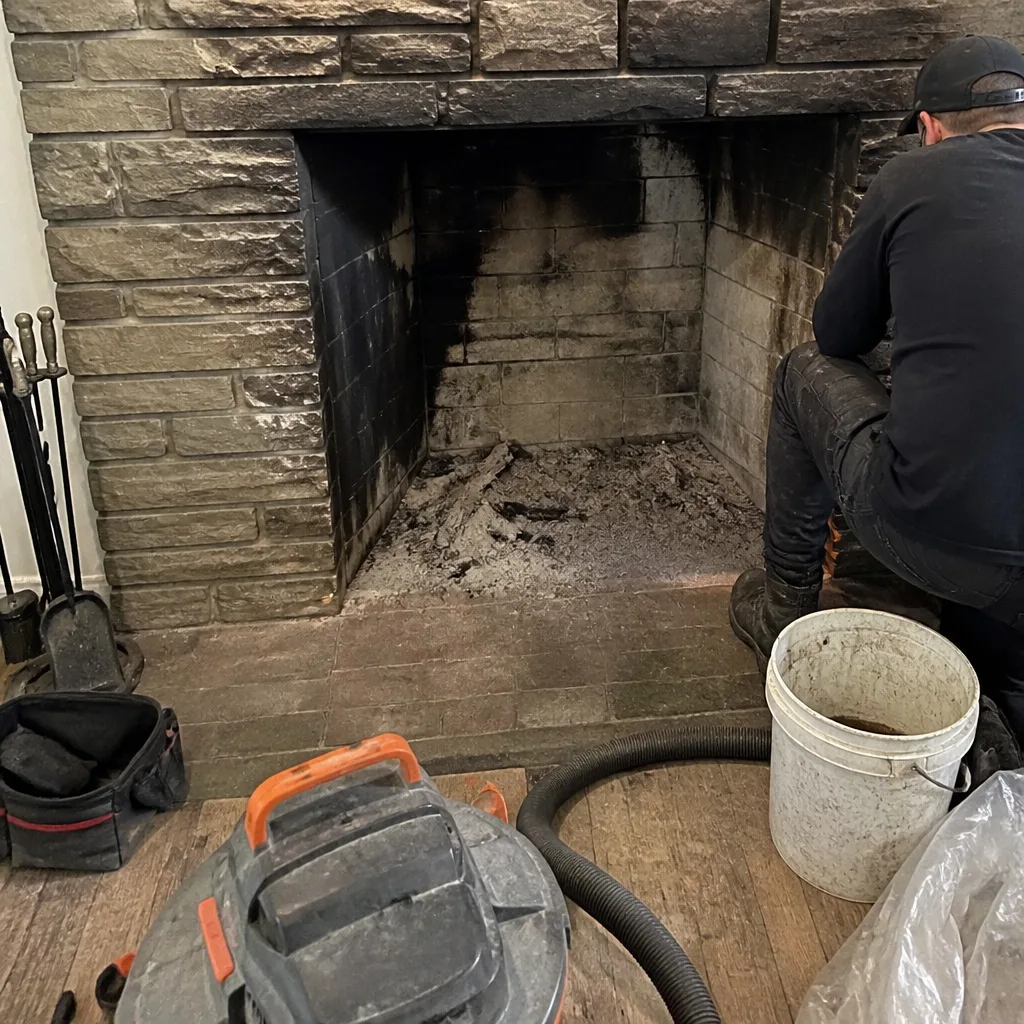 Before
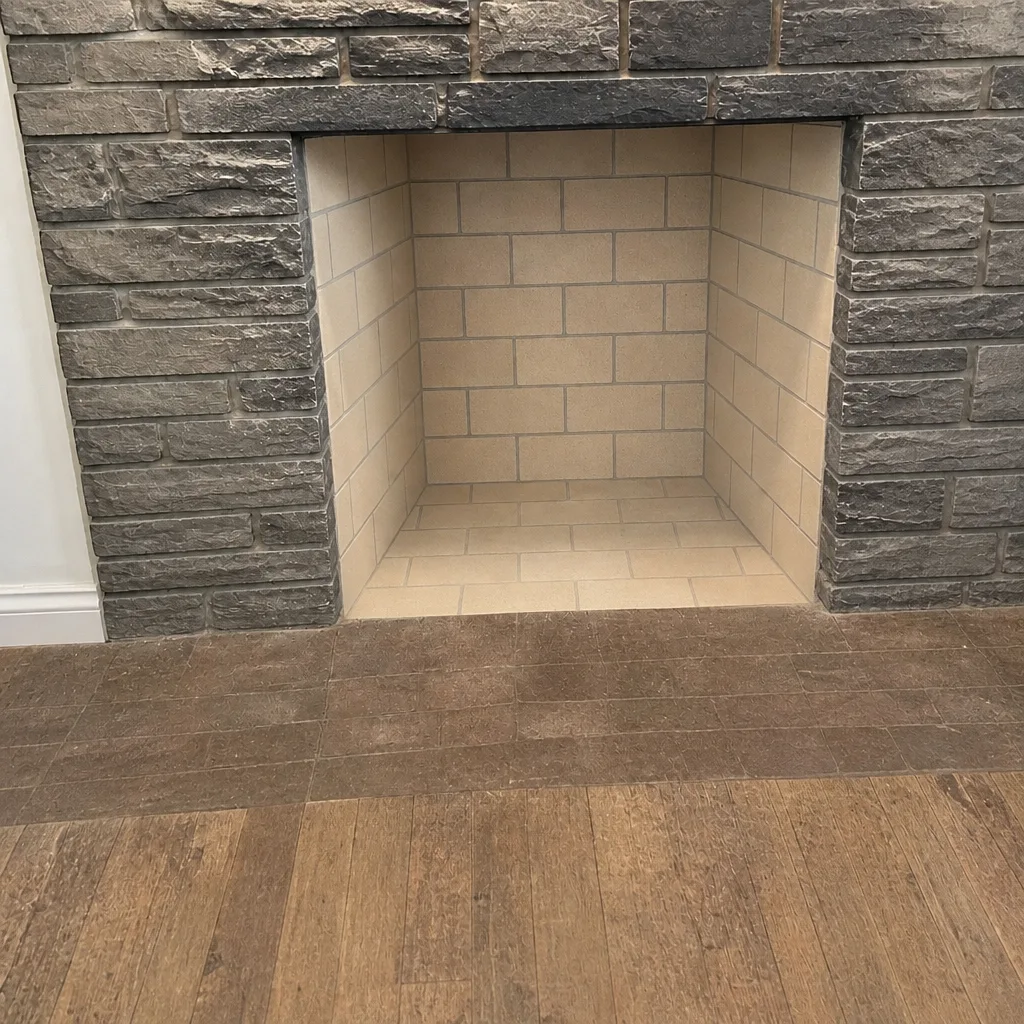 After
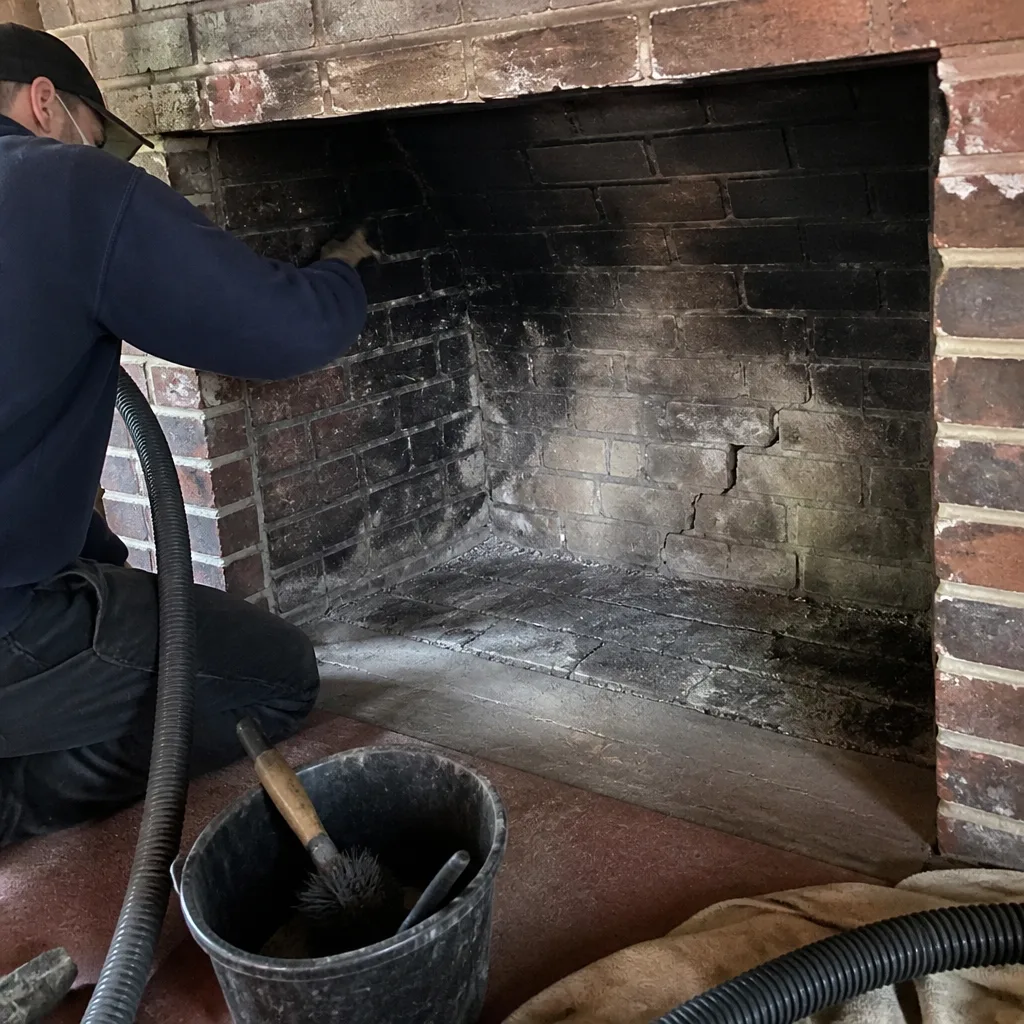 Before
 After
 Before
 After
When to Call a Professional
Call a professional if the chimney has never been inspected, if it’s been more than a year since the last sweep, if there’s a creosote smell, smoke rollback, a chimney fire in the history, cracked or spalling masonry, water intrusion, or any carbon monoxide alarm event. Call if you can’t see what’s inside the flue and want to know before you light a fire. Call if the chimney is in an older Albany home with an offset flue, multiple flues, or a clay liner of unknown condition. Also call if you plan to do your own maintenance between sweeps and want a professional baseline first, because a clean chimney and a sound chimney are two different facts, and only one of them is safe. Chimney Sweep Albany offers free estimates in Albany. Call (866) 650-9028. We answer 24/7. Fast dispatch from 7am to 7pm, Sunday through Friday, and we’re closed Saturday.
The Bottom Line
DIY chimney cleaning removes soot and ash from a flue you already know is sound. It does not remove glazed creosote, and it cannot see a cracked clay tile, an offset flue section, or a failed joint. The real difference between DIY and a professional sweep is diagnostic capability, not effort. For a newer, straight, single-flue chimney that’s been inspected this year, a careful homeowner can manage between visits. For Albany’s older housing stock, with its offset flues and aging clay liners, the professional inspection comes first, and the sweep follows from what the camera finds. If the chimney can’t wait, we can book it.
When the camera shows a problem, the same team that inspects handles the repair. We work with DuraFlex flexible liner systems and HeatShield resurfacing for liner restoration, and Copperfield and Famco components for caps, dampers, and venting, so you’re not coordinating a sweep with one company and a repair with another. Professional-grade materials, not hardware-store substitutes.
Ready to stop guessing and get a documented answer on your chimney’s condition? Call (866) 650-9028 for a free estimate. We answer 24/7. Fast dispatch from 7am to 7pm, Sunday through Friday. You’ll get an inspection with photo documentation, a fixed-price written estimate before any work, and a straight answer on what can wait and what can’t.
Written by the team at Chimney Sweep Albany.