
Last updated November 15, 2026
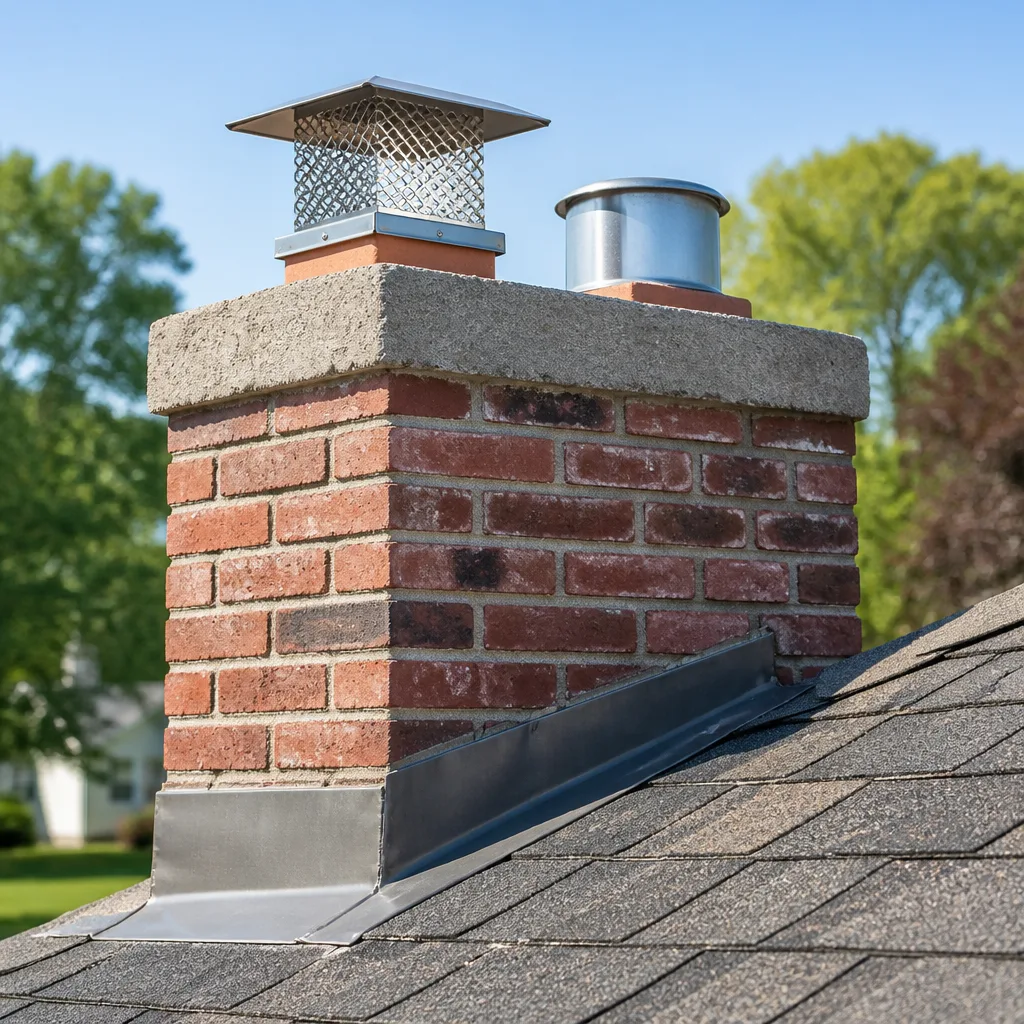 Sweep & inspection
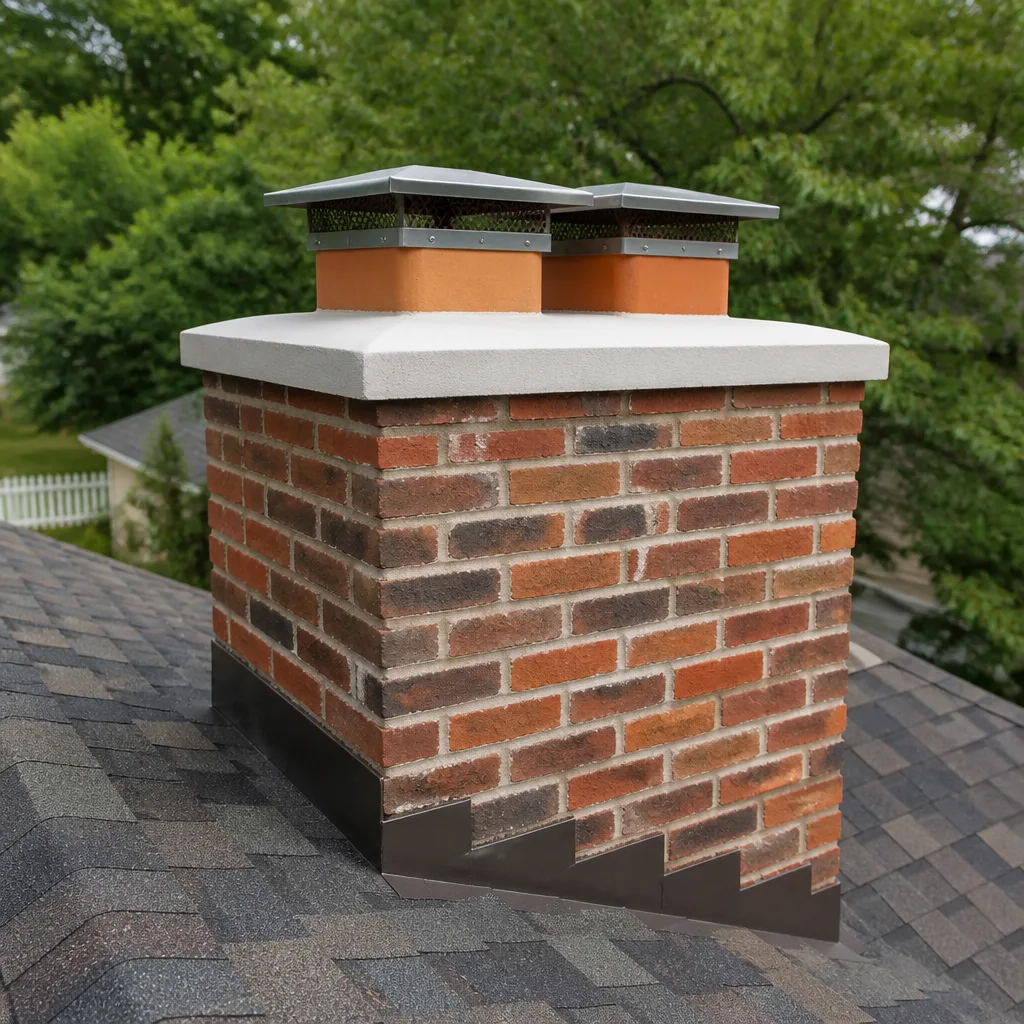 Caps & crowns
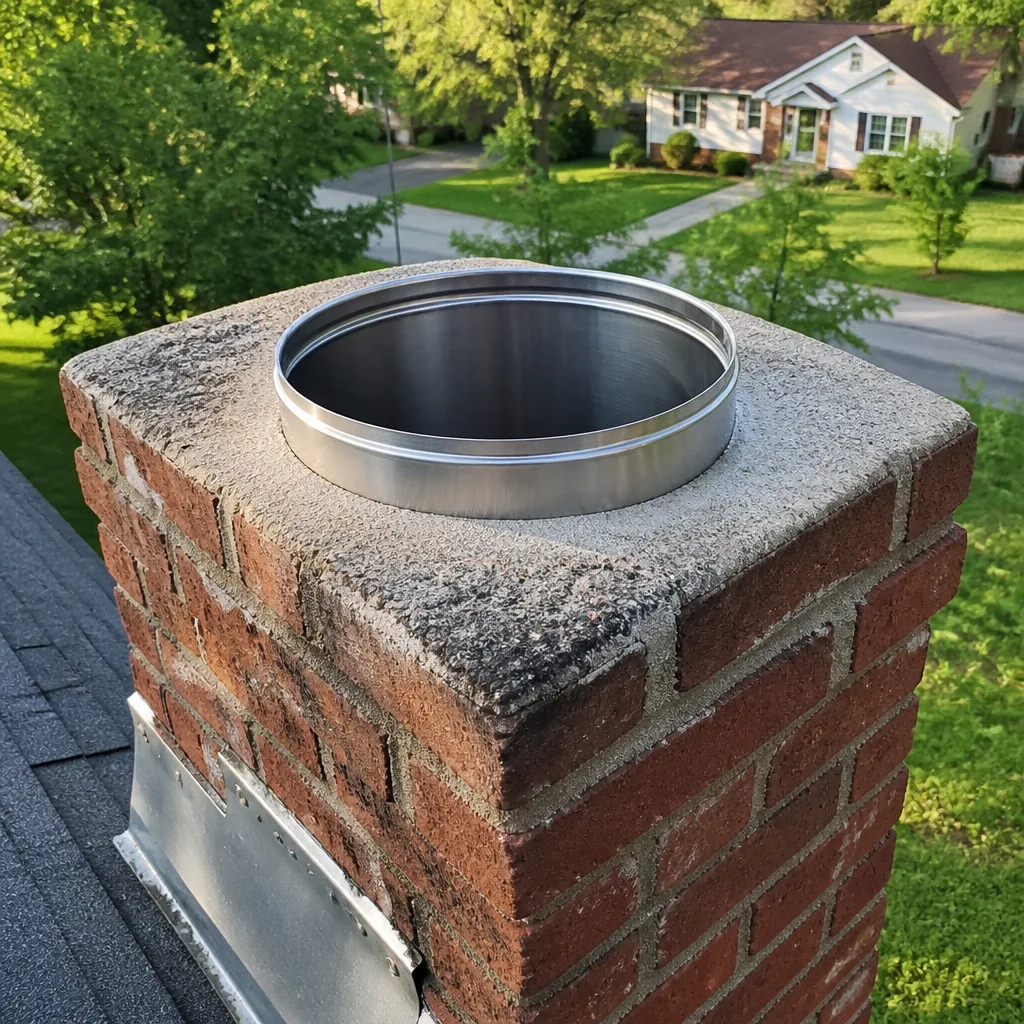 Flue relining
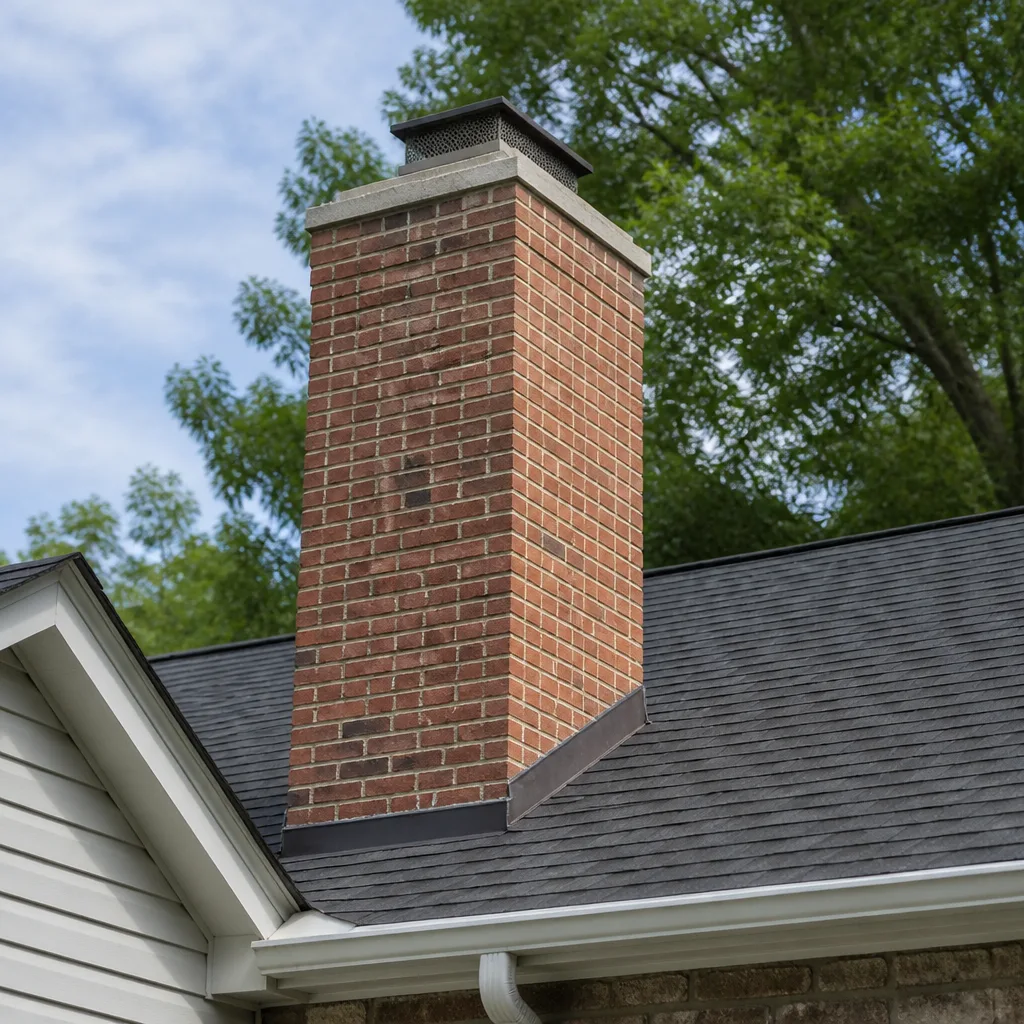 Masonry repair
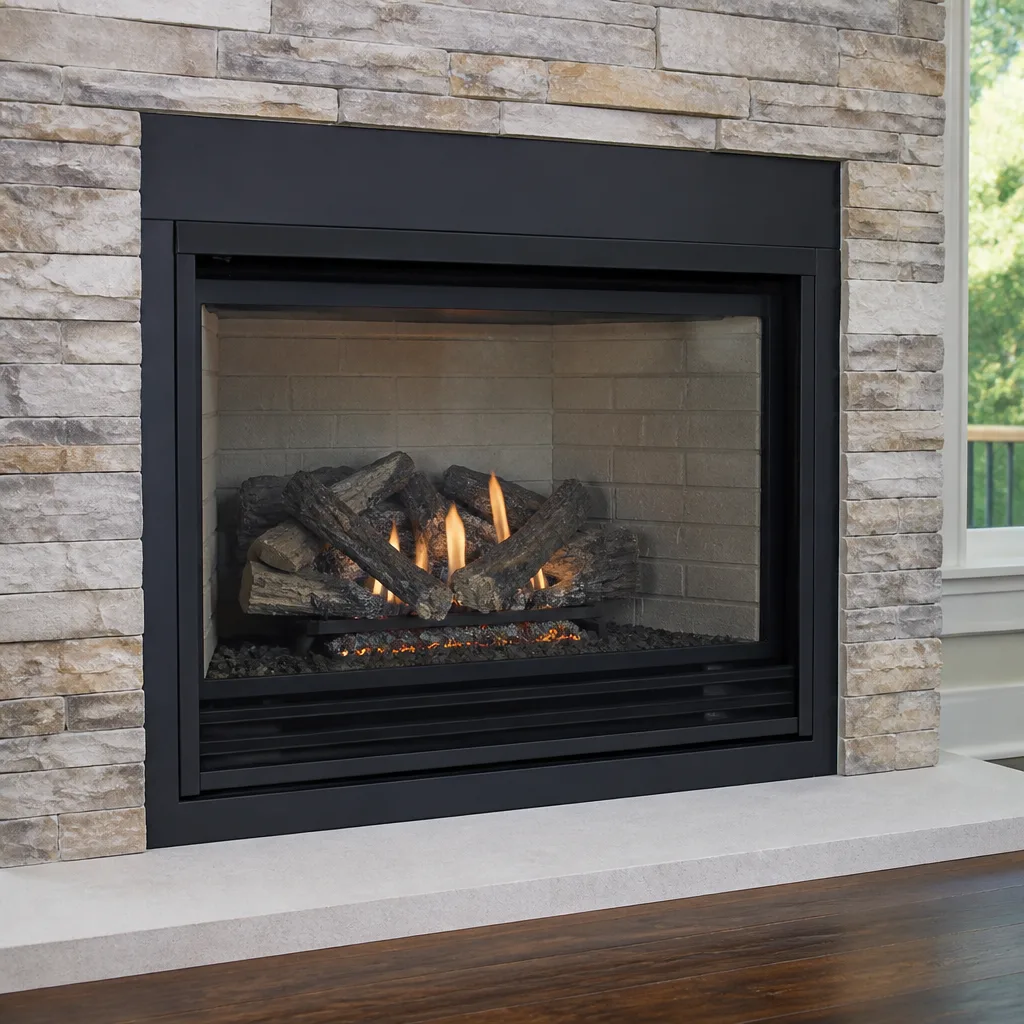 Gas fireplace service
Level 1 sweep and inspection to the NFPA 211 annual standard - flue, crown, cap, and flashing checked and photographed
Chimney sweep logs do not sweep chimneys. They loosen some creosote - which then falls where a brush and vacuum still have to collect it.
The Complete Guide to Chimney Cleaning in Albany
Most chimney fires don’t start on the coldest night of January. They start in October, during the first fire of the season, in a flue that spent the summer collecting moisture, dust, and nesting debris. That first small fire loosens what built up over the warm months, and a stray ember finds it. Albany’s hard freeze-thaw swings and humid summers make this pattern sharper here than in milder parts of the country. This guide covers how Albany chimneys actually foul, what a real cleaning includes, how creosote stages work, and what documentation you should hold after the job. Read it before you light the first fire.
Quick Answer
Chimney cleaning in Albany removes creosote, soot, and blockages from the flue and firebox, and it should be done once a year for a wood-burning fireplace in active use, or whenever creosote reaches about 1/8 inch on the liner walls. A full-service cleaning also includes a visual inspection, a check of the cap and damper, and a photo report of what the technician found. A “brush and go” sweep does not. The difference between the two is the single most important thing to know before you book.
Table of Contents
- Why Albany’s Climate Changes How Your Chimney Fouls
- Stage 1, Stage 2, and Stage 3 Creosote
- What a Full-Service Cleaning Actually Includes
- How to Tell a Brush-and-Go Sweep From the Real Thing
- Masonry vs. Prefab: Two Different Cleaning Protocols
- The Post-Cleaning Documentation You Should Receive
- How Often Should You Book a Cleaning in Albany?
- Common Mistakes to Avoid
- When to Call a Professional
- Frequently Asked Questions
- The Bottom Line
Why Albany’s Climate Changes How Your Chimney Fouls
A chimney in a mild climate dries out between burns. A chimney in Albany often does not. That difference drives almost everything about how a flue here accumulates creosote, and it’s why advice copied from a national blog rarely fits a home in this region.
Albany runs through repeated freeze-thaw cycles across late fall, winter, and early spring. Water vapor inside a chimney condenses on the relatively cool liner walls, then freezes overnight, then thaws, then freezes again. Each cycle pushes moisture deeper into the porous surface of a clay tile or masonry flue. When the flue heats up again on the next burn, that moisture carries fresh creosote into the pore structure, where it bonds more aggressively than it would on a dry wall. The result is a liner that accumulates hard, glazed deposits faster than the same flue would in a temperate zone.
Summer humidity matters too. Albany’s warm, humid summers mean a chimney that sat unused from spring to fall doesn’t just gather dust. It gathers moisture, which softens old soot and lets it re-adhere in the cooler shoulder months. That’s the shoulder-season trap: a fire lit on a cool October evening, in a flue that’s been damp for months, releases creosote that sticks harder than a midwinter burn would.
Wood-burning culture amplifies all of this. Homes across Albany and the surrounding hill towns burn a lot of wood, and burning habits vary widely. Green or poorly seasoned wood produces far more creosote than seasoned hardwood, and a flue that sees a lot of green wood needs eyes on it more often than the calendar suggests.
We’ve seen all three patterns in this region for years. Our technicians have up to experience, and the recurring theme across Albany jobs is that a one-size-fits-all cleaning schedule doesn’t serve a climate that swings this hard. If you want regional context on how the surrounding communities handle it, see the guide to a chimney sweep in the hill towns just west of the city, where the housing stock and burning habits shift noticeably.
Stage 1, Stage 2, and Stage 3 Creosote
Creosote is the tar-like residue left behind when wood smoke cools inside the flue. It’s a fire hazard at every stage, but not all stages are equal. Understanding the three stages tells you more about your chimney’s condition than almost any other single piece of information.
- Stage 1: Soot and light, flaky deposits. It’s dust-like and brushes off easily with a standard sweep. Most flues in regular use cycle through Stage 1 after every cleaning and rebuild it within a season. This stage is manageable with an annual sweep.
- Stage 2: Hard, crusty, and dense. Stage 2 creosote has bonded to the liner and doesn’t come off with a light brush. It needs mechanical removal with a rotary tool or a chemical softening step first, and it’s where a real cleaning separates from a superficial one.
- Stage 3: Glazed, shiny, and often the consistency of hardened plastic. This is the most flammable stage and the hardest to remove. It signals a flue that has been running too cool and too wet for too long. In many cases Stage 3 means the liner itself needs resurfacing or replacement, not just cleaning.
Here’s the Albany-specific part. Because of the moisture cycle and shoulder-season burning described above, chimneys in this area tend to climb toward Stage 2 faster than the same flue would in a drier climate. A homeowner following generic “once every two to three years” advice can end up at Stage 2 before the next scheduled visit. That’s a genuine reason to look at the flue annually in Albany, not a sales tactic.
When Stage 3 shows up, cleaning alone won’t solve it. A deteriorated or glazed clay liner usually needs restoration. HeatShield is a ceramic-based resurfacing system that coats and repairs a failing flue liner from the inside, restoring its integrity without a full tear-out. It’s a service most chimney companies don’t offer, and it’s often the right call before a homeowner assumes the whole chimney must be rebuilt.
What a Full-Service Cleaning Actually Includes
A full-service cleaning is not just running a brush up the flue. The difference between full-service and basic includes how the work is set up, what gets checked, and what you walk away with. Here’s the sequence we follow on a standard residential job.
- Set up the work area. Drop cloths on the floor around the hearth, plastic sheeting over furniture, and a sealed containment over the firebox so dust and soot don’t drift into living space.
- Inspect the firebox and damper. Before anything is swept, the technician checks the firebox for cracks, the damper for smooth operation, and the smoke chamber for obvious buildup.
- Sweep the flue. Rotary or standard brushes, sized to the flue, work from the top or bottom depending on the setup. The brush removes soot and any loose creosote from the liner walls.
- Remove and contain the debris. Soot is bagged or vacuumed with a HEPA-rated unit, not swept into a hearth pile for the homeowner to clean up.
- Check the cap and crown. A cracked crown or a missing or damaged cap lets water and animals in. Copperfield caps and dampers are the professional-grade hardware choice for this, not a wire mesh substitute.
- Inspect the flue. A visual inspection with a camera where needed, looking for cracks, gaps, separated tile joints, and creosote stages.
- Deliver the report. A photo report of what was found, with plain-language findings and any recommended next steps.
That’s a full-service job. Notice that the actual sweeping is a small part of it. The value sits in the inspection and documentation, and that’s what a “brush and go” sweep leaves out. Bottom line: a legitimate cleaning should leave you more informed about your chimney, not just slightly cleaner.
How to Tell a Brush-and-Go Sweep From the Real Thing
A brush-and-go sweep gets the flue cleaner and collects a check. A full-service cleaning gets the flue cleaner, tells you what shape the chimney is in, and documents it. Most homeowners can’t tell the difference afterward without knowing what to look for, so here are the tells.
- Do they inspect before sweeping? A real cleaning starts with an inspection, not a brush. If the technician never looks up the flue before sweeping, you’re getting a cleaning without a diagnosis.
- Do they give you a report? You should receive written or photographed findings, not just a verbal “you’re all set.” If nothing is written down, there’s no record of your chimney’s condition.
- Do they explain what they found? A professional will tell you what stage of creosote is present, whether the cap is intact, and whether the damper works smoothly.
- Do they recommend repairs without evidence? If a sweep tells you the liner needs to be replaced before showing you a single photo, ask to see it. A legitimate recommendation comes with camera evidence you can look at yourself.
- Do they quote a price before or after the sweep? A flat price should be agreed before the work starts. A price that changes after the sweep is a red flag.
We don’t work this way because we think it’s marketing. We work this way because a chimney is a structural system, and treating it like a chore means problems get missed. Any chimney repair recommendation should be backed by evidence in your hands, not delivered as a surprise. That evidence standard is what makes a report real.
Masonry vs. Prefab: Two Different Cleaning Protocols
Chimneys in Albany fall into two broad categories, and they don’t respond to the same cleaning approach. Knowing which one you have tells you what to expect, and it explains why a reputable sweep may spend far more time on one home than another.
Masonry chimneys are built from brick and clay flue tile. Older homes in and around Voorheesville, Delmar, and other communities near Albany are often masonry, sometimes with decades of history and modifications layered on. These flues are porous and absorb moisture. They’re vulnerable to spalling, cracked tile, and failed mortar joints, and their cleaning protocol has to account for all of it. A masonry flue that’s been repaired or resurfaced may need gentler brushing so the new lining isn’t disturbed. A masonry flue at Stage 3 may need resurfacing before it can be swept safely at all.
Prefab metal systems are factory-built units, often with a stainless steel liner, common in newer homes and in converted spaces. They have their own clearance-to-combustible requirements and manufacturer specifications for cleaning. Some prefab systems are sensitive to aggressive rotary tools. Their liners can also develop joint failures over time, which is exacty why the visual inspection matters on prefab as much as masonry.
When a prefab liner has failed, or a masonry flue needs a new lining, a flexible relining system like DuraFlex is the standard retrofit. It’s designed to navigate irregular or aged flue paths and produce a code-compliant liner, and it’s the professional answer for a chimney that can’t be cleared or repaired with a coat-and-seal approach. When the flue can be resurfaced instead, HeatShield does that job. These are trade-level decisions, and they depend on what the inspection shows.
For a deeper look at how older housing stock in nearby communities changes the picture, the guide to Voorheesville covers the practical side of homes with masonry chimneys.
The Post-Cleaning Documentation You Should Receive
The report you walk away with is your home’s chimney safety record. It’s what a future technician can read to understand the chimney’s history, and it’s what an insurance carrier would want if a claim ever came up. If your sweep hands you a receipt and nothing else, you’ve been shortchanged.
- Date and cleaning summary. What was cleaned, how, and who did the work. This is the baseline for the next visit.
- Creosote stage observed. Whether the flue showed Stage 1, 2, or 3. This tells the next technician what to expect and where the pattern is trending.
- Flue inspection findings. Cracks, gaps, separated joints, blockages, or obstructions. If a camera was used, the photos should be in the report.
- Cap and crown condition. Whether the cap is intact and the crown is sound. A missing cap is the single most common cause of water intrusion into a chimney.
- Damper operation. Whether the damper opens and closes smoothly and seals fully.
- Recommendations and their urgency. What needs attention, and what can safely wait. Not every finding is urgent, and a good report will say so.
That last point matters. The most common hesitation homeowners have about chimney work is being told they need thousands of dollars of liner or masonry repair with no way to verify it. The report is the answer to that hesitation. Nothing gets recommended without camera evidence in the report, and anything that can safely wait should be labeled as such. If you’re not shown the evidence, ask for it.
How Often Should You Book a Cleaning in Albany?
Once a year is the right baseline for a wood-burning fireplace in active use, and it’s the schedule we recommend for most Albany homes. The exception is a chimney that shows Stage 2 or Stage 3 creosote, which may need attention sooner, sometimes more than once in a season if the burning habits that caused it don’t change.
A few factors adjust the schedule:
- Wood quality. Seasoned hardwood produces less creosote. Green wood, softwood, and damp wood produce much more, and a heavy green-wood burner may need a midseason look.
- Burn frequency. A fireplace used most evenings in winter builds creosote faster than one used a few times a month.
- Chimney type. Prefab metal systems sometimes encourage a slightly longer interval, but not without an annual visual check of the flue and cap.
- Shoulder-season burns. A fire lit on a cool October or April evening in a damp, recently dormant flue contributes more buildup than a deep-winter fire, which is why the first fire of the season is the one to think about.
Even for a home that doesn’t burn often, the annual inspection is worth it. A blocked or deteriorated flue can fail even if you’ve only lit a few fires. When you book, agree on the flat price before the work starts, and confirm what the price includes. A cleaning plus inspection plus report should be described clearly, not left to guesswork.
Common Mistakes to Avoid
- Treating creosote as a cosmetic issue. A dirty flue isn’t just ugly; creosote is a fuel waiting for a spark. The stages matter because Stage 2 and Stage 3 behave completely differently under heat.
- Burning green or unseasoned wood to save money. The savings disappear when it costs more creosote removal, or worse. Seasoned wood burns hotter and cleaner, which is the cheaper path over a season.
- Skipping the inspection to save time. The sweep is the sweep, and the inspection is the diagnosis. A cleaning without an inspection tells you nothing about the flue’s condition, and condition is what prevents fires.
- Assuming annual cleaning isn’t necessary because you burn “a little.” In Albany, shoulder-season burns in a damp flue can push creosote faster than frequent but hot burning. The annual check catches what a busy schedule misses.
- Lighting the first fire of the season without inspecting the flue. Summer build-up from moisture and debris is real. The first fire is the one that loosens it.
- Believing a recommendation without asking for photos. If a repair is proposed, ask to see the camera evidence. A professional will show it without being asked twice.
- Using a hardware-store cap or damper instead of a professional component. A cheap cap may not fit, seal, or last. Copperfield and Famco hardware is designed for this purpose; a substitute isn’t.
When to Call a Professional
Call a professional for any of the following: a fire lit without an inspection in the past year, visible soot or creosote on the firebox or masonry, a strong smoky smell in the room when the fireplace isn’t in use, a damper that sticks or won’t close fully, a cap that’s loose or missing, signs of water intrusion around the chimney or ceiling, or animals or birds nesting in the flue. Also call if you’ve had a chimney fire, even a small one; a chimney fire can crack a liner in ways that aren’t visible from the firebox. If a sweep tells you a liner needs replacement, ask for the photo report, and call a second opinion if the recommendation feels rushed. Chimney Sweep Albany offers free estimates in Albany – call (866) 650-9028 to book.
Frequently Asked Questions
A standard chimney cleaning in Albany typically runs in the low-to-mid hundreds of dollars, and a cleaning with a full inspection and photo report costs more than a basic sweep. Exact pricing depends on flue condition and the type of chimney. The estimate is free and the written estimate sets the final price, so ask what’s included before you book. Call (866) 650-9028 for an exact quote.
Not necessarily, and a good report will say so. A deteriorated or glazed clay liner may need HeatShield resurfacing rather than a full replacement, and a lintel or flue with joint failures may need a flexible relining system like DuraFlex. Some flues need neither. Nothing gets recommended without camera evidence you can see, and anything that can safely wait should be labeled that way in the report. Call (866) 650-9028 to schedule an inspection.
Once a year for a wood-burning fireplace in regular use, and when creosote reaches about 1/8 inch on the liner walls. In Albany, the freeze-thaw cycle and shoulder-season burning can push creosote to Stage 2 faster than a generic national schedule anticipates, so an annual check is the safer baseline here. If the flue is at Stage 3, it may need restoration before it can be cleaned safely. Call (866) 650-9028 to book a cleaning.
Creosote builds up on the liner walls, and the more it builds, the more flammable it becomes. A small, hot fire can ignite it, and the result is a chimney fire that may damage the liner or crack masonry. You may also develop water intrusion through a failed cap or crown, and carbon monoxide can back up into the home if the flue becomes blocked by debris or a failed liner. Annual cleaning and inspection catch these issues before they turn into something bigger. Call (866) 650-9028 for a free estimate.
Because the freeze-thaw cycle and humid summers push moisture into masonry flues, and moist surfaces bind creosote harder than dry surfaces do. A chimney here can reach Stage 2 creosote in a single season if the wood is green or the flue sat damp over the summer. That pattern is why an annual cleaning in Albany is a baseline, not a luxury. Call (866) 650-9028 to schedule.
Verbal findings alone don’t give you a record to compare next year or to show an insurer. A report with photographs and a written description of creosote stage, flue condition, cap and crown condition, and damper operation is the standard we recommend, and it’s what you should ask for from any sweep. Call (866) 650-9028 to book a cleaning with a full report.
The Bottom Line
Chimney cleaning in Albany is more than an annual chore. The freeze-thaw cycle, humid summers, and shoulder-season burning here push creosote onto liner walls faster than a generic national schedule accounts for, and the first fire of the season is often where the risk concentrates. A real cleaning includes inspection, a photo report, and honest recommendations with evidence attached. A brush and go sweep leaves you with a cleaner flue and no record. Book the full-service version, agree on the flat price beforehand, and know what your chimney is actually doing. Reach the team at Chimney Sweep Albany to schedule your cleaning and inspection. When you call, you reach the same team that inspects the chimney and the same team that repairs it, with professional-grade parts from Copperfield, DuraFlex, HeatShield, and Gelco, so nothing gets handed off.
Ready to book? Call (866) 650-9028 for a free estimate. We answer 24/7. Fast dispatch from 7am to 7pm, Sunday through Friday.
Written by the team at Chimney Sweep Albany.
Styles & brands we work with
- Sweep & inspection
- Caps & crowns
- Flue relining
- Masonry repair
- Gas fireplace service
See the difference
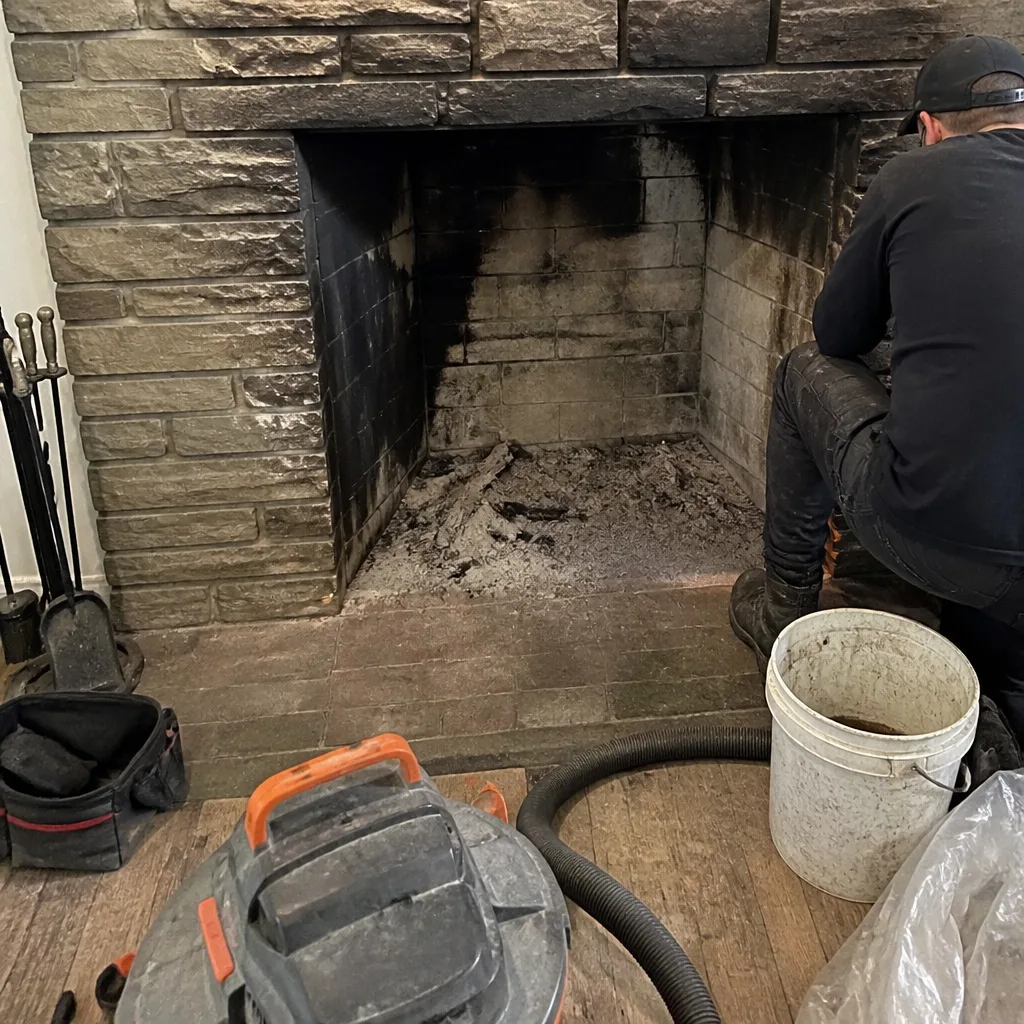 Before
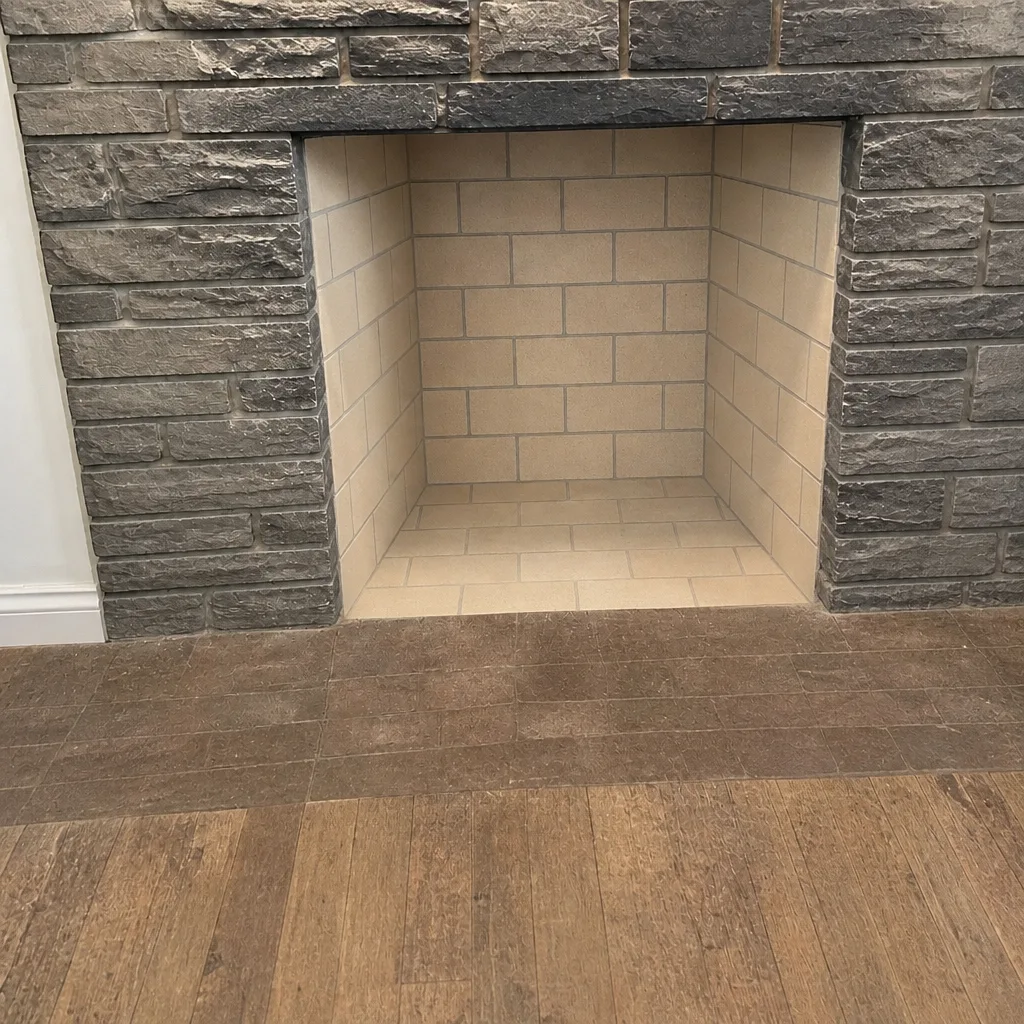 After
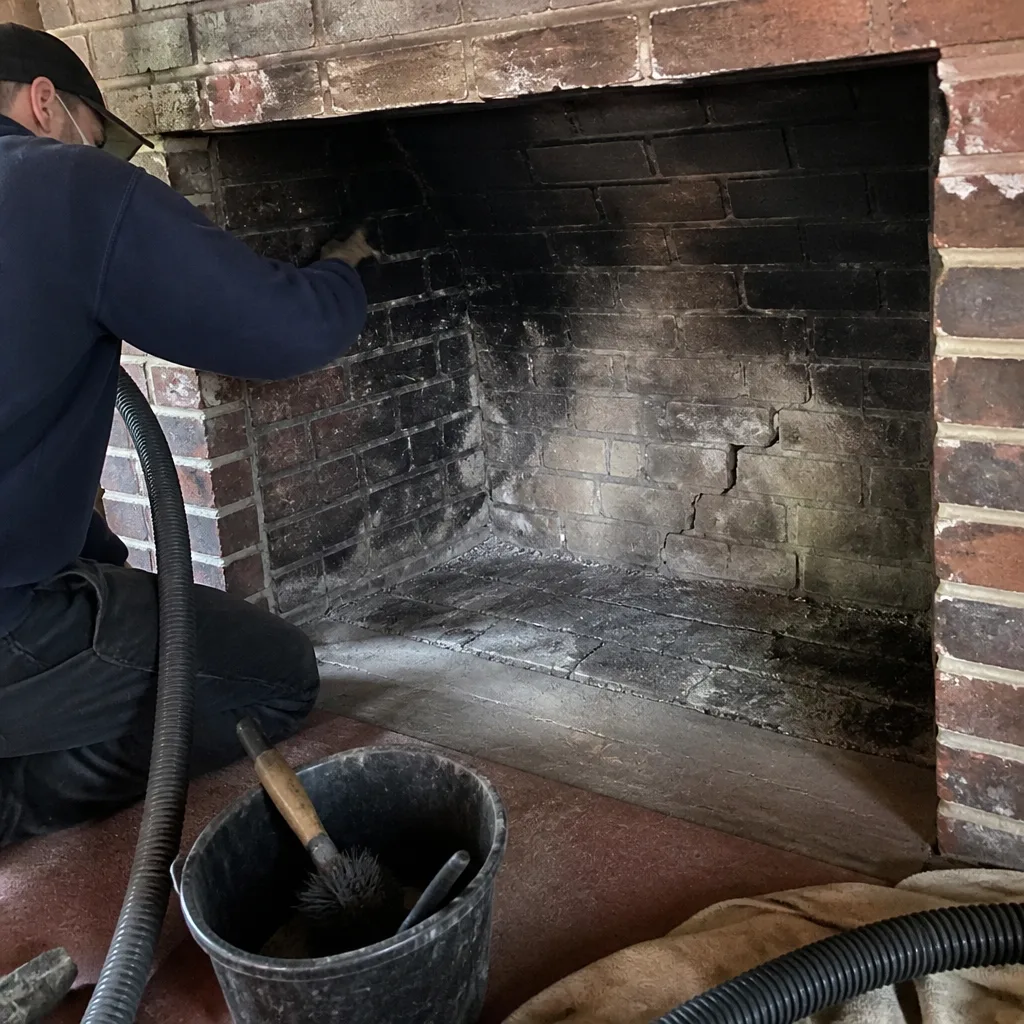 Before
 After
 Before
 After