
Last updated November 15, 2026
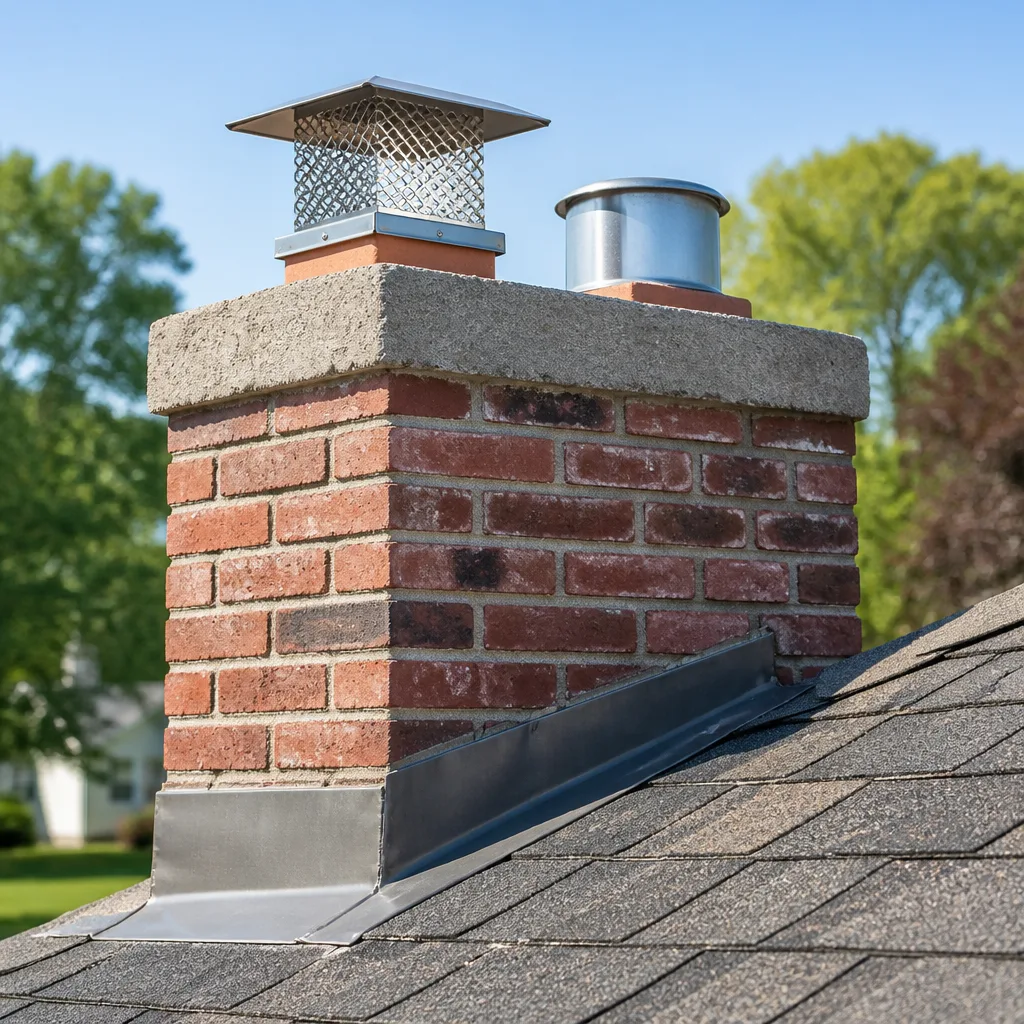 Sweep & inspection
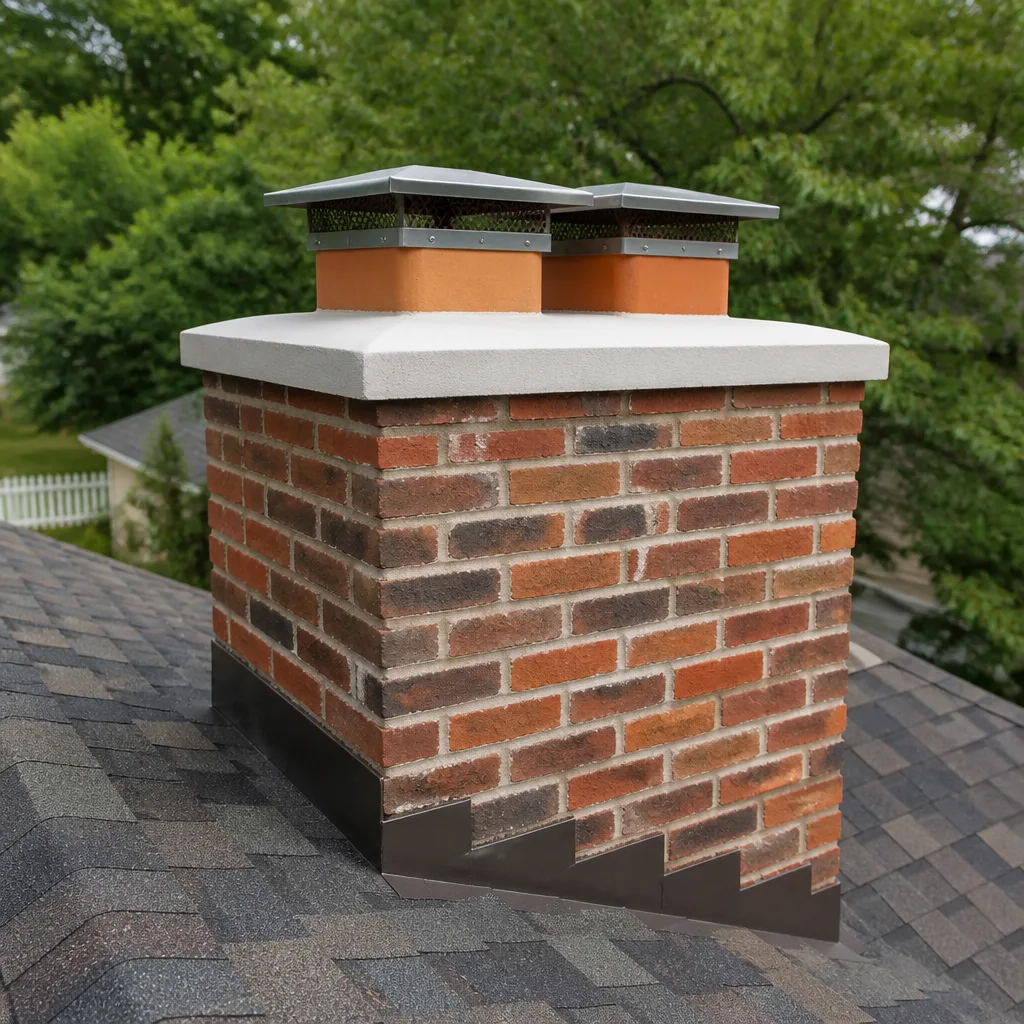 Caps & crowns
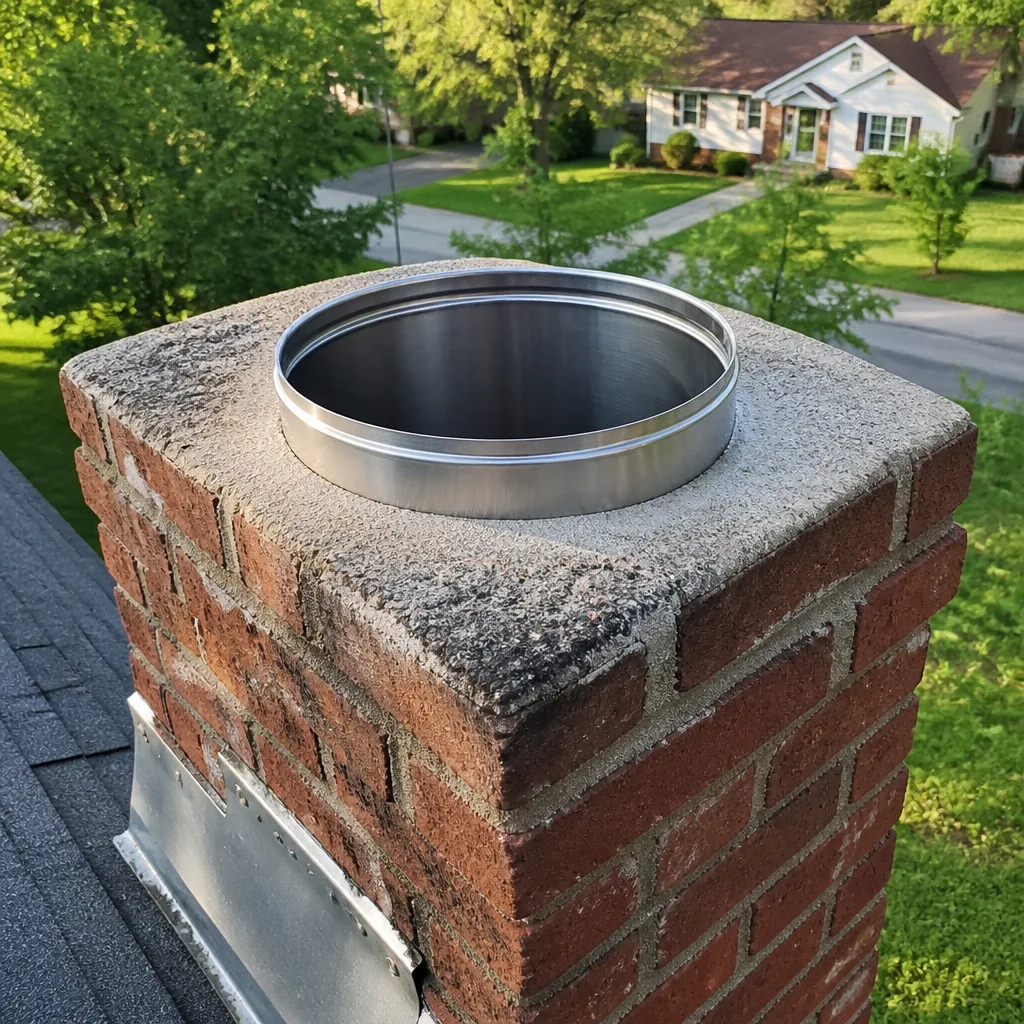 Flue relining
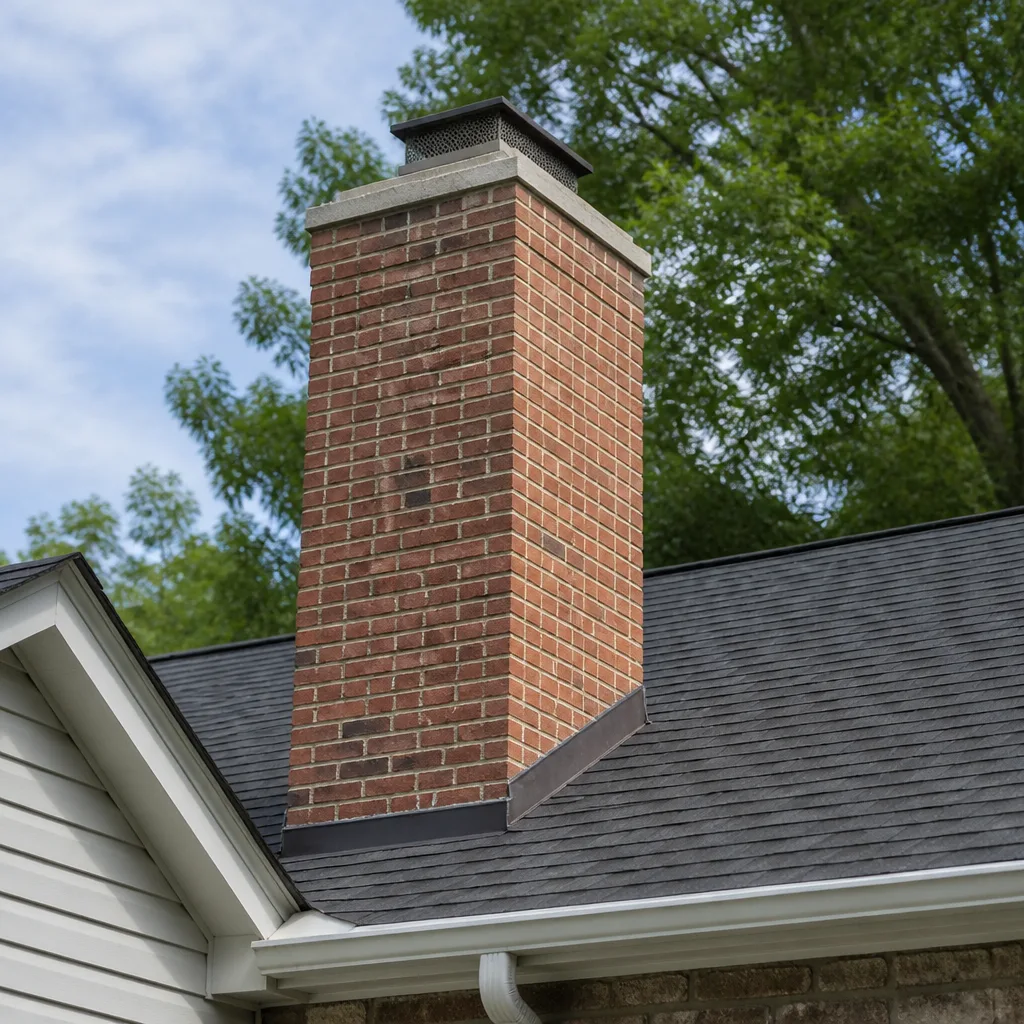 Masonry repair
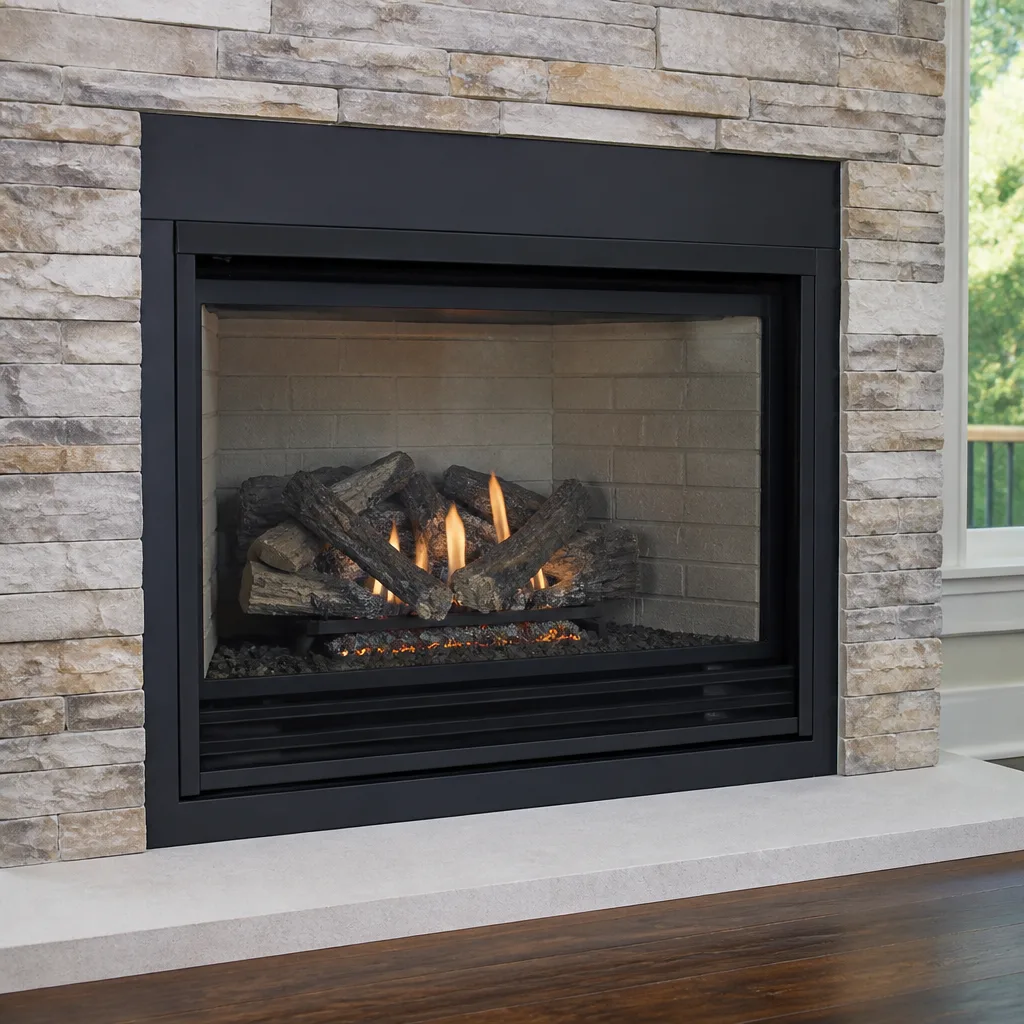 Gas fireplace service
Level 1 sweep and inspection to the NFPA 211 annual standard - flue, crown, cap, and flashing checked and photographed
Chimney sweep logs do not sweep chimneys. They loosen some creosote - which then falls where a brush and vacuum still have to collect it.
Chimney Sweep Troubleshooting in Albany: Common Problems and How to Fix Them
If your fireplace smokes into the room only on windy days, that’s not a draft problem. It’s almost certainly a pressure imbalance caused by modern weatherization, and sweeping the flue won’t fix it. That distinction matters more than most homeowners realize, because the three most common chimney complaints in Albany – smoke rollback, weak draw, and mystery odors – all look identical from the living room. The cause behind each one is completely different, and so is the fix. This guide walks you through how a technician actually reads those symptoms: what your chimney is telling you, which checks you can do from the ground, and which ones give you false confidence.
Quick Answer
Most chimney problems in Albany come down to one of three causes: a creosote or debris restriction, a damaged flue liner, or a pressure imbalance in the home. A trained technician tells them apart with a camera inspection and a draft test, then recommends the specific fix – sweeping, liner resurfacing or relining, or venting adjustments – rather than guessing at a part. If smoke, smell, or a slow draw has you wondering, an inspection is the fastest way to a real answer.
Styles & brands we work with
- Sweep & inspection
- Caps & crowns
- Flue relining
- Masonry repair
- Gas fireplace service
Table of Contents
- The Three Problems That Look Identical (And How to Tell Them Apart)
- Why Albany’s Freeze-Thaw Cycle Accelerates Chimney Damage
- Smoky Odors: Humidity-Only vs. Constant Smell
- When the Cap or Crown Is the Real Root Cause
- Which DIY Checks Actually Help and Which Give False Confidence
- A Ground-Level Inspection You Can Do This Week
- Repair Options: Resurfacing, Relining, and Rebuilding
- Albany Neighborhoods, Older Homes, and What We Find
The Three Problems That Look Identical (And How to Tell Them Apart)
In our experience, homeowners in Albany describe the same three symptoms regardless of what’s actually wrong: the fire won’t catch well, smoke spills out when they open the door, or the fireplace smells. Those symptoms come from three distinct failures, and treating the wrong one wastes money without fixing the fire. Here’s how a technician separates them.
1. A restriction (creosote, soot, or a nest)
A restriction is a blockage inside the flue. The most common kind is glazed creosote built up over several seasons of wood burning, but birds, squirrels, and leaves also account for a surprising number of blocked chimneys in Albany. The tell is consistency: the fire draws poorly every single time, not just in certain weather. A camera run down the flue shows the restriction immediately, and a proper sweep removes it.
2. A damaged liner
A cracked, spalling, or separated liner loses the smooth, contained pathway the smoke needs. Symptoms include smoke that appears in rooms other than the one with the fireplace, a slow draw that gets worse each season, and sometimes a visible puff of smoke at the top of the firebox before the fire heats up. Clay tile liners in older Albany homes are especially vulnerable to cracking after years of heating and cooling cycles. This is a repair question, not a cleaning question.
3. A pressure imbalance
The house itself is pulling air down the chimney instead of letting it rise. This is the cause the homeowner least expects, and it’s become more common as Albany homes get tighter insulation, new windows, and better weather-stripping. A house that can’t draw enough makeup air will reverse the chimney’s draft. The tell: the fire behaves differently depending on whether the kitchen exhaust fan or furnace is running, or whether it’s windy outside. No amount of sweeping fixes pressure. You fix it by restoring air balance, adding a proper vented cap, or in some cases adjusting vent termination.
A technician reads all three possibilities during one visit because the fixes are completely different. Getting a sweep when you needed a reline, or a reline when the problem was air balance, is the most common way homeowners in Albany spend money without solving the fire.
Why Albany’s Freeze-Thaw Cycle Accelerates Chimney Damage
Albany’s winters do a specific kind of damage to brick chimneys that milder climates don’t produce: freeze-thaw cycling. Water gets into the porous brick and mortar above the roofline, freezes overnight, expands, then thaws during the day. Repeat that hundreds of times across a season and the face of the brick begins to flake – that’s spalling – and the mortar joints start to crumble.
The chimney is uniquely exposed. It’s the one part of the structure that stands alone above the roofline, fully surrounded by cold air on four sides. A neighboring wall gets some shelter; the chimney doesn’t. In Albany, that means a chimney with a hairline crown crack at the top can lose a meaningful amount of its surface material across several winters before anyone notices from the ground.
What to look for from the ground
- Flaking brick faces. If the brick looks like it’s shedding thin flakes or the corners have crumbled, spalling is underway.
- Sandy or hollow-looking mortar joints. Mortar that’s receded or crumbles when you press it with a fingernail has lost its weather resistance.
- A white chalky bloom on the brick. This is efflorescence, a sign that water is moving through the masonry and carrying salts to the surface.
- Rust stains below the cap. Water getting past the cap and running down the masonry.
- Visible cracks in the crown. The sloped concrete or mortar top of the chimney that sheds water. When it cracks, every rain event sends water into the masonry below.
The good news is that catching these signs early means the repair is usually a crown rebuild or masonry repointing, not a chimney rebuild. The difference in scope is substantial. A chimney that’s inspected before the first hard freeze each season is the one most likely to survive Albany’s winter intact – which is why a fall sweep is more than a cleaning appointment.
Smoky Odors: Humidity-Only vs. Constant Smell
A chimney smell is one of the hardest symptoms to diagnose from the living room because the two most common causes produce similar complaints. The distinction is timing.
The humidity-only smell
If your chimney smells only on humid or rainy days – or only in the summer when the fireplace is unused – the culprit is usually glazed creosote reacting to moisture. Creosote, especially the hardened, glazed form, absorbs damp air and releases a smoky, sometimes acrid odor. Humid weather is what triggers it. On dry days, the smell goes away. A sweep that removes the glazed creosote resolves the problem, and it’s worth doing even in summer for this reason alone.
The constant smell
If the smell is present all the time, not linked to weather, the picture changes. A constant smoky smell can mean a cracked flue liner that’s letting combustion gases leak into the home’s air. It can also mean a pressure imbalance drawing outdoor air down through the chimney and into the room. Either way, this is a problem to inspect before the next fire. The difference matters for safety: a liner breach is a carbon monoxide question, not a comfort question.
How to tell the difference
- Track the smell for two weeks and note the weather and the time of day.
- If it correlates with rain, snowmelt, or high humidity, plan a sweep.
- If it’s there regardless of weather, stop using the fireplace and get an inspection.
- If the smell intensifies when a bathroom fan or kitchen exhaust is running, pressure imbalance is likely.
An inspection with a camera confirms whether the liner is intact, which removes the guesswork entirely. Call (866) 650-9028 to book one – estimates are free.
When the Cap or Crown Is the Real Root Cause
A surprising share of chimney performance complaints come down to something at the very top of the stack: a missing or damaged cap, or a cracked crown. Neither seems like it could cause a slow draw, and yet both do.
The chimney cap is the metal or mesh cover that sits on top of the flue. It has two jobs: keeping water out and keeping animals out. When the cap is missing, birds nest in the flue, leaves fall in, and rainwater runs straight down into the masonry. When the cap is damaged – bent, rusted through, or loose – it can disrupt the airflow at the exhaust point and produce back puffs of smoke. A properly fitting, rodent-screen cap is the simplest fix for what looks like a mysterious draft problem. We install caps and dampers from Famco and Copperfield because those manufacturers’ components are designed to fit the flue size, not squeezed into place.
The crown is the sloped top surface the cap sits on. Cracks in the crown send water into the chimney body during every storm, which is where the spalling and mortar joint failure described above begin. If you notice water staining on the ceiling near the chimney after a heavy rain, a crown crack or failed flashing is the most likely cause – not a flue problem at all. A crown repair or rebuild is a structural fix, and doing it well usually means pouring a sloped, overhanging crown that leaves the brick itself dry. That’s a different trade than sweeping, which is one reason we keep all three core services – sweeping, repair, and inspection – in the same place.
A technician checking the top of the chimney is looking at three things at once: the cap, the crown, and the flashing. Any one of them failing produces symptoms homeowners usually attribute to the fire. Getting a real answer saves you a season of chasing the wrong problem.
Which DIY Checks Actually Help and Which Give False Confidence
Some checks you can safely do yourself, and they genuinely tell you something. Others feel productive and quietly give you a false sense that your chimney is fine. Here’s the honest split.
Checks worth doing
- Look up from the firebox with a light. You can see the firebox and the top of the damper. If you can see heavy creosote buildup on the firebox walls or a stuck damper, that’s useful and safe information.
- Check the damper. Open and close it fully; if it sticks or won’t seal, that’s a real problem worth a visit.
- Watch the fire’s behavior when you turn on an exhaust fan. If the fire reacts, you’ve found a pressure clue.
- Walk the yard and look up at the chimney with binoculars. Cracked crown, missing cap, spalling brick – all visible and safe to confirm.
- Check for smoke stains on the firebox surround and above the fireplace opening.
Checks that give false confidence
- Inserting a flashlight and looking up the flue. This is the classic false check. You’ll see the first few feet of flue, which is almost always clear. The restriction or crack is usually much higher up, above a bend or offset. The clear stretch at the bottom isn’t evidence your chimney is fine – it’s evidence you can see the bottom.
- Holding a match at the damper to test draft. Draft varies by indoor temperature, outdoor temperature, and pressure, so a single test tells you little. A technician uses proper draft measurement to know for certain.
- Reaching into the firebox to feel creosote. Glazed creosote is a fire hazard, and the dangerous layer is usually the one you can’t reach.
Notably absent from both lists: climbing the roof to inspect the crown or flue. That’s a job for someone trained to work at height. A chimney has no ground-level access, and a fall from the roofline is not worth the information gained.
A Ground-Level Inspection You Can Do This Week
Before you make any calls, you can gather useful information from the safety of the yard. This walkthrough takes about fifteen minutes and gives a technician a head start on diagnosis.
- Walk fifteen feet back from the chimney. Look at the whole stack top to bottom. Is it straight, or has it started to lean?
- Use binoculars to inspect the crown. Look for cracks, flaking concrete, or a missing slope.
- Check the cap. Is there a cap at all? Is the mesh intact, or bent and rusted?
- Look for spalling brick. Flaking faces, crumbled corners, or brick lying in the gutter below.
- Check the mortar joints. Receded or crumbling mortar reads as dark shadow lines between the bricks.
- Look for water staining. Vertical streaks down the chimney face; white chalky patches on the brick.
- Check the flashing. The metal seal where the chimney meets the roof. Lifted, rusted, or missing sections are a water entry point.
- Look at the firebox and damper from inside. Heavy creosote, a stuck damper, or a smoke stain on the surround tells you the fire isn’t venting the way it should.
Anything you find on this walkthrough is worth mentioning when you call. A technician arriving with that information can often diagnose faster and skip the guesswork. If the walkthrough turns up a cap or crown problem, you won’t have to explain it from scratch – they’ll confirm it, and if repair is the right call, that’s a chimney repair visit rather than a sweeping appointment.
Repair Options: Resurfacing, Relining, and Rebuilding
Once a technician confirms what’s wrong, the repair is matched to the problem. Three repair categories cover most of what homeowners in Albany need, and each has a clearly different scope.
Resurfacing the flue
When a clay tile liner has deteriorated but the chimney structure is still sound, a ceramic liner resurfacing system restores the interior without the cost and disruption of a full reline. A trained applicator applies the system to the flue’s inner surface, creating a new smooth, sealed pathway. This works best when the flue has moderate deterioration rather than full separation. Not every chimney company can do this work, which is one reason it’s worth asking about directly.
Relining with a flexible liner
When the flue is irregular or the old liner is beyond resurfacing, a flexible stainless liner is the standard solution for a retrofit. A DuraFlex flexible liner is engineered for complicated or aged flue configurations – the kind of twists and offsets common in older chimney construction. It’s installed as a complete, code-compliant pathway from the appliance to the top of the chimney. A professional-grade liner is designed for the heat and chemical environment of a wood fire; a hardware-store substitute isn’t.
Cap, crown, and damper replacement
These are the smaller parts that cause disproportionate problems. A cap that doesn’t fit, a damper that leaks, a crown that lets water in. Replacing them with properly sized, code-compliant components from manufacturers like Olympia Chimney resolves a whole category of performance complaints. It’s the least dramatic repair and often the one that fixes the fire.
How to decide
- Restriction and creosote only, liner intact: sweep.
- Liner deteriorating but flue structure sound: resurfacing with HeatShield, a ceramic repair system designed to restore flues without full replacement.
- Liner cracked, separated, or irregular: reline with a flexible system.
- Cap, crown, or damper failure alone: replace those components.
- Masonry structurally compromised with water damage: masonry repair or rebuild, based on the crown and brick assessment.
In our experience, most repair decisions come down to how much of the liner is compromised. That’s a camera decision, not a guess, and a photo report lets you see the evidence yourself before you commit to anything. Our technicians have up to experience, and they know the difference between work that can wait and work that can’t.
Albany Neighborhoods, Older Homes, and What We Find
Albany’s housing stock varies enough block to block that the diagnosis often depends on the age of the home. In the older neighborhoods – Center Square, Pine Hills, and the streets near Washington Park – chimneys are frequently more than a century old and were built with clay tile liners that have had a lot of heating and cooling cycles. That’s where we see the most liner cracking, crown failure, and mortar joint deterioration. The row-house construction here also matters: tight party walls and shared chimneys mean air pressure behaves differently from a freestanding suburban house.
Newer construction on the outskirts uses different materials and often has sealed, high-efficiency heating systems that change the pressure equation too. A tightly sealed newer home with a wood-burning fireplace can draw worse than an old drafty one, because the house has fewer infiltration points to supply makeup air. That’s why the pressure-imbalance diagnosis keeps coming up on inspections in Albany regardless of the neighborhood.
The mix of heating systems matters as well. Homes with gas inserts or sealed combustion appliances draw different flue loads than a traditional wood-burning fireplace. A generalist who hasn’t looked closely at both appliances in the same house may miss how they interact. A chimney specialist reads the whole system – firebox, flue, damper, cap, crown, and how the house pressure behaves around all of it – because the problem usually lives in one of those components, not somewhere in the middle. You can learn more about that full inspection scope on our Chimney Sweep Albany page.
If you’re in a neighboring town, the same principles apply, and a chimney sweep in Voorheesville follows the same diagnostic routine – the problems are the same, even if the roofline and the housing age look different. Weatherization has changed pressure dynamics in nearly every style of home in this region.
Common Mistakes to Avoid
- Assuming smoke rollback is a draft problem. It’s usually pressure or a restriction. Sweeping the flue won’t fix a pressure imbalance, no matter how clean it is. Track when the smoke appears – weather, exhaust fans, wind direction – and bring that clue to the inspection.
- Skipping the summer sweep because the fireplace is out of season. Glazed creosote absorbing summer humidity is the exact mechanism behind the humidity-only smell. A warm-weather sweep addresses it before the first cool night.
- Treating a missing cap as cosmetic. A missing cap means water goes straight into the flue and animals nest in it. The next rainstorm doesn’t just get the chimney wet; it sends water into every layer of the masonry below.
- Hiring whoever can fit you in on a snowy week. Diagnostic work on an Albany chimney needs a camera inspection and a proper draft reading, not a look from the roof edge. Gaps in what gets checked are exactly where the real problem hides.
- Assuming an old chimney means an old problem. A century-old chimney might be fine; a fifteen-year-old one might have a cracked liner. Age sets the odds, not the diagnosis.
- Letting the flashlight check stand in for an inspection. Seeing the bottom two feet of flue is not the same as seeing the liner. The decision about relining hinges on what’s above the bend, not what’s below it.
- Ignoring a constant smell because it only happens in one part of the house. A smell that has nothing to do with weather is worth checking before the next fire, particularly if it smells smoky rather than musty.
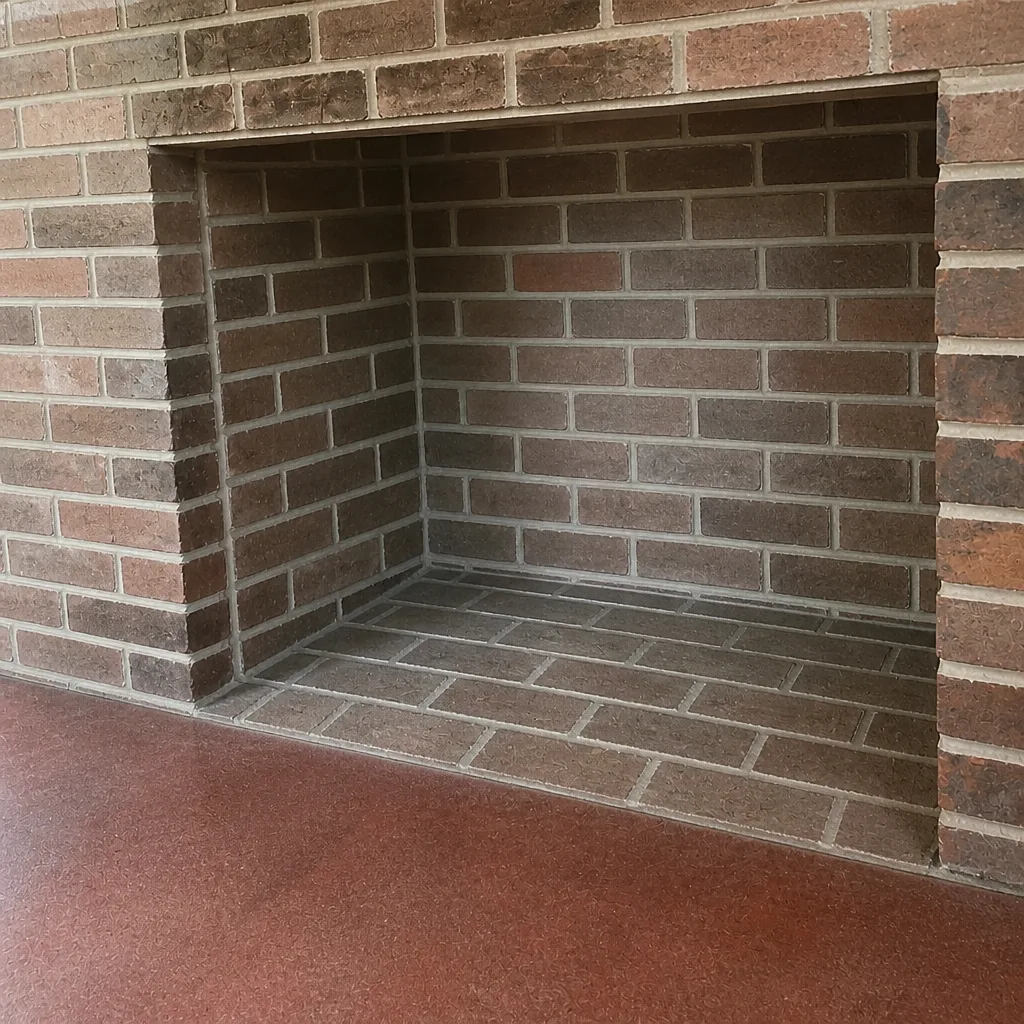
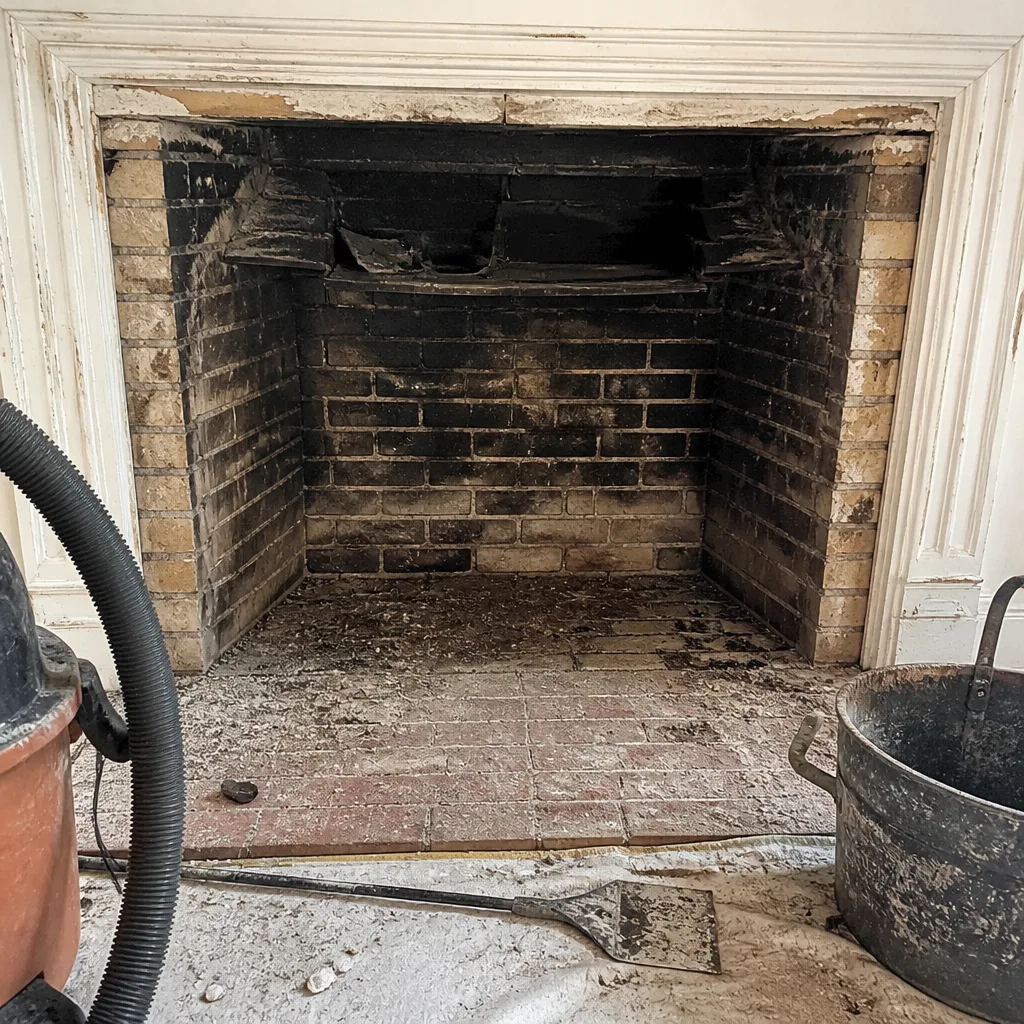
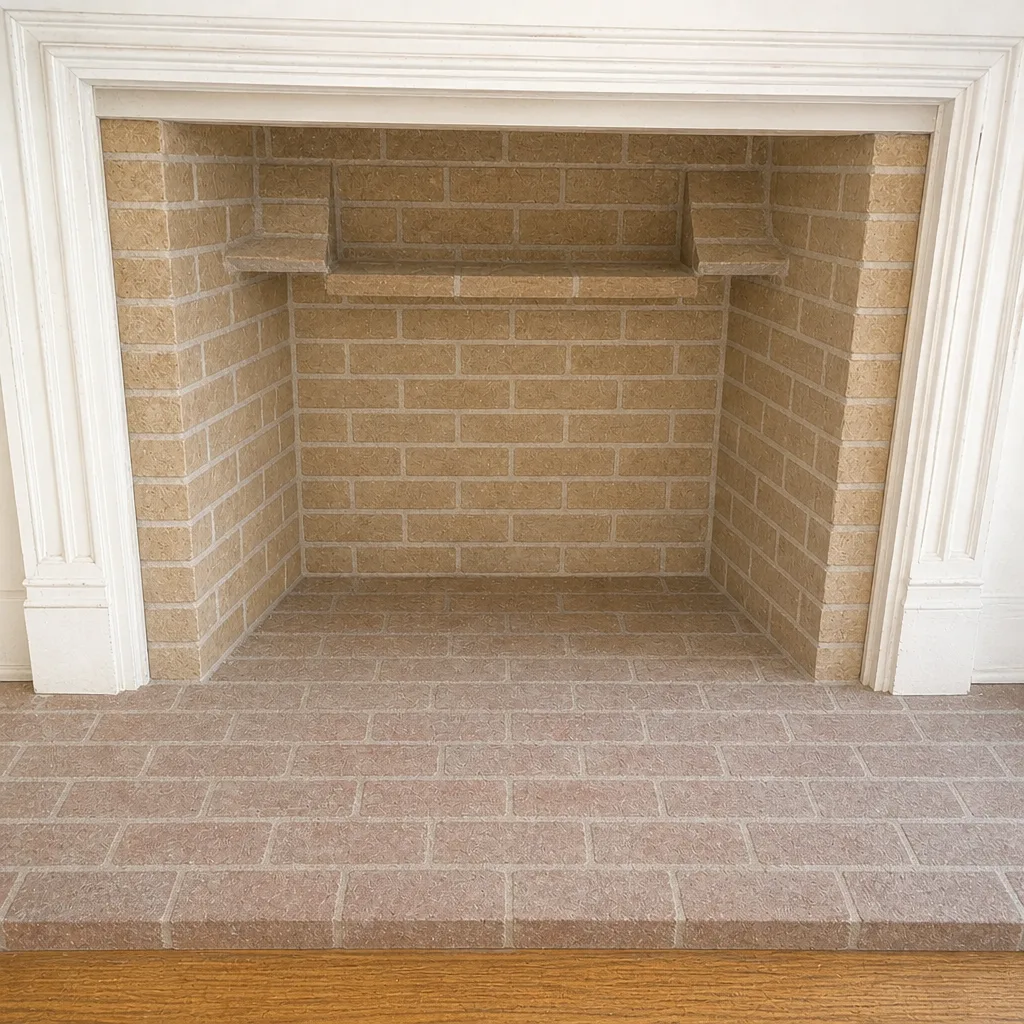
See the difference
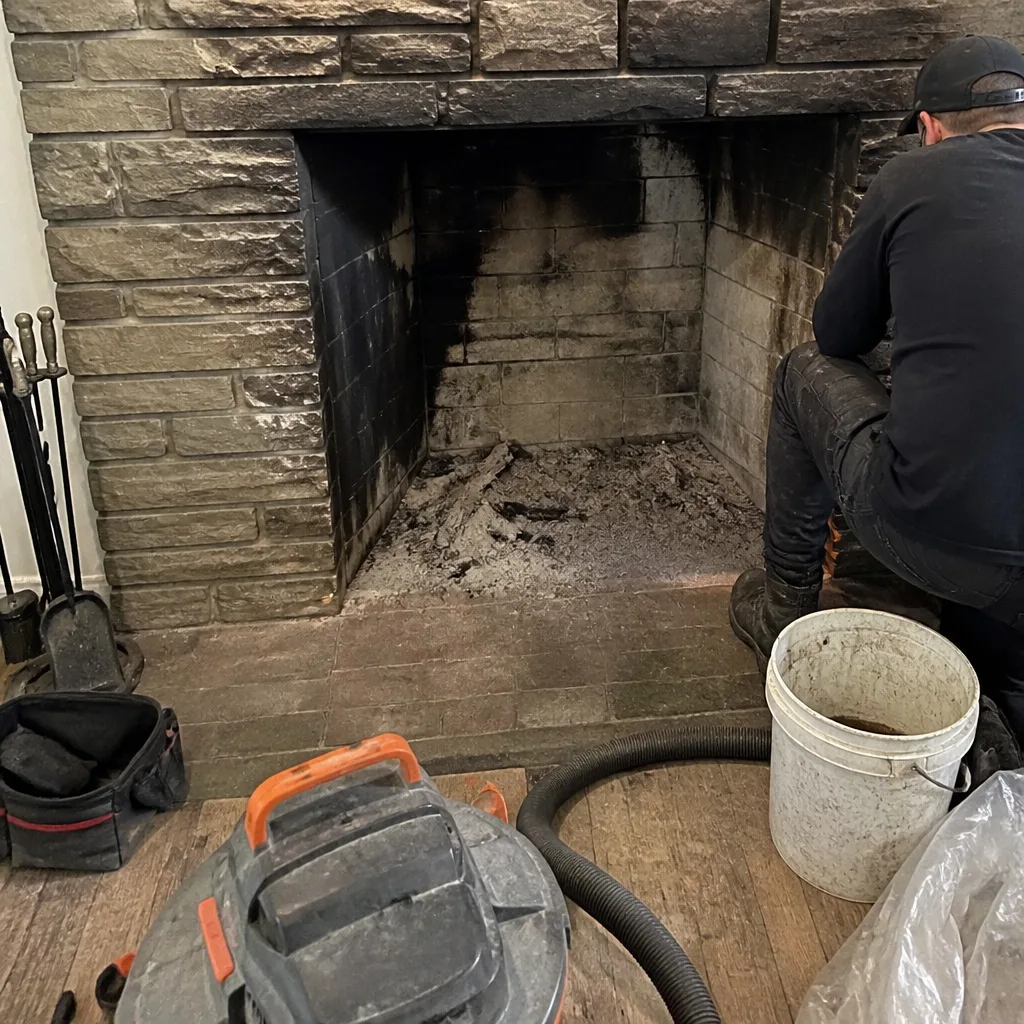 Before
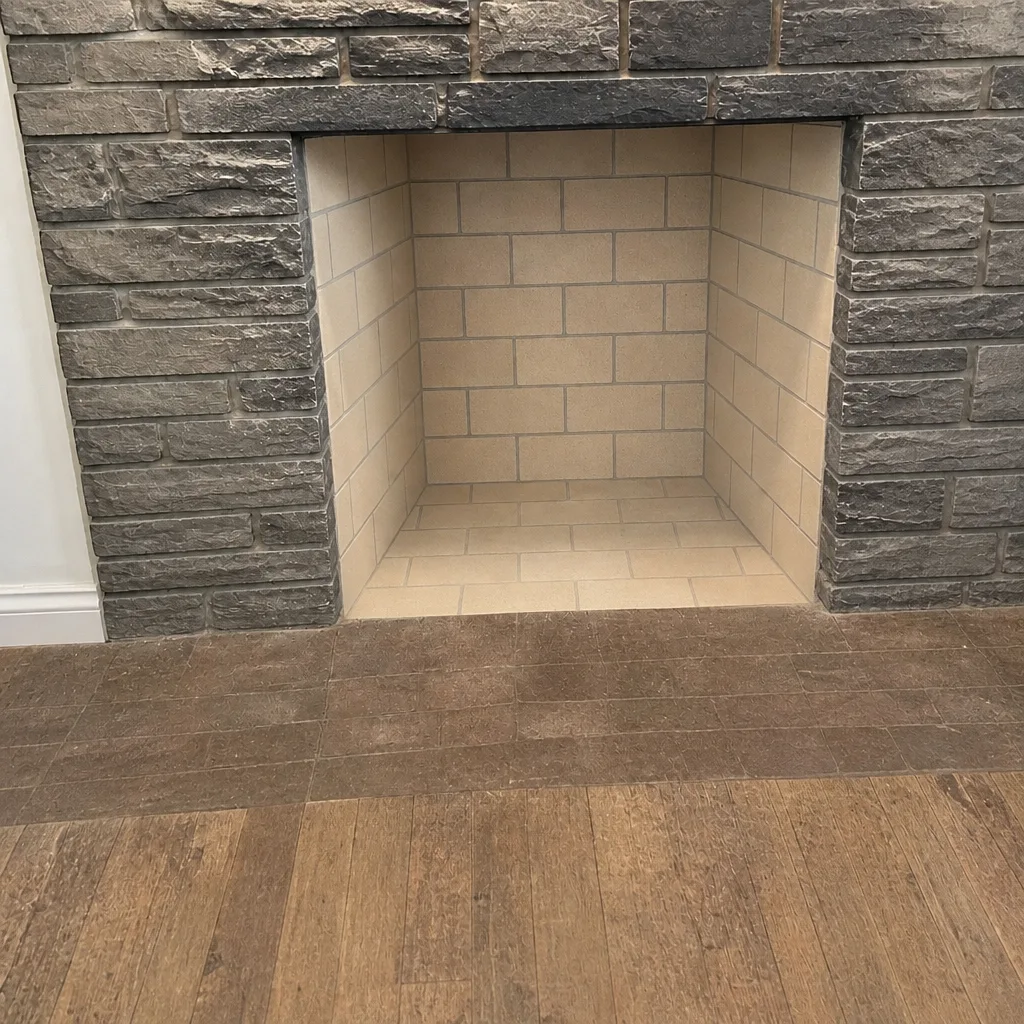 After
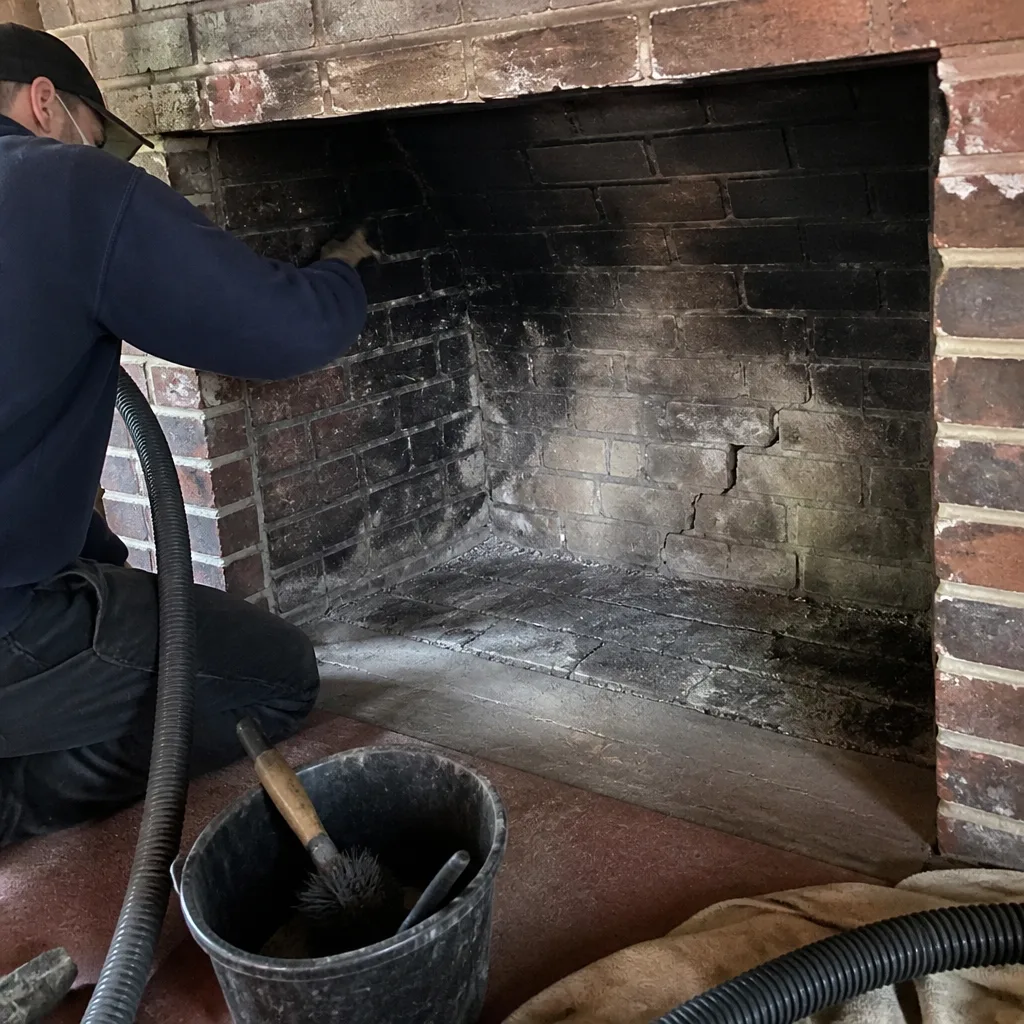 Before
 After
 Before
 After
When to Call a Professional
Some chimney issues are genuinely fine to sit on; others aren’t. Call a professional when smoke enters the room every time you light a fire, when you can smell smoke in a room that has no fireplace, when the fire draws worse than it did last year, or when your ground-level walkthrough shows spalling brick, a cracked crown, or a missing or damaged cap. Call before the first fire of the season if you haven’t had the chimney inspected in the past year – especially after a winter that took weather on the masonry. And call if a gas appliance shares the chimney, because carbon monoxide risk with a compromised liner isn’t something to check yourself.
Also call if you’re uncertain. The cost of an inspection is small compared to the cost of repointing mortar or replacing a liner that could have been saved. Chimney Sweep Albany offers free estimates in Albany – call (866) 650-9028.
Frequently Asked Questions
A standard chimney sweep in Albany typically runs an estimated $150 to $350, depending on the flue configuration and how much creosote is present. Harder jobs – multiple flues, heavy glazed creosote, or a chimney that needs a camera inspection first – can run higher. The written estimate sets the final price. Call (866) 650-9028 for an exact quote – estimates are free.
You only need a new liner if the existing liner is cracked, separated, or too irregular to contain combustion gases safely – and you should be able to see that evidence on a camera inspection before you agree to anything. Ask to see the footage and the photo report. If a technician can’t show you what’s wrong, the recommendation is worth questioning. If the liner is intact, resurfacing or simple sweeping may be the right call instead. Call (866) 650-9028 to book an inspection and see the evidence yourself.
A wood-burning chimney should be swept when creosote reaches roughly a quarter-inch of buildup on the flue walls, which for a typical household using the fireplace through a heating season works out to about once a year. Gas and oil appliance chimneys should be inspected annually even though they produce far less creosote. If you’ve burned a lot of unseasoned wood or the flue drew poorly, get it checked sooner. Call (866) 650-9028 if you’re unsure when you last had yours swept.
Skipped maintenance follows one of two paths: creosote builds to a level where a chimney fire becomes possible, or the liner deteriorates quietly and combustion gases leak into the home. Neither problem shows up as a dramatic warning. A slow, worsening draw and a random smoky smell are the usually ignored early signs. A sweep and inspection is what catches them while the repair is still small. Call (866) 650-9028 and get it booked before the season starts.
Wind-driven smoke rollback is usually a pressure problem, not a creosote problem. Wind across the top of the chimney creates a pressure difference that can overcome the draft, especially if the house is tightly sealed by modern weatherization and isn’t letting enough makeup air in. A proper vented cap, air-balance adjustments, or a draft test at the flue top will point to the specific fix. Sweeping alone doesn’t fix it. Call (866) 650-9028 for an inspection that diagnoses the cause.
Yes, and it’s worth doing. A fifteen-minute walkthrough of the roofline with binoculars – looking for spalling brick, a cracked crown, a missing cap, or water staining – tells you useful information safely. What you should not do is insert a flashlight up the flue, because you’ll see only the bottom of the chimney and mistake it for the whole. For a real answer, call (866) 650-9028 and book a camera inspection with a photo report.
The Bottom Line
Chimney symptoms that look identical in the living room come from three very different causes: a restriction, a damaged liner, or a pressure imbalance. Albany’s freeze-thaw cycle makes the masonry more vulnerable than the fire itself, and a cracked crown or a failed cap is often the real culprit behind what looks like a flue problem. Your ground-level walkthrough is worth doing; an inspection is worth booking. Professional-grade parts from manufacturers like Famco and Copperfield, proper camera evidence, and a written estimate before any repair work begins – that’s the responsible sequence, and it saves you money on the repairs you don’t need.
If any symptom in this guide sounds familiar, the fastest path to a real answer is an inspection with a photo report. Call (866) 650-9028 for a free estimate. We answer 24/7, and fast dispatch from 7am to 7pm runs Sunday through Friday. We’re closed on Saturday.
Written by the team at Chimney Sweep Albany.