
Last updated November 15, 2026
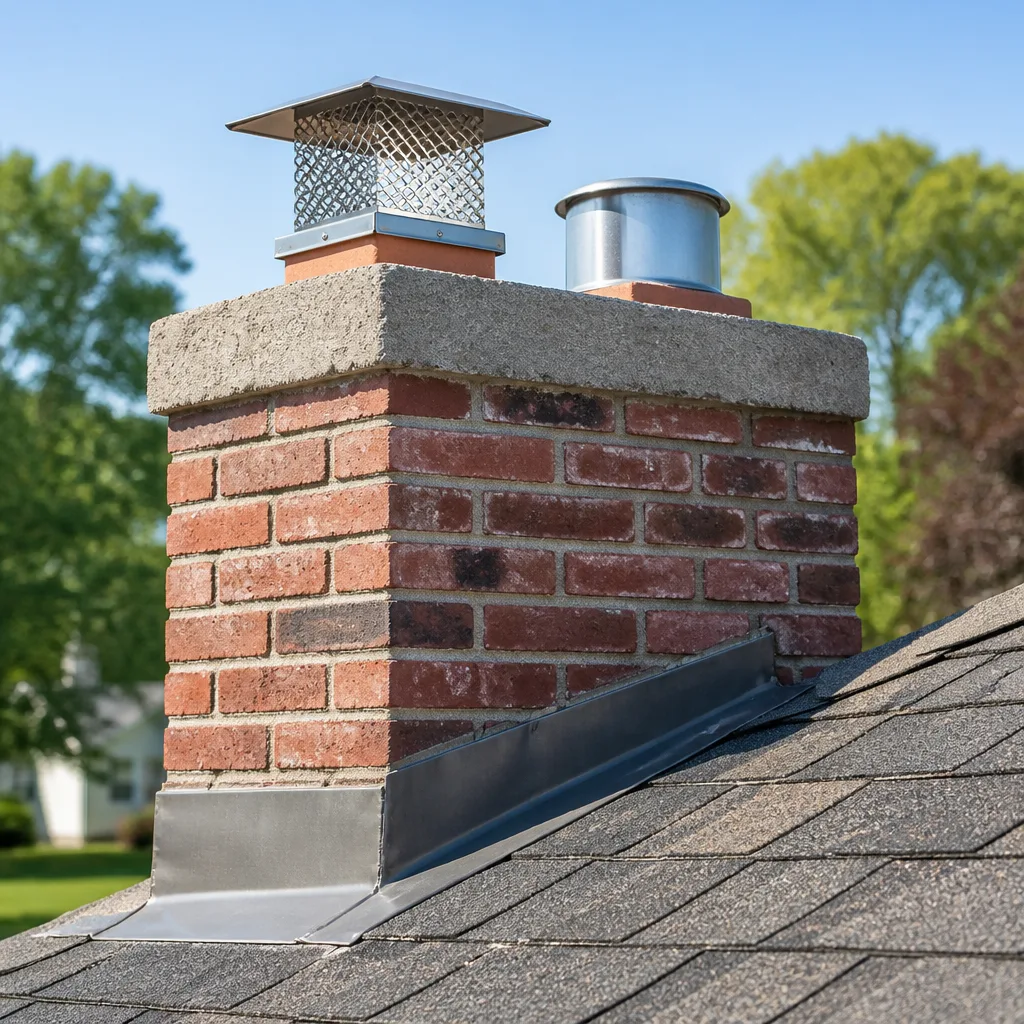 Sweep & inspection
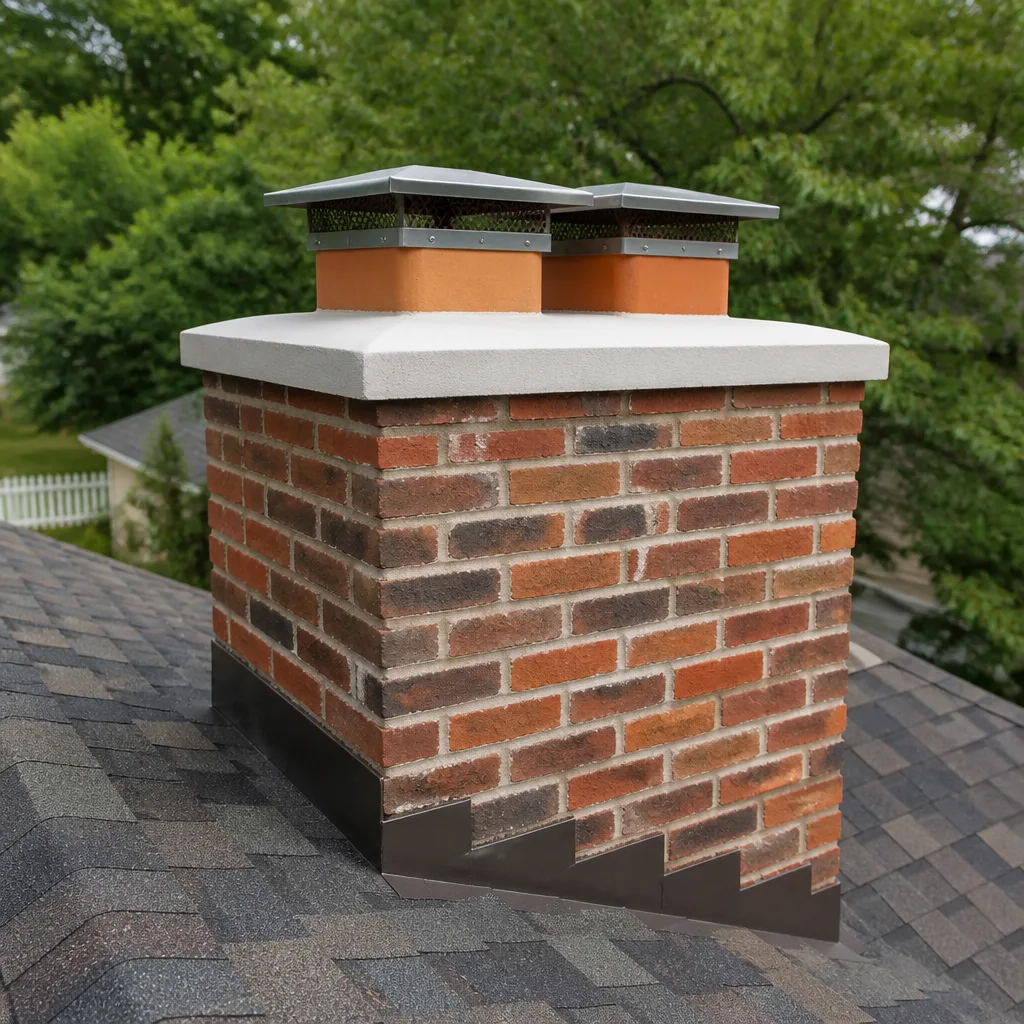 Caps & crowns
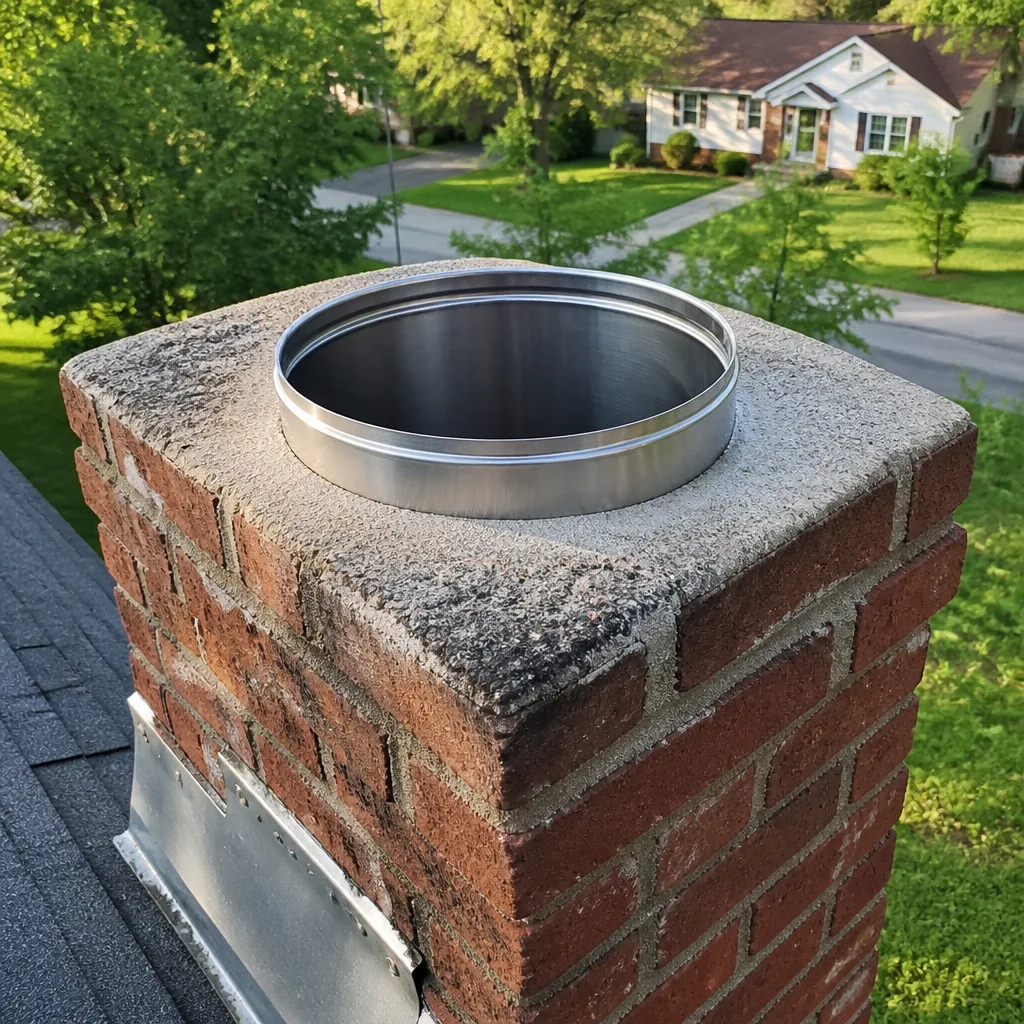 Flue relining
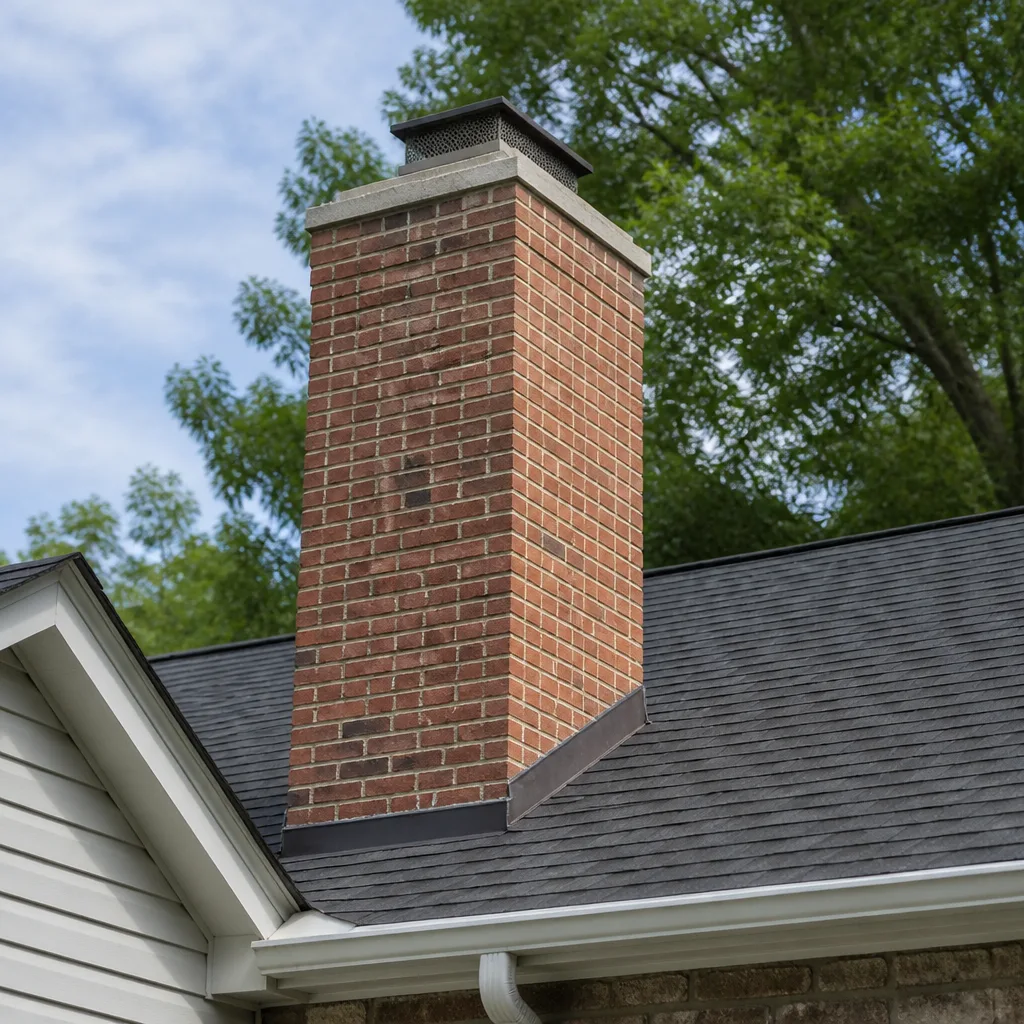 Masonry repair
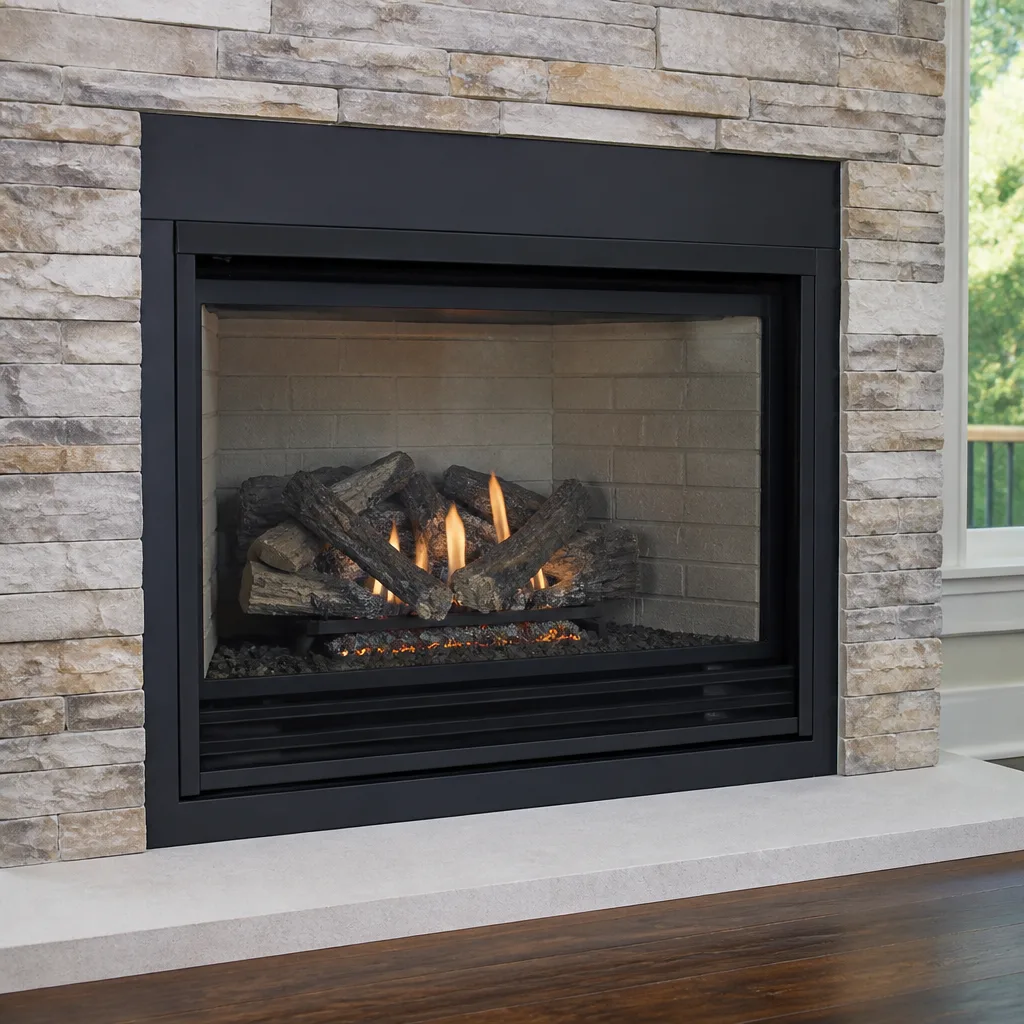 Gas fireplace service
Level 1 sweep and inspection to the NFPA 211 annual standard - flue, crown, cap, and flashing checked and photographed
Chimney sweep logs do not sweep chimneys. They loosen some creosote - which then falls where a brush and vacuum still have to collect it.
Choosing the Right Chimney Cleaning Brand: A Buyer’s Guide for Albany
Most homeowners in Albany never ask which products their chimney contractor puts inside the flue. They ask about price, then they ask about scheduling. That silence is a problem, because the difference between a HeatShield firebox restoration and a bucket of generic refractory mortar isn’t a matter of taste. One carries a manufacturer warranty and a UL listing. The other may carry neither. The brand a contractor reaches for tells you more about how they work than any brochure sentence ever will. This guide walks through the four product categories where brand selection actually changes the outcome, shows you how to ask the right questions, and explains why supply-chain decisions are a fair proxy for technical judgment. We wrote it for Albany homeowners who want to know what’s going into their chimney before the first fire of the season.
Quick Answer
The right chimney cleaning brand is the one your contractor can name, justify, and show documentation for. Professional-grade products in four categories matter most: creosote treatments, liner systems, crown sealants, and firebox repair compounds. Brands like HeatShield, DuraFlex, Olympia Chimney, Famco, and Copperfield carry UL listings and ASTM ratings that commodity substitutes typically lack. If your contractor can’t tell you which brands they use and why, that’s the answer you needed before booking.
Styles & brands we work with
- Sweep & inspection
- Caps & crowns
- Flue relining
- Masonry repair
- Gas fireplace service
Table of Contents
- The Four Product Categories Where Brand Selection Matters
- Sweep Logs vs. Professional Chemical Treatments: Same Category, Different Chemistry
- Why UL Listings and ASTM Standards Matter in Albany Homes
- How to Ask Your Contractor What They Use and Read the Answer
- Liner Systems: Why DuraFlex and HeatShield Come Up Again and Again
- Caps, Dampers, and Venting: Where Famco and Copperfield Fit
- What Material Choices Reveal About a Contractor’s Technical Standard
- How to Verify a Contractor’s Material Claims
The Four Product Categories Where Brand Selection Matters
Not every product in a chimney job carries the same weight. Some items are interchangeable. Four categories are not, and those are the ones worth asking about before you book anything in Albany.
Creosote treatments. Creosote is the tar-like residue left behind by wood smoke, and it comes in three forms: soot, flaky crust, and glazed Stage 3 creosote that hardens like varnish on the flue wall. Consumer products address the first two. Professional chemical treatments are formulated to penetrate and soften the third before a sweep. The chemistry is not the same, and neither is the result.
Liner systems. A cracked or unlined flue lets heat and combustion gases reach the surrounding structure. Flexible liner systems made for retrofit work hold up to the temperature swings and irregular flue shapes common in older Albany housing stock, including the prewar buildings in Center Square and the older homes around Pine Hills.
Crown sealants. The crown is the concrete cap at the top of the chimney. A flexible crown sealant that bonds to masonry and moves with freeze-thaw cycles outperforms a rigid patch. Albany winters are hard on mortar, and a sealant that cracks in the first cold snap has failed before spring.
Firebox repair compounds. The firebox takes the most heat of anything in the system. Ceramic-based repair systems like HeatShield are designed specifically to resurface deteriorated firebox and flue walls without a full liner replacement. Generic refractory mortar is not the same product and does not carry the same documentation.
Ask about all four. A contractor who can speak to each one is a contractor who has made deliberate choices about supply.
Sweep Logs vs. Professional Chemical Treatments: Same Category, Different Chemistry
Chimney sweep logs sold at hardware stores and professional creosote treatments occupy the same aisle in a homeowner’s mind. They aren’t the same product, and treating them as equivalents is one of the most common source of confusion we run into when talking with Albany homeowners.
A consumer sweep log is a compound you burn in the fireplace. It releases chemicals that can make creosote more brittle so it flakes off the flue wall. That’s a real function, and for a lightly used fireplace with thin soot, it may help a normal brushing schedule. It does not remove glazed creosote. It does not reach the smoke chamber. And it does not replace a mechanical sweep.
Professional treatments are applied by a technician who has inspected the flue first and knows what stage of creosote they’re dealing with. The treatment is matched to the condition:
- Stage 1 creosote (soot and light flake) usually needs only a standard sweep.
- Stage 2 creosote (hard, crusty deposits) may need a chemical softening agent applied before brushing.
- Stage 3 glazed creosote requires a dedicated professional treatment over time, not a single visit and not a sweep log.
This is the core reason the brand question matters. Anyone can sell a sweep log. A contractor who uses HeatShield or a comparable professional compound has either stock in trade or a supplier relationship that a handyman working from a big-box store doesn’t. For a homeowner in Albany, the difference shows up as a longer service life and a documented paper trail for your flue’s condition.
If you’re scheduling your first cleanout of the season, a proper tech will always inspect before treating. Our chimney sweep starts with an inspection, and that’s the right order whether you’re in Albany or anywhere else in the region.
Why UL Listings and ASTM Standards Matter in Albany Homes
A UL listing on a chimney product is a third-party certification that the product has been tested to a published safety standard. An ASTM rating is the same idea from the materials-standards side. Both are voluntary in the sense that nobody is forced to seek them, and that’s exactly why the ones who do are worth noting.
For Albany homeowners, the practical question is code compliance. New York residential code references established standards for chimneys, venting, and firestopping. A product without a corresponding listing is harder to defend during an inspection, and it may force a redo if the work gets looked at later.
What carries listings and what doesn’t:
- HeatShield restoration system: UL listed and engineered for ceramic flue repair. Not a generic mortar substitute.
- DuraFlex flexible liners: manufactured and tested as a lining system, with documented sizing and installation requirements.
- Olympia Chimney components: liner and venting products built to recognized standards.
- Famco and Copperfield caps, dampers, and venting: manufacturer-backed hardware with published spec sheets.
When a contractor can hand you the spec sheet on a product they installed, the conversation about code compliance gets a lot shorter. When the answer is “we use whatever the supply house has,” there’s a good chance you’re looking at a product with no listing at all.
We saw enough of that gap in Albany that it became a simple rule on our side: work with the brands that document their testing. That’s why we’ve chosen to source from a small group of professional manufacturers rather than whatever is closest to a job site.
How to Ask Your Contractor What They Use and Read the Answer
You don’t need to be a chimney technician to spot a contractor who hasn’t thought about materials. You just need to ask the right questions in the right order and listen to the shape of the answer. Here’s a sequence that works:
- Ask what brand of liner they use and why. A professional will name a brand, describe its application, and explain why it fits your specific flue. A generalist will say “standard flexible liner.”
- Ask for the product data sheet. Every professional-grade product has one. “I don’t have that here” is acceptable. “I don’t know what you mean” is not.
- Ask whether the product is UL listed. You want a yes or an actual listing number. If they shrug, keep asking.
- Ask how they’d handle a cracked firebox. This is where HeatShield or a comparable ceramic system should come up. If the answer is “we’ll re-pour it with mortar,” ask who manufactures the mortar.
- Ask what crown sealant they use and whether it’s flexible. Rigid patch in an Albany freeze-thaw cycle will fail. Flexible sealant is the professional answer.
- Ask who the manufacturer is one more time on a different product. Consistency is a signal. A contractor who names three or four professional brands across different categories has a supply chain. A contractor who can’t name one has a computer search.
If you want to go a step further, ask for the manufacturer’s own install documentation. HeatShield publishes a system spec, DuraFlex publishes sizing tables, and companies like Olympia Chimney and Famco publish submittal sheets. Any of those names showing up in a written scope is a positive sign.
If you want a sense of what that looks like on an actual job, our chimney repair service page lays out the materials we use for common failures.
Liner Systems: Why DuraFlex and HeatShield Come Up Again and Again
Two very different problems get lumped together under “liner work.” The first is a flue that is intact but no longer meets current venting standards. The second is a flue that is cracked, spalling, or was never lined at all. Each one calls for a different approach, and that’s why DuraFlex and HeatShield both come up in conversations about Albany homes.
DuraFlex flexible liners are used when the flue needs a new continuous lining and the existing chimney has an irregular path: an offset, an oval cross-section, or a sharp bend around a smoke shelf. A rigid liner won’t make the turn. A flexible liner system does, and it’s built for the temperature range a wood-burning appliance produces. In Albany’s older housing stock, offsets and ovalized flues are common, and a flexible system solves a problem that a rigid pipe can’t.
HeatShield liner resurfacing is used when the original clay tile is deteriorated but the flue is otherwise sound. A technician applies the ceramic compound to the flue walls, letting it cure into a smooth, bonded surface. It’s a resurfacing system, not a replacement, and that changes the scope of the job substantially. The same material restores a cracked firebox.
Which one gets used depends on the inspection. A flue with broken tiles and a shifted masonry column needs a liner. A flue with a hairline crack and sound surrounding brick may be restorable. Neither is a decision to make from a phone call.
This is why we inspect before we quote. Anyone promising “liner or nothing” before seeing the inside of the flue is guessing. Our technicians have up to experience, and the one thing that experience teaches is that the camera tells the story, not the sales pitch.
We serve homeowners throughout the area, including Voorheesville, and the same rule applies there: look first, then recommend.
Caps, Dampers, and Venting: Where Famco and Copperfield Fit
The top and bottom of the chimney are easy to overlook until something goes wrong. A cap that rusts through lets water into the flue. A damper that no longer seals lets heated room air escape up the chimney all winter. The components that fail here are often the ones that were cheapest to install.
Famco manufactures chimney caps and venting components as a specialty line, not as a side product. Copperfield builds dampers and top-sealing systems to published dimensions. Those two names come up because the products are built for the job and come with documentation.
What to want on your chimney in Albany:
- Stainless steel caps with a mesh screen sized to the flue. A cap should outlive the mortar around the crown. Galvanized stock caps typically don’t last through the freeze-thaw cycles we get here.
- Top-sealing dampers that close at the crown rather than at the firebox. These stop air loss more completely than a throat damper and are the right choice for many older Albany homes.
- Venting components for gas inserts and appliances that match the appliance manufacturer’s spec. Famco makes parts for this purpose. A venting system pieced together from hardware-store fittings is a code problem waiting to happen.
Caps and dampers are the least glamorous part of a chimney job. They’re also the cheapest thing to upgrade at the same time as a sweep, and skipping the upgrade is why so many Albany homeowners end up doing the same job twice.
What Material Choices Reveal About a Contractor’s Technical Standard
Here’s the premise of this guide: the products a contractor uses are a fair proxy for how they diagnose. Not a perfect one, but a fair one. Two reasons.
The first is that supply-chain decisions require effort. Sourcing HeatShield, DuraFlex, Famco, and Copperfield takes account setup, minimum orders, and time spent learning the product line. A contractor who has done that work has decided chimney service is a specialty. A contractor who hasn’t is treating it as a side job, and side jobs tend to get side-quality decisions.
The second is that product choice forces diagnostic discipline. You can’t install the right DuraFlex liner without measuring the flue. You can’t apply HeatShield to the wrong condition and have it last. The product selection and the inspection are connected. When a contractor has committed to professional-grade materials, the inspection has to be honest, because the wrong recommendation can’t hide behind a commodity product that’s expected to fail anyway.
In our experience, the homeowners who ask about brands end up asking better questions about the diagnosis too. That’s not a coincidence.
We build our Chimney Sweep Albany service around this idea. Sweep, repair, and inspection under one roof, with a single team accountable for all three. No subcontracting. No second company to blame.
How to Verify a Contractor’s Material Claims
A contractor can say anything over the phone. Here’s how you turn the brand question into something checkable.
- Ask for the manufacturer’s submittal sheet on any product they propose. HeatShield, DuraFlex, Olympia Chimney, Famco, and Copperfield all publish these. If the contractor can’t produce one, the claim they’re using the product is unverified.
- Look for the manufacturer’s installer eligibility wording on the product. Not every product is sold through every channel. If a brand page describes how to buy it, you’ll learn quickly whether your contractor is in the right channel.
- Check the product listing number. UL listings are numbered. Ask for the number, then check the listing in the manufacturer’s documentation.
- A camera inspection should be standard. If a contractor recommends a liner or a HeatShield application without showing you what they saw on camera, you should treat the recommendation as unverified. Nothing should be recommended that you can’t watch happen on a screen.
- Ask whether the work can wait. A trustworthy contractor will tell you when a flue can safely go another season after a sweep. That answer is only useful if you believe them, and you’ll believe them more once the material claims have held up.
The inspection is where verification begins. If you’re not already working with someone, our chimney inspection should be your first call before any material is ordered.
Common Mistakes to Avoid
- Assuming “chimney sweep” means the brand question doesn’t apply. It applies most on a sweep: the creosote you’re removing is the thing that turns into a fire risk, and the treatment matters as much as the brush. A sweep using only a consumer log and a stiff brush is doing half the job.
- Accepting a big-box part for a chimney-specific job. An Albany hardware store sells chimney caps. Most of them are galvanized steel that will rust out before the mortar fails. Famco and Copperfield products are sold through trade suppliers, not the seasonal aisle.
- Letting a contractor recommend a liner before showing you a camera view. Liner work is not small money. The recommendation should come with an inspection you can see for yourself. If a contractor can’t show you what they saw, the recommendation hasn’t earned trust yet.
- Skipping UL listings on crown and firebox materials. The products with a listing are the ones that will hold up through an Albany winter and a future inspection. A generic patch with no spec sheet is a short-term fix.
- Assuming “professional grade” based on the word “professional” on the bucket. It appears on everything. Ask for the manufacturer code, the listing, or the submittal sheet. If none of those exist, “professional grade” means nothing.
- Booking the cheapest sweep in Albany without asking what they use. Price differences in this trade are almost always about materials and the time it takes to use them correctly. A low quote and a high one are not the same job.
- Not asking whether the work can wait. A contractor who tells you a flue can go another season after a sweep has just given you a piece of honest information. One who says every flue needs a liner this month has told you something about themselves instead.
See the difference
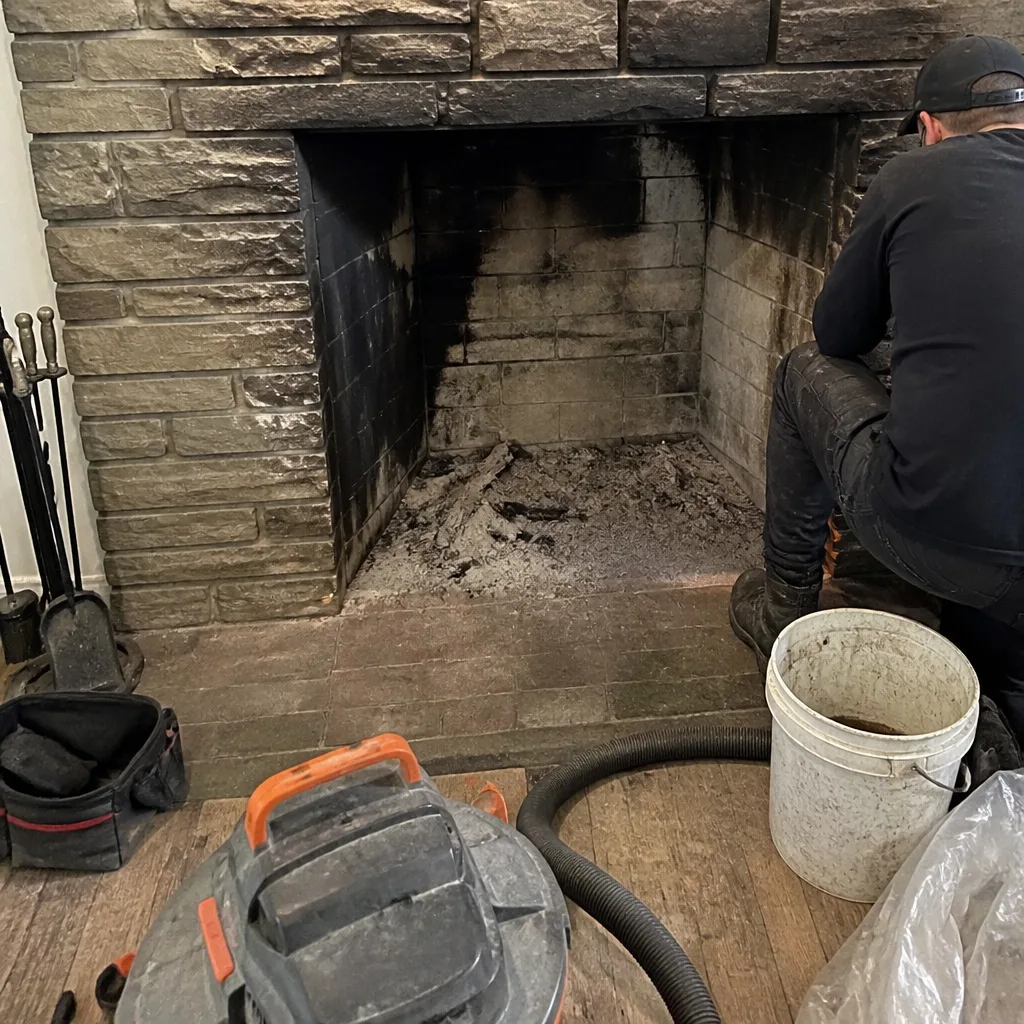 Before
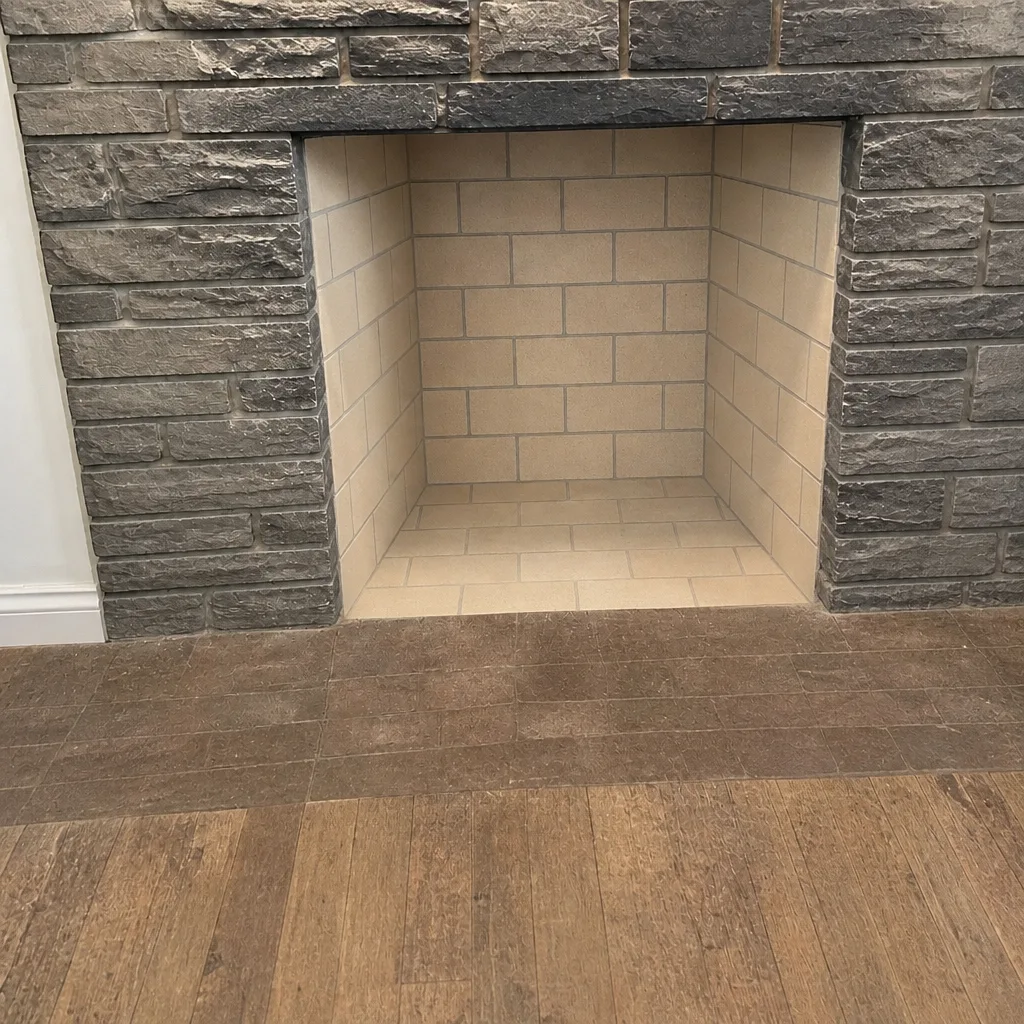 After
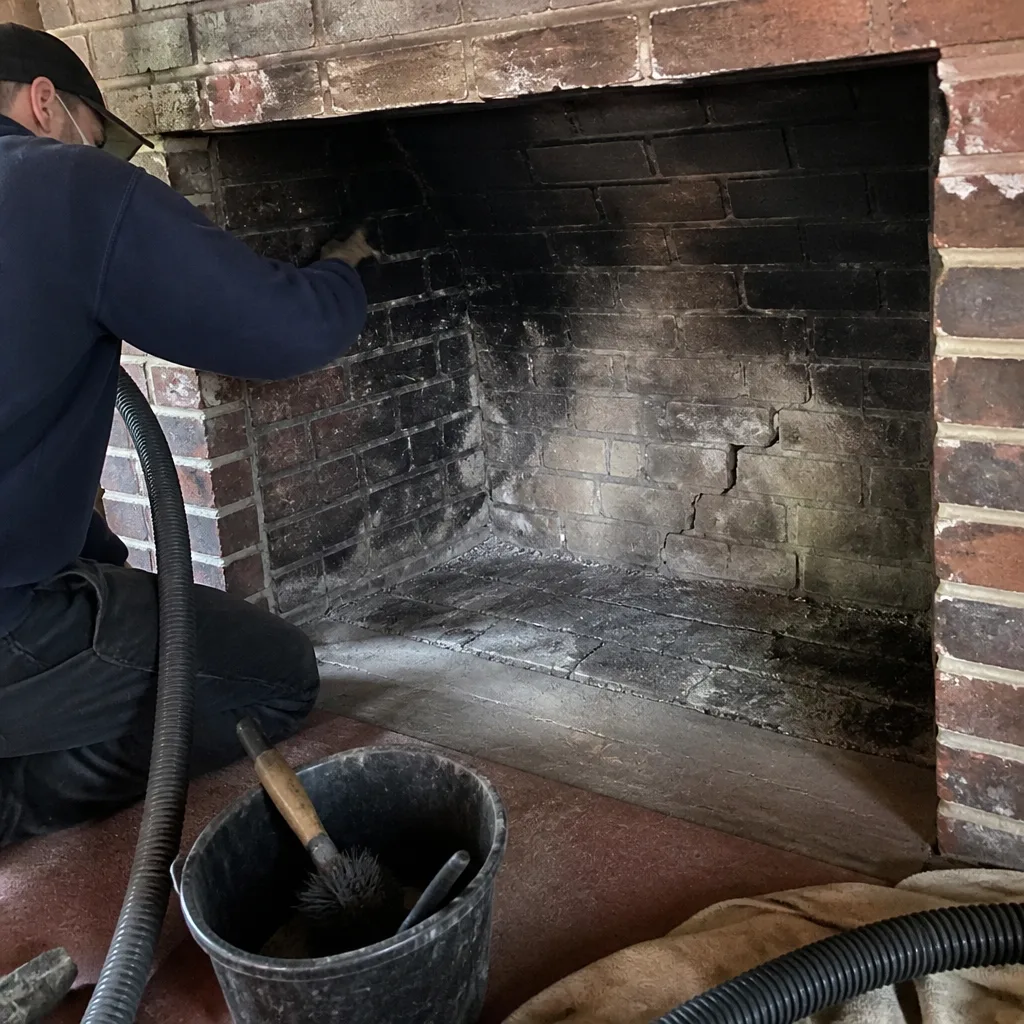 Before
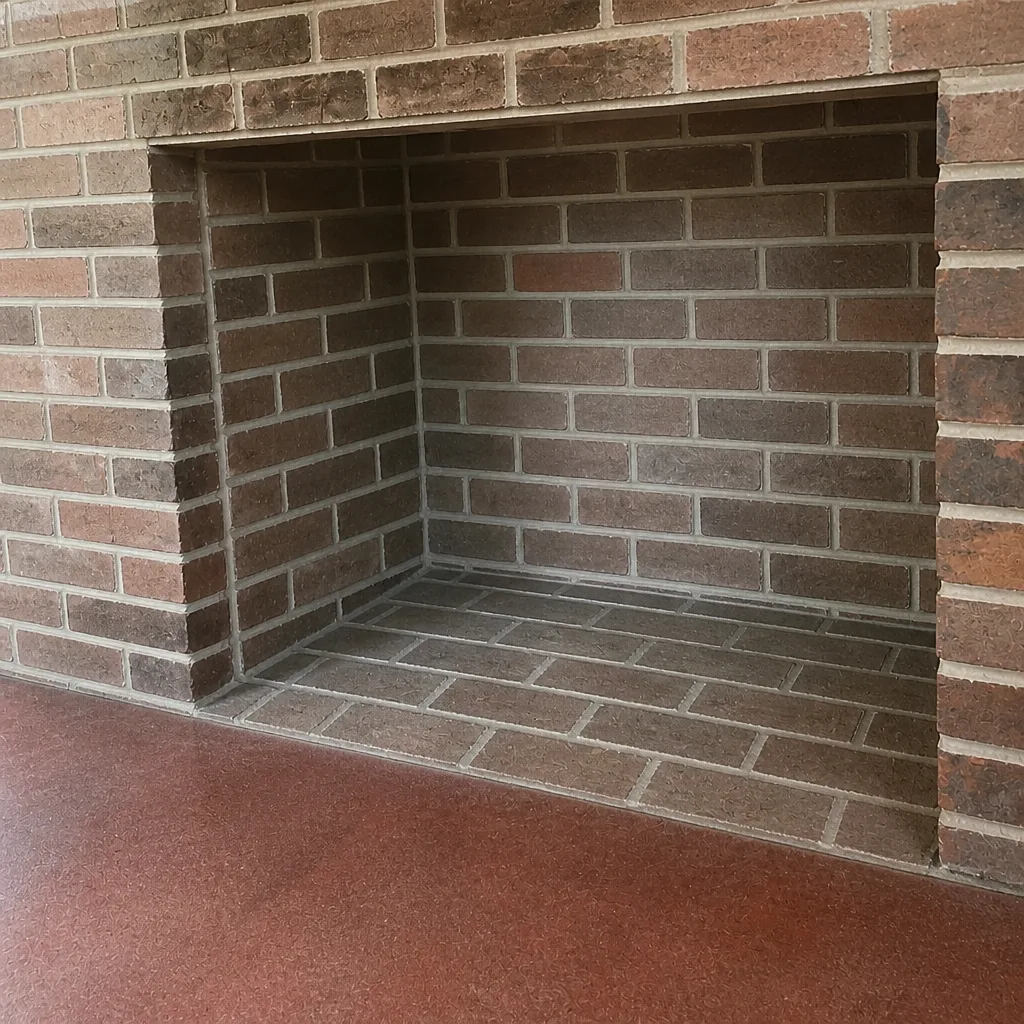 After
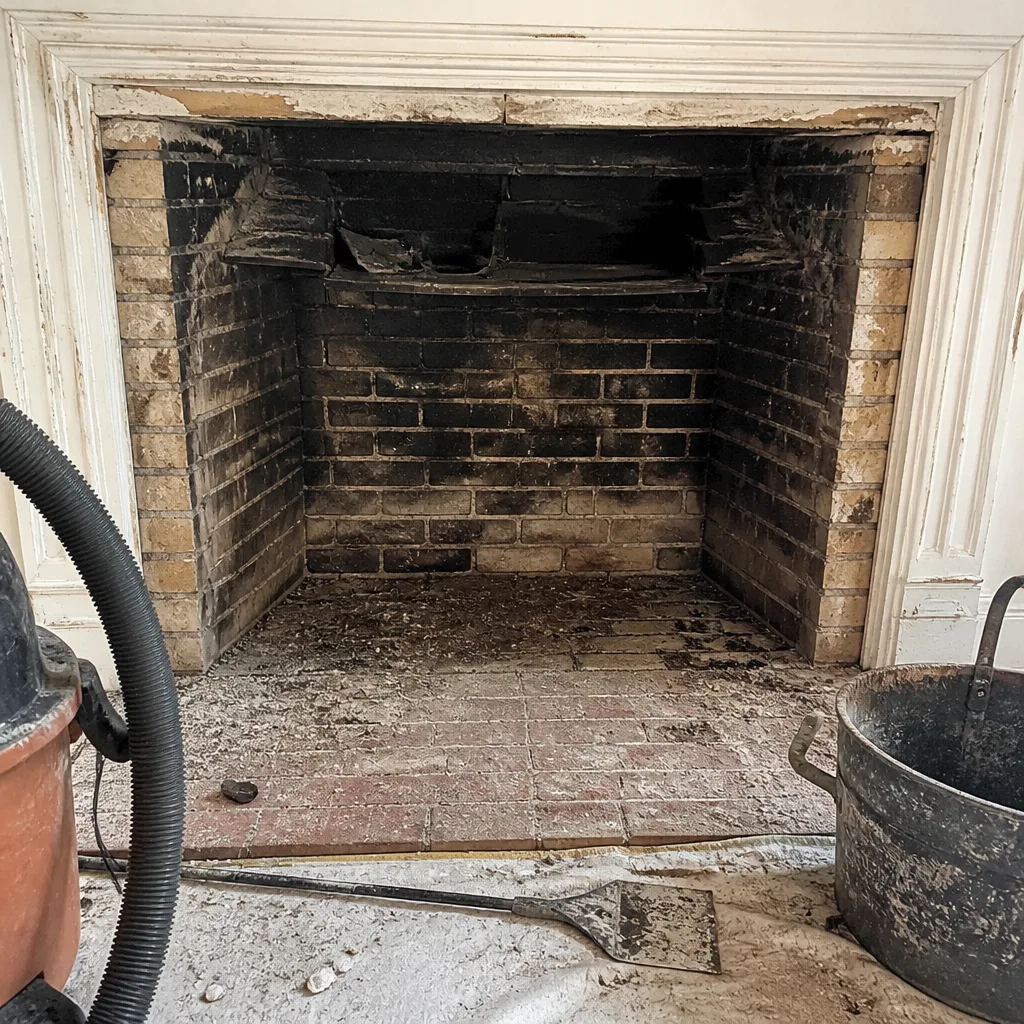 Before
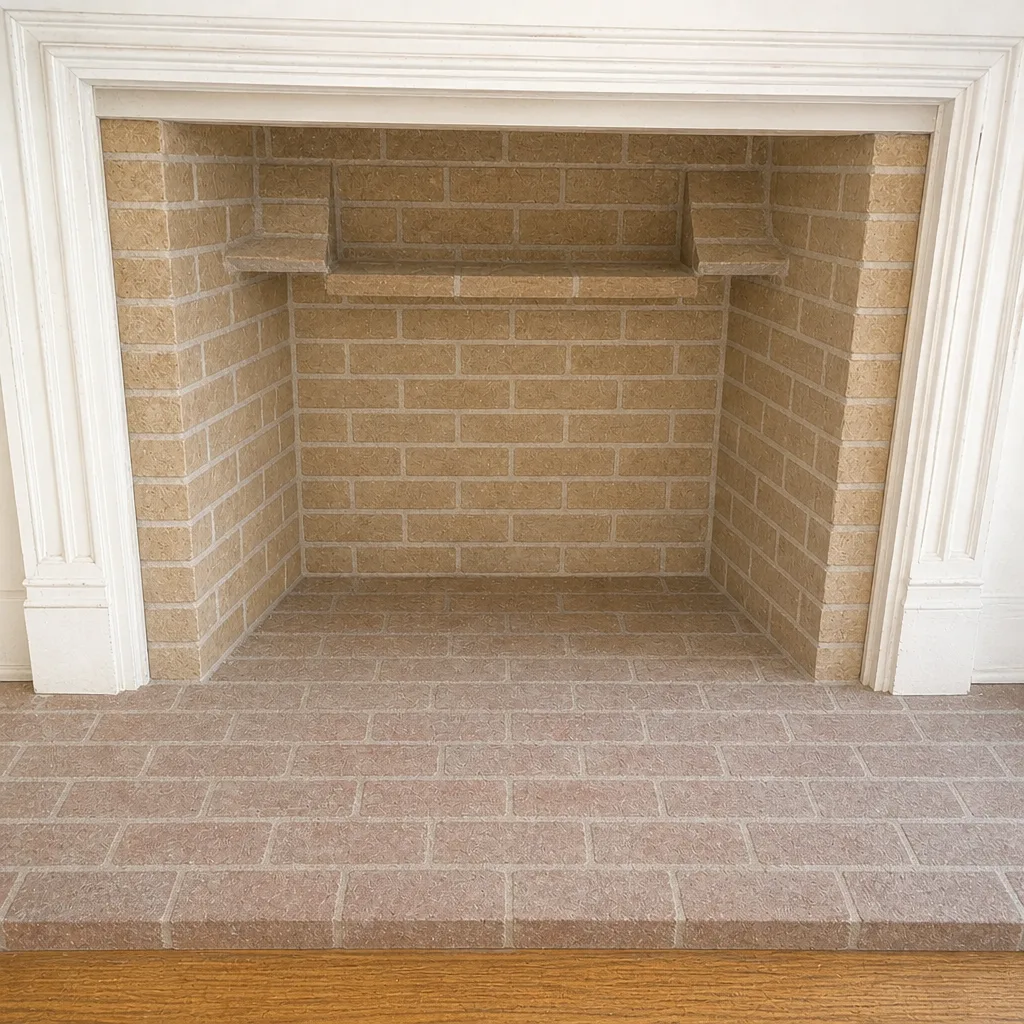 After
When to Call a Professional
Call a chimney professional if you’re seeing any of the following: smoke spilling into the room when you light a fire, a strong creosote smell in the house even when the fireplace is cold, a flue that hasn’t been inspected in more than a year of regular use, a visible crack in the firebox bricks, water staining around the chimney or crown, or a chimney cap that’s missing, dented, or rusted through. Call before the first fire of the season, not after. A sweep before the heating season is a maintenance visit; a sweep after a problem has developed is a repair. For any of these, Chimney Sweep Albany offers free estimates in Albany. Call (866) 650-9028. We answer 24/7. Fast dispatch from 7am to 7pm, Sunday through Friday.
Frequently Asked Questions
The four to look for are HeatShield for firebox and flue restoration, DuraFlex for flexible liner systems, Olympia Chimney for liner and venting components, and Famco or Copperfield for caps, dampers, and venting hardware. These are professional-grade products with published specs and third-party listings. Call (866) 650-9028 for an exact quote – estimates are free.
No, a consumer sweep log alone cannot clean a chimney. It can make light creosote flake off the flue wall, but it does not address glazed creosote, does not reach the smoke chamber, and does not replace a mechanical sweep. A proper cleanout in Albany starts with a camera inspection and a brush matched to your flue. Call (866) 650-9028 for an exact quote – estimates are free.
Sweep once a year if you burn wood regularly, and inspect once a year regardless. Albany’s long heating season means most wood-burning households run their fireplaces heavily from October into April, and that volume of use produces creosote quickly. Homes on gas inserts still need an annual inspection for venting and cap condition, even though creosote isn’t the concern.
You need a HeatShield resurfacing or a DuraFlex liner only if the inspection shows a problem that a patch can’t fix. A heat-cracked firebox with sound surrounding brick may be restorable with HeatShield. A flue with broken clay tile or offset geometry needs a flexible liner. Your contractor should show you the camera footage and explain the difference before quoting either. Call (866) 650-9028 for an exact quote – estimates are free.
Creosote builds up on the flue wall with each fire. Light soot and flake are manageable. Glazed creosote, the hardened Stage 3 form, is what creates a chimney fire risk because it burns hot when it ignites. A chimney fire can crack the flue, let heat reach the surrounding structure, and push combustion gases where they shouldn’t go. Skipping a sweep doesn’t produce an emergency tomorrow, but it incrementally reduces the margin of safety with each season. Call (866) 650-9028 for an exact quote – estimates are free.
Ask for the manufacturer name, the submittal sheet, and the UL listing number in the written scope. Professional brands publish all three, and a contractor who uses them can produce them quickly. If the answer is vague, the product probably is too. If you’d like a second opinion on what your contractor proposed, call (866) 650-9028. We answer 24/7. A call outside dispatch hours is booked into the next opening, Sunday through Friday, 7am to 7pm.
The Bottom Line
Brand selection is not a marketing flourish. It’s a diagnostic tool. The contractor who knows what goes into your flue, can name why, and can hand you the spec sheet is a contractor who has thought about the job harder than the others. HeatShield for flue and firebox resurfacing, DuraFlex for flexible liner systems, Olympia Chimney for liners and venting, Famco and Copperfield for caps and dampers: those names are a starting point, not a checklist. Ask the four questions, verify the listings, and watch the camera inspection before you approve any work. The answer to “which brand does my contractor use” is the answer to “how good is this contractor.” For homeowners in Albany, that’s the question worth asking first.
Chimney Sweep Albany handles sweeping, repair, and inspection with the professional brands that hold up to verification. If you’d like a free estimate, call (866) 650-9028. We answer 24/7. Fast dispatch from 7am to 7pm, Sunday through Friday.
Written by the team at Chimney Sweep Albany.